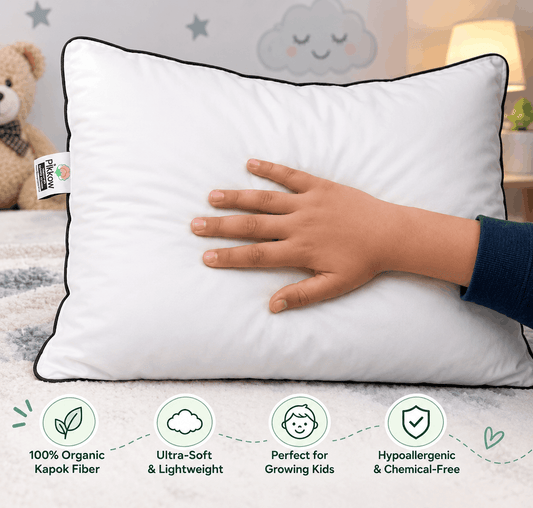

Finding the best organic cotton pillow today isn’t just about softness or aesthetics, it’s about safety, breathability, and long-term health. As more people become conscious of what they bring into their homes, pillows filled or covered with organic cotton are gaining attention for the right reasons. But not every pillow labeled “cotton” or “organic” truly meets the standards of safe, healthy sleep.
This guide breaks down what genuinely makes an organic cotton pillow worth buying, how to identify authentic materials, and why cotton remains one of the most trusted natural choices for daily sleep comfort.
What Is an Organic Cotton Pillow, Really?
An organic cotton pillow is made using cotton grown without synthetic pesticides, harmful fertilizers, or genetically modified seeds. When processed responsibly, it becomes a chemical free cotton pillow that is gentle on skin and safer for long-term use.
However, many pillows marketed as “cotton” use blended or conventionally grown cotton treated with chemicals. The difference lies in certification, sourcing, and transparency. A truly natural cotton pillow prioritizes purity from farm to fabric.
Why Organic Cotton Is Considered Safer for Sleep
Sleep is when your body repairs itself, and your pillow stays in close contact with your face for hours. Conventional pillows may contain residues from dyes, bleaches, or synthetic treatments that can irritate skin or airways.
In contrast, organic cotton pillow benefits include reduced exposure to toxins and a lower risk of skin irritation. This makes organic cotton especially suitable as a pillow for sensitive skin and for people prone to allergies or discomfort.
Breathability: A Key Reason Cotton Pillows Stand Out
One of cotton’s biggest strengths is breathability. The natural fiber structure allows air to circulate, helping regulate temperature throughout the night. A breathable cotton pillow prevents heat buildup and supports sweat evaporation.
This is why cotton is often recommended as a pillow for hot sleepers. Instead of trapping heat like synthetic materials, cotton helps maintain a cooler, drier sleep surface—ideal for warm climates or people who tend to sweat during sleep.
Understanding GOTS Certification
When searching for the best organic cotton pillow, certification matters. GOTS certified cotton (Global Organic Textile Standard) ensures that the cotton is organic and processed responsibly, with strict controls on chemicals, dyes, and labor practices.
A pillow made with GOTS certified cotton offers assurance that it meets international standards for organic bedding products. Without certification, “organic” claims can be misleading.
Hypoallergenic and Skin-Friendly Properties
Organic cotton is naturally hypoallergenic. It doesn’t encourage dust mites as easily as some synthetic fillings and is free from harsh chemical residues. This makes it a strong choice as a hypoallergenic cotton pillow, especially for people with asthma or sensitive skin.
Parents often prefer cotton pillows as safe pillows for kids because of their gentle nature and easy maintenance.
Cotton Pillow vs Polyester: A Clear Difference
Comparing a cotton pillow vs polyester pillow reveals why many people switch to natural options. Polyester pillows are plastic-based and tend to trap heat and moisture. They may also release microfibers over time.
Cotton, on the other hand, is breathable, biodegradable, and more comfortable for prolonged use. A cotton pillow for daily use feels fresher and adapts better to changing sleep positions without the chemical concerns associated with synthetics.
Comfort Level and Durability
Cotton pillows offer a medium, adaptable comfort level. They are neither too rigid nor overly plush, making them suitable for various sleeping styles. With proper care, cotton pillow durability can be impressive, especially when compared to synthetic alternatives that flatten quickly.
Regular fluffing and airing help maintain loft, while cotton covers remain strong and soft even after multiple washes.
Midway Note: How Pikkow Approaches Natural Sleep
As conversations around natural sleep hygiene grow, brands like Pikkow take a thoughtful approach to materials. While Pikkow is best known for kapok-based pillows, the same philosophy applies—prioritizing breathable, chemical-free fabrics such as organic cotton for pillow covers and sleep accessories.
This balance between natural fillings and organic fabrics reflects a broader commitment to building a healthy sleep environment without unnecessary additives.
Organic Cotton and Sustainable Living
Organic cotton supports sustainable cotton farming, using less water and avoiding harmful chemicals that damage soil and ecosystems. Choosing eco friendly cotton products contributes to a cleaner environment and supports ethical agricultural practices.
For consumers focused on toxin free bedding and organic home products, organic cotton pillows align well with sustainable living goals.
Maintenance and Hygiene Made Simple
Caring for an organic cotton pillow is straightforward. Most cotton pillow covers can be washed regularly, helping maintain cleanliness and freshness. This ease of care supports good natural sleep hygiene.
Unlike some synthetic pillows that degrade with washing, cotton remains stable and soft when cared for properly, making it a practical long-term investment.
Is an Organic Cotton Pillow Worth Buying?
For people seeking a healthier sleep environment, the answer is yes. The best organic cotton pillow offers breathability, safety, and comfort without exposing sleepers to unnecessary chemicals.
It’s especially valuable for families, hot sleepers, and anyone prioritizing skin health and indoor air quality. While organic options may cost more upfront, their durability and health benefits often outweigh the initial price difference.
Conclusion: Choosing the Right Cotton Pillow for Better Sleep
A pillow plays a quiet but powerful role in sleep quality. Choosing the best organic cotton pillow means choosing breathability, safety, and peace of mind. From GOTS certified cotton to hypoallergenic properties, organic cotton pillows support a healthier, more comfortable sleep experience.
At Pikkow, the focus on natural materials—whether kapok fillings or organic cotton fabrics—reflects a belief that good sleep starts with honest, breathable, and chemical-free choices. When you invest in a truly organic cotton pillow, you invest in better rest and long-term well-being.
FAQs
1. What makes an organic cotton pillow different from a regular cotton pillow?
Organic cotton is grown without pesticides and processed without harsh chemicals, making it safer for skin and sleep.
2. Is organic cotton good for hot sleepers?
Yes, its breathability helps regulate temperature and reduce sweating during sleep.
3. How can I tell if a cotton pillow is truly organic?
Look for certifications like GOTS and clear information about materials and processing.
4. Are organic cotton pillows safe for children?
Yes, they are often preferred as safe pillows for kids due to their chemical-free nature.
5. How long does an organic cotton pillow last?
With proper care, organic cotton pillows can last several years while maintaining comfort and hygiene.
Also Read :
Signs It’s Time to Replace Your Pillow (And Why Organic Is Better)
Top Health Benefits of Sleeping on a Kapok Pillow
From Farm to Bedroom: Journey of an Organic Pillow
What Is the Best Filling for Pillows? Science-Backed Guide to Healthy Sleep
Grandparents Were Right: Why Semal Cotton Pillows Still Win