
A comfortable night’s sleep starts with choosing the right pillow. The Best Organic Pillow can provide a balance of comfort, breathability, and natural support while helping you move away from unnecessary synthetic materials. As more people become conscious of what they bring into their bedrooms, natural and eco-friendly bedding is becoming an increasingly popular choice in India.
Unlike conventional pillows that may use synthetic fibres, artificial treatments, or petroleum-based materials, organic pillows can be made with naturally derived fillings and breathable fabrics. From soft cotton to lightweight kapok, different materials offer different levels of comfort and support.
For shoppers looking for a pillow organic in materials and construction, it is important to look beyond the word “organic” and understand the filling, cover fabric, certifications, firmness, and care requirements.
Pikkow focuses on naturally inspired sleep solutions, including its range of Organic kapok pillow options designed for people who value soft, lightweight, and comfortable bedding.
In this guide, we’ll explore how to choose the Best Organic Pillow, the different types of organic pillow filling, the benefits of natural fibre pillows, and what to consider before making your choice.
What Makes an Organic Pillow Different?
An organic pillow is generally designed using natural or organically sourced materials instead of relying primarily on synthetic fillings. However, not every product marketed as “natural” or “organic” is made in exactly the same way.
When choosing an organic pillow, look at:
- The type of filling
- The fabric used for the cover
- Organic or sustainability certifications
- Breathability
- Firmness and loft
- Manufacturing practices
- Care and durability
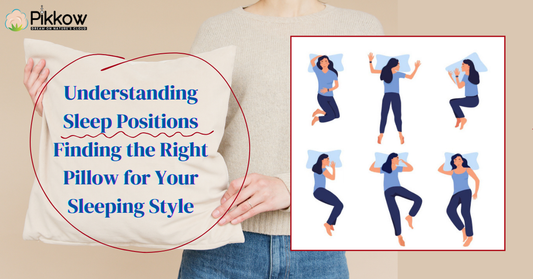
A good pillow should also match your sleeping position. Natural materials can offer excellent comfort, but the right choice depends on how you sleep and the type of support you prefer.
Why Choose a Natural and Eco-Friendly Pillow?
Choosing natural bedding is not only about comfort. Many shoppers are also considering sustainability, material transparency, and the overall feel of their sleeping environment.
Natural Materials
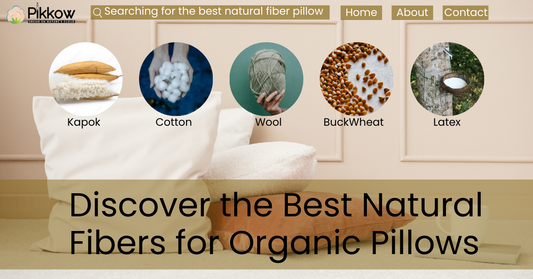
Natural fillings such as kapok, cotton, wool, and latex offer alternatives to conventional synthetic fibres. Each material has its own characteristics, so understanding the filling is essential before buying.
Breathable Comfort
Many natural materials allow better airflow than dense synthetic fillings. This can be particularly useful for people who tend to feel warm while sleeping.
Eco-Conscious Choice
Naturally sourced and renewable materials can be a more environmentally conscious option when responsibly produced and processed.
Comfortable Everyday Support
The right natural filling can provide a comfortable balance of softness and support. However, firmness should always be selected according to your sleeping position and personal preference.
Reduced Reliance on Synthetic Materials
For people trying to create a more natural bedroom, an organic pillow can be one part of a broader shift toward natural bedding.
Understanding Organic Pillow Filling
The organic pillow filling plays a major role in determining how a pillow feels and performs. Different fillings provide different levels of softness, firmness, resilience, and breathability.

Organic Kapok Pillow
Kapok is a natural plant fiber obtained from the seed pods of the kapok tree. It is lightweight, soft, and naturally fluffy, making it an appealing choice for people who enjoy a plush pillow.
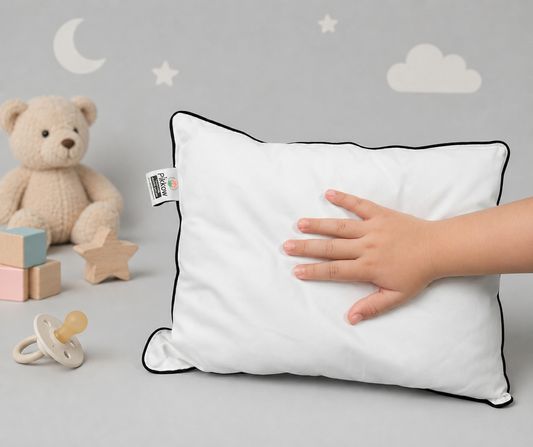
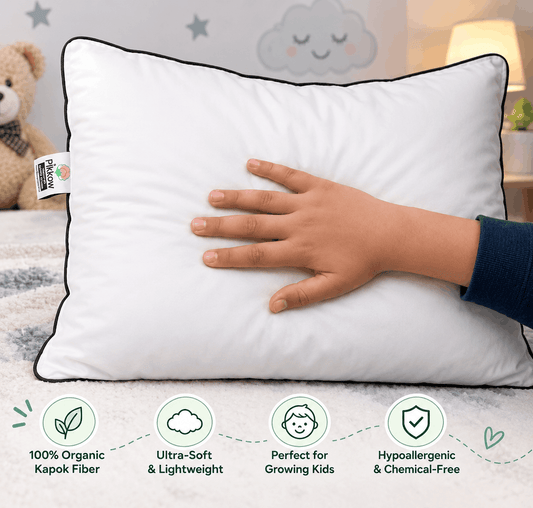
An Organic kapok pillow can provide a soft and comfortable sleeping experience while offering a plant-based alternative to traditional feather or synthetic fillings.
Pikkow specializes in kapok-based pillows, making kapok an important part of its natural sleep collection.
Best suited for:
- People who prefer soft comfort
- Lightweight pillow preferences
- Plant-based bedding enthusiasts
- Warm sleepers seeking breathable materials
Organic Cotton Pillow
Cotton is a familiar natural fibre known for its softness and breathability. Organic cotton pillows can be a practical choice for people who prefer a more traditional natural filling.
Best suited for:
- Everyday sleeping
- People who prefer natural fabrics
- Those looking for breathable bedding
Natural Latex Pillow
Natural latex is derived from rubber tree sap and is known for its resilience and supportive feel. Compared with softer fillings, latex generally provides more structured support.
Best suited for:
- People who prefer firmer support
- Back sleepers
- Those looking for a resilient pillow
Wool Pillow
Wool naturally helps regulate moisture and temperature. It can provide a comfortable option for people who prefer natural materials with temperature-regulating properties.
Best suited for:
- Temperature-conscious sleepers
- Natural bedding users
- Year-round use
Natural Fibre Pillows vs Synthetic Pillows
When comparing natural fibre pillows with synthetic alternatives, there are several factors worth considering.
|
Feature |
Natural Fibre Pillows |
Synthetic Pillows |
|
Material |
Plant or animal-derived fibres |
Man-made fibres |
|
Breathability |
Often naturally breathable |
Depends on construction |
|
Feel |
Varies by natural filling |
Usually more uniform |
|
Sustainability |
Can use renewable materials |
Often petroleum-based |
|
Options |
Kapok, cotton, wool and more |
Polyester, foam and blends |
|
Care |
Depends on filling |
Often easier to machine wash |
The better choice depends on your personal preferences, budget, sleeping position, and material priorities.
How to Choose the Best Organic Pillow
There is no single pillow that works perfectly for everyone. The Best Organic Pillow for you should provide the right combination of comfort, support, size, and material.
Consider Your Sleeping Position
Side sleepers: Usually benefit from a higher-loft pillow that fills the space between the head and mattress.
Back sleepers: Generally need medium support to help maintain a comfortable neck position.
Stomach sleepers: Often prefer a thinner and softer pillow to reduce excessive neck elevation.
Check the Filling
Always check what is inside the pillow. A product described as natural may still contain synthetic blends. Look for clear information about the filling and cover materials.
Consider Firmness
Soft, medium, and firm pillows provide different experiences. Your ideal firmness depends on your sleeping position and personal comfort.
Look at Breathability
If you tend to sleep warm, choose materials known for good airflow and moisture management.
Check Certifications
If organic claims are important to you, look for recognized certifications and clear information about the materials used.
Think About Maintenance
Before purchasing, check whether the cover is removable, how the pillow should be cleaned, and whether the filling requires special care.
Why Kapok Is a Popular Natural Pillow Filling
Kapok has gained attention among consumers searching for alternatives to conventional pillow materials.
The fibre is naturally lightweight and has a soft, silky texture. It can create a fluffy pillow without using traditional feather filling.
For those looking for a pillow organic in feel and material choice, kapok can be an attractive option because it combines lightweight comfort with a plant-based origin.
Pikkow uses kapok to create pillows designed around natural comfort and everyday sleep needs.
Is an Organic Pillow Worth It?
An organic pillow can be a worthwhile choice if you value natural materials, breathable comfort, and more conscious purchasing decisions.
The price can be higher than some conventional synthetic pillows because natural materials, responsible sourcing, and quality construction can increase production costs. However, the right pillow should be considered an investment in everyday comfort rather than simply compared by its initial price.
Instead of choosing a pillow only because it is labelled “organic,” consider the complete product: its filling, fabric, construction, certifications, comfort level, and expected lifespan.
Common Mistakes to Avoid When Buying an Organic Pillow
Choosing Only by Softness
A very soft pillow may feel comfortable initially but may not provide the support you need throughout the night.
Ignoring Your Sleeping Position
Your ideal pillow height and firmness depend greatly on whether you sleep on your side, back, or stomach.
Assuming “Natural” Means “Organic”
Natural and organic are not always interchangeable terms. Check the product details and certifications before buying.
Not Checking the Filling
The filling determines much of the pillow’s feel, support, and breathability. Always read the material information carefully.
Forgetting About Care
A pillow that requires special cleaning may not suit your lifestyle. Check the care instructions before purchasing.
How to Care for Your Organic Pillow
Proper care can help maintain the comfort and usability of your pillow.
- Use a breathable pillow protector.
- Wash or clean the cover according to instructions.
- Allow the pillow to air out regularly.
- Avoid exposing the filling to excess moisture.
- Follow the manufacturer's care recommendations.
- Fluff the pillow when appropriate for its filling.
For kapok pillows in particular, following the manufacturer's specific care instructions is important because natural fillings can require different handling from synthetic pillows.
Why Choose Pikkow for Natural Sleep Comfort?

Pikkow focuses on creating sleep products inspired by natural materials and comfortable everyday living. Its kapok pillow collection is designed for people who want a lightweight and naturally soft alternative to conventional pillow fillings.
For shoppers exploring an Organic kapok pillow, Pikkow offers a natural-material-focused approach that combines comfort with an eco-conscious perspective.
Whether you are replacing an old pillow or gradually creating a more natural bedroom, choosing the right material is an important first step.
Conclusion
The Best Organic Pillow is not simply the softest or most expensive option. It is the pillow that matches your sleeping position, comfort preference, support requirements, and material priorities.
Natural materials such as kapok, cotton, latex, and wool each offer different characteristics. Among them, kapok stands out for its lightweight, soft, and plant-based feel, making an Organic kapok pillow an appealing choice for many natural bedding shoppers.
If you are looking for a more natural approach to sleep, explore Pikkow's range of thoughtfully designed pillows and consider which filling and firmness best suit your everyday comfort.
FAQs
1. What is the Best Organic Pillow?
The best organic pillow depends on your sleeping position, preferred firmness, and filling preference. Kapok, cotton, latex, and wool are popular natural options.
2. What is the best organic pillow filling?
There is no single best filling for everyone. Kapok offers lightweight softness, latex provides structured support, and cotton offers familiar breathable comfort.
3. Is kapok good for pillows?
Yes. Kapok is a lightweight, soft, plant-based natural fibre that is commonly used as a pillow filling.
4. Are organic pillows eco-friendly?
They can be. Pillows made with renewable or naturally sourced materials can be a more eco-conscious choice, depending on sourcing and manufacturing practices.
5. How do I choose an organic pillow?
Consider your sleeping position, preferred firmness, filling material, breathability, certifications, size, and care requirements before buying.