
A good night’s sleep depends on more than just your mattress. The pillow you use plays a crucial role in maintaining proper posture and ensuring deep, uninterrupted rest. The best pillow for sleeping supports your head, neck, and spine in alignment, helping you wake up refreshed instead of stiff or tired.
In this detailed guide, you will learn how to choose a pillow, understand different materials, and discover the best pillow for good sleep based on your individual sleep style.
Why Choosing the Right Pillow Matters
A pillow is not just a comfort accessory; it directly impacts your spinal alignment and sleep quality. Using the wrong pillow can strain your neck muscles, cause shoulder pain, and even lead to chronic discomfort over time. When your pillow does not properly support your head, your spine falls out of alignment, which disrupts restful sleep.
On the other hand, the best pillow for comfort promotes natural posture, reduces pressure points, and helps your body fully relax during sleep. This is why investing in the right pillow is essential for long-term health and well-being.
How to Choose a Pillow
Understanding how to choose a pillow involves considering several important factors such as your sleeping position, preferred material, and comfort level. Each of these elements plays a role in determining the right pillow for your needs.
Sleeping Position and Its Importance
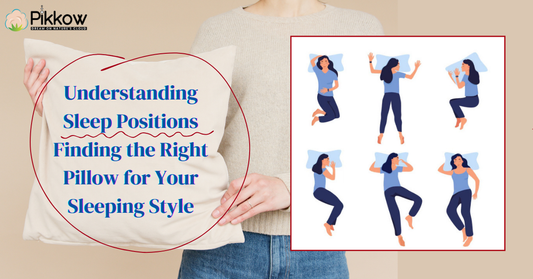
Your sleeping position plays a vital role in determining the right pillow for sleeping position. Each posture requires a different level of support and pillow height to keep your spine properly aligned. Choosing a pillow that matches your sleeping style helps reduce pressure on the neck and shoulders while improving overall sleep quality.
- Back Sleepers – Medium-loft pillow supports the neck and keeps the spine aligned.
- Side Sleepers – Firm, thick pillow fills the shoulder gap for better alignment.
- Stomach Sleepers – Soft, low pillow prevents neck strain and discomfort.

Understanding Pillow Materials
The material of your pillow plays a key role in determining comfort, support, and breathability. Choosing the right one helps you find the best pillow for good sleep based on your needs.
- Memory Foam – Contours to the head and neck, providing excellent support and relieving pain.
- Down & Feather – Soft, lightweight, and luxurious, but offers less firm support.
- Latex – Durable, supportive, and naturally resistant to dust mites, ideal for allergy sufferers.
- Organic Pillow – Made from natural materials, eco-friendly, breathable, and safe for sensitive skin..
Natural Pillow Filling Options
Natural fillings have become increasingly popular among people looking for sustainable and chemical-free sleep products. These materials not only provide comfort but also promote a healthier sleep environment.
Kapok Pillow Benefits
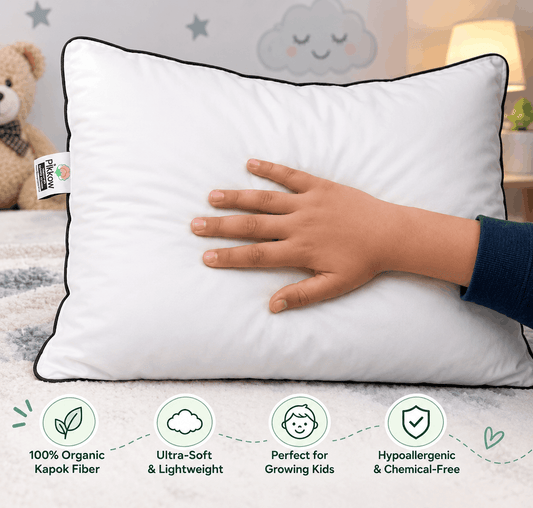
Kapok is a natural, plant-based fiber known for its softness, lightweight feel, and eco-friendly properties. It offers a comfortable yet supportive sleeping experience, making it a great choice for those seeking a natural pillow filling.
- Soft and Lightweight – Provides a fluffy, down-like feel while maintaining gentle support.
- Hypoallergenic – Naturally resistant to dust mites and mold, ideal for allergy sufferers.
- Eco-Friendly – Sustainably harvested and biodegradable, making it an environmentally safe option.
- Breathable Comfort – Allows good airflow, helping you stay cool during sleep.

Other natural pillow filling options include cotton for softness, wool for temperature control, and buckwheat for firm support and airflow.
Pillow Buying Guide: What to Look For
A proper pillow buying guide helps you understand the key factors that influence comfort, support, and long-term usability. Choosing the right pillow ensures better sleep quality and proper spinal alignment.
- Loft (Height) – Refers to the thickness of the pillow. The right loft keeps your head and neck aligned with your spine based on your sleeping position.
- Firmness – Indicates how soft or hard the pillow feels. It affects the level of support and comfort you experience during sleep.
- Breathability – Describes how well air flows through the pillow, helping regulate temperature and prevent overheating at night.
- Durability – Represents how well the pillow maintains its shape and support over time, ensuring long-lasting comfort and value.
Best Pillow for Good Sleep Based on Individual Needs
Different individuals have different sleep concerns, and choosing the right pillow can help address specific issues.
For people with neck pain, supportive materials like memory foam or latex are ideal because they maintain proper alignment and reduce pressure on the neck.
Hot sleepers benefit from breathable materials such as cotton, latex, or gel-infused foam. These materials help regulate temperature and keep the sleeper cool.
Those with allergies should consider hypoallergenic options like latex or organic pillows. These materials resist allergens and create a healthier sleep environment.
Best Pillow for Comfort: What Makes a Difference
Comfort is subjective, but certain features contribute to making a pillow universally comfortable. A good pillow should balance softness and support, allowing your head to rest comfortably while maintaining alignment.
Temperature regulation also plays a role in comfort. A pillow that stays cool throughout the night can significantly improve sleep quality. Additionally, the fabric cover should be gentle on the skin and easy to maintain.
A pillow that meets these criteria can greatly enhance your overall sleep experience and help you wake up feeling refreshed.
Common Mistakes to Avoid When Choosing a Pillow
Choosing the wrong pillow can negatively affect your sleep quality and overall comfort. Avoiding common mistakes helps you find a pillow that truly supports your needs.
- Ignoring Sleeping Position – Selecting a pillow without considering your sleep style can lead to poor spinal alignment and discomfort.
- Focusing on Appearance Over Support – Stylish or decorative pillows may look attractive but often lack the proper support required for restful sleep.

How Often Should You Replace Your Pillow?
Even the best pillow for sleeping has a limited lifespan. Over time, pillows lose their shape, support, and hygiene. Using an old pillow can negatively impact your sleep quality and health.
It is generally recommended to replace your pillow every one to two years. If your pillow becomes lumpy, flat, or uncomfortable, it is a clear sign that it needs to be replaced.
Tips to Maintain Your Pillow
Proper care helps extend the life of your pillow while keeping it clean, fresh, and supportive for better sleep.
- Regular Cleaning – Washing your pillow and its cover removes dust, sweat, and allergens, keeping it hygienic.
- Use a Pillow Protector – A protective cover prevents stains and increases the durability of your pillow.
- Air It Out – Letting your pillow breathe occasionally helps eliminate moisture and odors.
- Follow Care Instructions – Always follow the manufacturer’s guidelines to maintain shape and comfort over time.
Conclusion
Finding the best pillow for sleeping is essential for achieving quality rest and maintaining overall health. The right pillow supports your neck and spine, improves posture, and enhances sleep quality.
By understanding how to choose a pillow, considering your sleeping position, and selecting the right material, you can find the perfect match for your needs. Whether you prefer memory foam, latex, or an organic pillow for sleeping, each option offers unique benefits.
Natural materials like kapok provide eco-friendly comfort, while modern materials deliver advanced support. With the help of this pillow buying guide, you can confidently choose the best pillow for comfort and enjoy a restful night’s sleep every day.
FAQs
1. What is the best pillow for sleeping?
The best pillow for sleeping depends on your individual needs, including your sleeping position and comfort preferences. A pillow that provides proper neck support and maintains spinal alignment is considered ideal for most people.
2. How do I choose a pillow for my sleeping position?
To choose the right pillow, you need to consider how you sleep. Back sleepers should use a medium-height pillow, side sleepers require a thicker and firmer option, and stomach sleepers benefit from a soft and low-profile pillow to reduce neck strain.
3. Are organic pillows better for sleep?
Organic pillows are a great option for those who prefer natural and chemical-free products. They are breathable, eco-friendly, and suitable for sensitive skin, making them a healthy choice for better sleep.
4. What are the benefits of kapok pillows?
Kapok pillows are known for their softness, lightweight feel, and hypoallergenic properties. They are also eco-friendly and provide a comfortable sleeping experience while being safe for people with allergies.
5. How often should I replace my pillow?
It is recommended to replace your pillow every one to two years. Over time, pillows lose their shape and support, which can negatively affect your sleep quality and overall comfort.