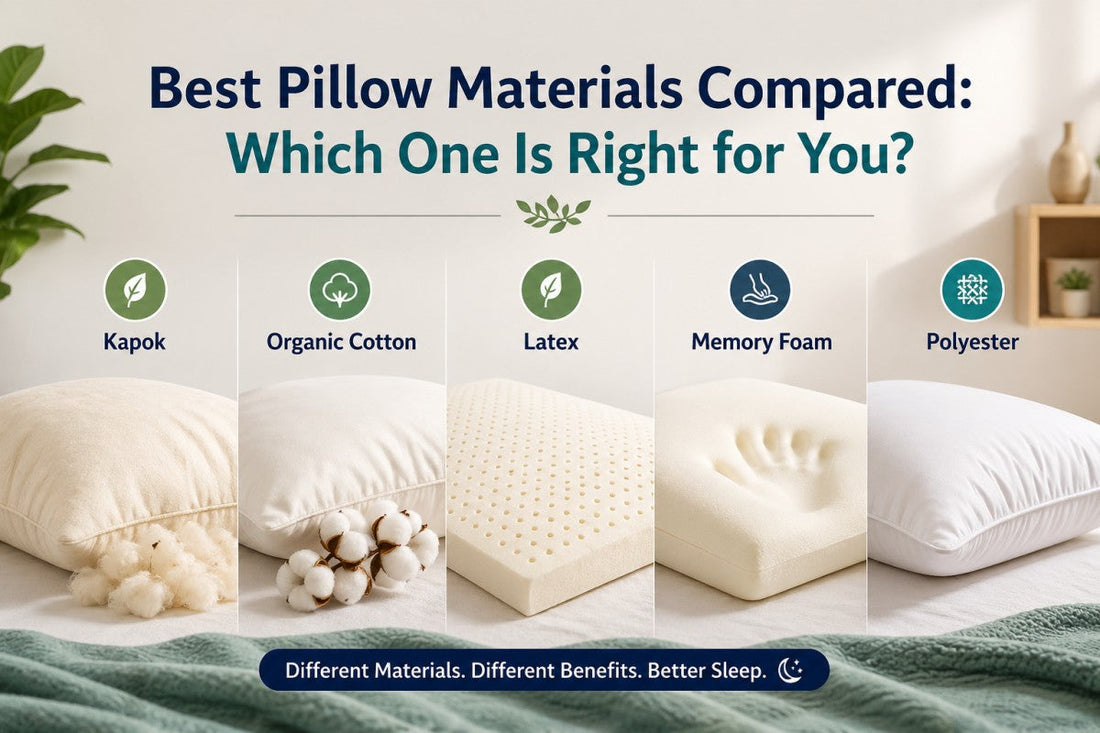
People often spend hours choosing the right mattress, bedsheet, or blanket, but when it comes to pillows, they simply buy whatever feels soft in the store. Unfortunately, softness alone does not guarantee restful sleep. The inside filling of a pillow directly affects neck alignment, shoulder pressure, body temperature, breathability, allergy response, and even long-term spine comfort.
A pillow can either help your body recover overnight or quietly create stiffness every morning. This is why understanding different pillow fillings has become essential for smart buyers who want both comfort and health support.
When people search for the Best Pillow Materials, they are usually not just searching for softness — they are searching for better sleep, fewer headaches, reduced neck pain, and a product that lasts.
Understanding the Main Types of Pillow Fillings Available Today
The market is filled with countless options, but almost every pillow falls under two larger categories: natural fillings and synthetic fillings. This natural vs synthetic pillow debate has become increasingly important because each offers a very different sleep experience.
Natural pillows are usually made from plant or animal-derived fibers. They are loved for breathability, eco-friendliness, and softness. Synthetic pillows, on the other hand, are factory-made and often designed for affordability, shape retention, and easy maintenance.
Within these two categories, several specialized materials stand out, each with their own advantages.
Kapok: The Cloud-Like Plant Fiber Changing Sleep Comfort
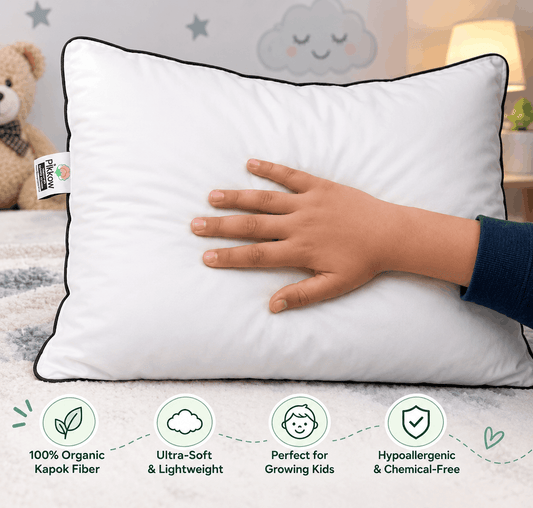
One of the most talked-about natural fillings today is Kapok material. Kapok comes from the seed pods of tropical trees and has an incredibly silky, airy texture. Many sleepers compare it to the softness of down but appreciate that it is completely plant-based.
Kapok pillows feel plush without becoming overly dense. They allow air to pass easily, which means they stay cooler during sleep. This makes them excellent for people who sweat at night or dislike heavy pillows.
Another reason kapok is gaining popularity is its sustainable profile. It is harvested without cutting trees, making it an environmentally conscious alternative for modern buyers.
Still, because kapok is lightweight, some users who prefer very firm support may find it too fluffy unless blended with latex or cotton.

The Rise of the Organic Pillow in Healthy Homes
Sleep products are no longer judged only by comfort. Today, people are equally concerned about chemicals, toxins, and skin sensitivity. This is why the Organic pillow has become a preferred option for health-conscious households.
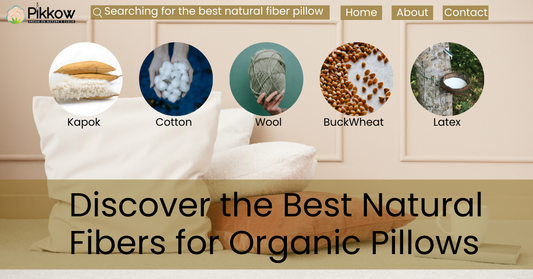
Organic pillows are generally filled with untreated cotton, wool, natural latex, kapok, or other eco-certified fibers. Since these materials avoid synthetic chemicals, flame retardants, and harsh processing, they tend to feel gentler on sensitive skin and respiratory systems.
An organic pillow also tends to have better moisture control because natural fibers breathe more efficiently. This reduces trapped heat and humidity, creating a fresher sleep surface.
People who suffer from allergies, skin irritation, or frequent overheating often notice a major difference after switching to cleaner sleep materials.
Natural Fillings vs Synthetic Fillings: Which Feels Better?
The conversation around Natural vs synthetic pillow options usually comes down to three things: comfort, maintenance, and budget.
Natural fillings feel more breathable, adaptive, and luxurious. They often mold softly around the head and neck rather than resisting pressure. Synthetic materials are usually cheaper and easier to wash, but many can trap heat or flatten over time.
Natural pillows are also quieter and softer in feel, while synthetic pillows sometimes have a springy or artificial bounce that not every sleeper enjoys.
However, synthetic pillows do offer decent affordability for guest rooms, temporary use, or budget-conscious shoppers. The real choice depends on whether the buyer prioritizes long-term sleep quality or immediate low cost.
Quick Comparison Table of Popular Pillow Fillings
|
Pillow Filling |
Comfort Level |
Breathability |
Neck Support |
Durability |
Eco-Friendly |
Ideal For |
|
Kapok |
Very Soft |
Excellent |
Medium |
Good |
High |
Hot sleepers |
|
Organic Cotton |
Soft-Medium |
High |
Medium |
Medium |
High |
Sensitive skin |
|
Latex |
Firm-Supportive |
High |
Excellent |
Excellent |
High |
Neck pain |
|
Memory Foam |
Contouring |
Medium |
Excellent |
Good |
Low |
Pressure relief |
|
Polyester Fiber |
Medium |
Low |
Basic |
Medium |
Low |
Budget buyers |

What Actually Makes the Best Pillow Filling Material?
There is no universal answer because sleeping habits differ from person to person. Still, certain features define what can be called the Best pillow filling material.
A good filling should hold the head at a natural angle, avoid sinking too deeply, release heat, and stay consistent night after night. Cheap fillings often feel nice for a week and then collapse, which destroys neck support.
The best materials usually balance softness with resistance. They should gently cradle the head but still push back enough to keep the cervical spine aligned.
The strongest pillow fillings today are:
- natural latex for orthopedic support
- kapok blends for softness and airflow
- organic cotton for chemical-free comfort
These materials continue performing longer than low-density synthetic fibers.
Pillow Material Comparison Based on Real Sleep Needs
A proper Pillow material comparison should not focus only on feel. It should focus on how each material performs in daily sleep life.
Memory foam, for example, supports pressure points well but can feel warmer. Polyester is affordable but usually loses shape faster. Latex stays resilient and springy for years. Kapok remains airy and light. Cotton feels fresh and soft but may compress sooner than latex.
What surprises many buyers is that the “best” pillow in a showroom often becomes the wrong pillow after 30 nights because home sleeping conditions reveal issues like heat buildup, flattening, or poor neck angle.
This is why choosing by appearance or touch alone is never enough.
Performance Chart: Sleep Factors by Material Type
|
Material |
Cooling Score /10 |
Softness /10 |
Support /10 |
Longevity /10 |
|
Kapok |
9 |
9 |
6 |
7 |
|
Organic Cotton |
8 |
7 |
6 |
6 |
|
Latex |
8 |
6 |
9 |
9 |
|
Memory Foam |
5 |
8 |
9 |
7 |
|
Polyester |
4 |
6 |
4 |
5 |
Choosing the Right Material for Neck and Shoulder Relief
For sleepers who wake up with stiffness, the inside filling becomes even more critical. The Best pillow material for neck pain is usually one that keeps the neck from dropping too low or twisting unnaturally.
Latex and supportive memory foam perform very well here because they maintain shape under weight. Unlike loose fibers that flatten quickly, these materials continue lifting the neck through the night.
Kapok can also work if it is densely packed, but ultra-soft low-fill pillows may not provide enough cervical support for side sleepers.
A pillow that is too high causes shoulder tension. A pillow that is too flat causes neck collapse. The right filling creates a neutral middle line where the spine remains straight without effort.
That support difference is often what separates waking up refreshed from waking up with a dull headache.

How Sleep Position Changes the Material You Should Buy
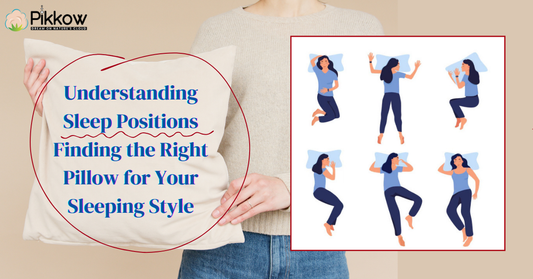
Many people ignore the fact that back sleepers, side sleepers, and stomach sleepers all need different internal structures.
- Side sleepers generally need firmer and higher loft materials like latex or dense memory foam.
- Back sleepers often do well with medium loft kapok or cotton blends.
- Stomach sleepers usually need thinner and softer fillings to avoid neck overextension.
This means even the highest-rated pillow can feel wrong if the filling does not match body posture. The smartest purchase always starts with sleep position before softness preference.
Durability: Why Cheap Pillows Cost More Over Time
One major buying mistake is focusing only on upfront price. Low-cost polyester pillows often flatten within months, meaning they require frequent replacement. This turns “cheap” into expensive over time.
Higher quality natural or engineered fillings may cost more initially, but they maintain shape, airflow, and support much longer. Buyers often report using latex or premium kapok pillows for years while replacing standard fiber pillows multiple times.
A pillow should be seen as a sleep investment rather than a decorative bedding accessory. Better sleep quality affects productivity, mood, posture, and physical recovery every day.
Final Thoughts: Which Pillow Should You Actually Choose?
There is no single perfect pillow for everyone, but there is definitely a perfect material for your body.
If you want eco-friendly softness and cooling comfort, kapok is impressive. If you want a cleaner sleep environment, an organic pillow is a wise upgrade. If neck support is your top concern, latex stands out as the strongest performer. If budget matters more than long-term durability, synthetic fiber can still serve basic needs.
The smartest buyers do not choose based on branding alone. They choose based on filling science, body support, and how that pillow behaves after months of use.
The right pillow is not just something your head rests on — it is something your spine depends on every single night.
FAQs
1. Which pillow filling lasts the longest?
Latex is widely considered one of the longest-lasting pillow fillings because it naturally springs back into shape after pressure. Unlike standard synthetic fibers that flatten quickly, latex maintains firmness, structure, and support for several years, making it a reliable long-term investment for daily sleepers.
2. Is kapok better than polyester pillow filling?
Kapok generally feels softer, cooler, and more breathable than polyester. It offers a more luxurious natural texture and better airflow during sleep. Polyester may be cheaper, but it often compresses faster and traps more heat, making kapok a more comfortable premium option overall.
3. Are organic pillows worth buying?
Organic pillows are worth buying for people concerned about chemicals, allergies, skin irritation, and environmental impact. They use cleaner natural fibers that improve breathability and reduce exposure to synthetic processing materials. Many users also find them fresher, softer, and healthier for regular long-term sleeping comfort.
4. What pillow material helps reduce neck pain?
Supportive materials like latex and high-quality memory foam are usually the best choices for reducing neck pain. These fillings hold the neck in proper alignment and prevent excessive sinking. Maintaining spinal neutrality overnight helps reduce morning stiffness, headaches, shoulder pressure, and recurring discomfort.
5. How do I know which pillow material suits me?
The best way is to match the pillow filling with your sleep position, body temperature, and firmness preference. Side sleepers need stronger support, hot sleepers need breathable fillings, and allergy-prone users benefit from organic materials. Comfort depends on how the pillow performs nightly, not store softness.