
The monsoon season in India brings much-needed rainfall and relief from extreme temperatures, but it also introduces a different problem: hot and humid weather. While the rains may cool the outdoors, the increased humidity often makes sleeping uncomfortable. One of the biggest reasons for this discomfort is excessive heat and moisture buildup in our bedding, especially our pillows.
Many people experience the frustration of waking up repeatedly during the night because their pillow feels warm, damp, or uncomfortable. This often leads to constantly flipping the pillow in search of a cooler side. Unfortunately, these interruptions can affect sleep quality, resulting in restless nights and tired mornings.
The good news is that your pillow can make a significant difference. Choosing the right pillow material can help improve airflow, reduce moisture retention, and create a cooler sleeping environment. If you're searching for the best pillows for humid weather, understanding which materials work well—and which ones to avoid—is the first step toward better sleep.
Is There a Solution?
Fortunately, there is.
Modern pillow manufacturers and natural bedding brands have developed materials specifically designed to improve airflow and reduce heat retention. Certain pillow fillings and fabrics naturally promote breathability, allowing excess body heat and moisture to escape rather than becoming trapped inside the pillow.
A cooling pillow for humid weather can help regulate temperature throughout the night, making it easier to fall asleep and stay asleep. The key is choosing materials that support airflow while resisting moisture buildup.
Before looking at the best options, it is important to understand why some pillows perform poorly in hot and humid conditions.
Why Do Pillows Feel Hot During Humid Weather?

Your body naturally releases heat while you sleep. At the same time, humidity in the air makes it more difficult for sweat to evaporate efficiently. When a pillow lacks breathability, this heat and moisture become trapped around your head and neck.
As a result, you may experience:
- Excessive sweating during sleep
- Frequent waking during the night
- Discomfort and overheating
- Damp pillow surfaces
- Reduced sleep quality
- Increased pillow odor over time
The wrong pillow can turn an already humid night into an uncomfortable experience. This is why selecting a breathable pillow for sleeping is particularly important during India's monsoon and summer seasons.
Fabrics to Avoid

Not all pillows are created equal. Some materials are far more likely to trap heat and moisture than others.
Polyester-Heavy Fabrics
Synthetic fibers trap heat inside, making them one of the primary materials to avoid during summer and monsoon months.
Polyester is commonly used because it is inexpensive and widely available. However, it tends to retain body heat rather than allowing it to escape. Many budget pillows use polyester filling that compresses over time, reducing airflow even further.
While polyester pillows may initially feel soft and comfortable, they often become warm quickly during prolonged use.
Why Avoid Them?
- Poor airflow
- Increased heat retention
- Can feel stuffy during humid weather
- May retain moisture longer than natural materials
If you tend to sleep hot, polyester-heavy pillows are unlikely to provide the cooling comfort you're looking for.
Velvet and Heavy Plush Materials
These materials may feel luxurious and soft, but they are notorious for retaining heat.
Velvet and plush fabrics are designed to create warmth and comfort, which makes them less suitable for India's hot and humid climate. While they may be appealing during winter, they can become uncomfortable during warmer months.
Many decorative pillows use these materials because of their premium appearance, but they are generally not ideal for everyday sleeping.
Why Avoid Them?
- Reduced breathability
- Increased heat buildup
- Can feel sticky during humid nights
- Less effective moisture management
High GSM Microfiber
Pillows made from high-GSM microfiber often feel exceptionally smooth and soft to the touch. However, softness does not always translate into cooling performance.
Many microfiber pillows have densely woven structures that restrict airflow. As a result, heat and moisture can accumulate throughout the night.
Why Avoid Them?
- Limited ventilation
- Higher heat retention
- Can contribute to night sweating
- Often less breathable than natural alternatives
What Makes a Good Pillow for Humid Weather?
When searching for the best pillow for summer in India, there are several qualities worth prioritizing.
Breathability
Airflow is one of the most important characteristics of a cooling pillow. The better the airflow, the easier it is for excess heat to escape.
Moisture Resistance
A good pillow should resist moisture accumulation and allow sweat to evaporate naturally.
Lightweight Construction
Heavy pillow fillings often retain more heat. Lightweight materials generally perform better in warm climates.
Durability
A quality pillow should maintain its shape and cooling properties over time.
Natural Materials
Natural fibers often outperform synthetic materials when it comes to temperature regulation and moisture management.
Suitable Fabrics and Fillings for Summer

Fortunately, there are several excellent pillow options available for people who struggle with heat and humidity.
Kapok Pillows
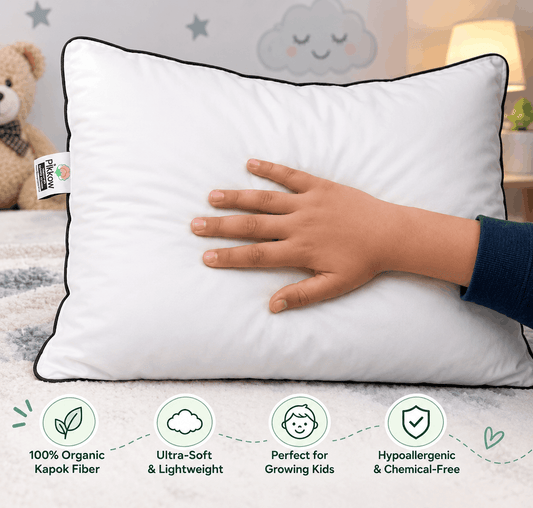
Kapok is a natural fiber harvested from the seed pods of the kapok tree. It is lightweight, breathable, and naturally moisture-resistant. The fibers create air pockets that allow heat to dissipate rather than becoming trapped inside the pillow.
This unique structure makes kapok one of the most effective natural materials for warm-weather sleeping.
Because kapok fibers are naturally lightweight, they provide a cloud-like feel while maintaining excellent airflow. Unlike many synthetic materials, kapok does not easily trap heat around the head and neck.
Benefits of Kapok Pillows
- Excellent airflow
- Naturally breathable
- Lightweight and comfortable
- Moisture-resistant properties
- Sustainable and eco-friendly
- Soft yet supportive feel
For those seeking an organic pillow for hot weather, kapok is often one of the best options available.
Many sleep experts consider kapok to be among the best pillows for humid weather because it combines comfort, sustainability, and cooling performance.
Latex Pillows
Natural latex pillows are highly breathable due to their open-cell structure and ventilation holes.
Unlike traditional foam pillows that often trap heat, latex allows air to circulate throughout the pillow. This helps reduce temperature buildup and improves overall comfort during humid nights.
Latex is also known for its durability. A high-quality latex pillow can maintain its shape and support for many years.
Benefits of Latex Pillows
- Excellent ventilation
- Good neck and head support
- Resistant to dust mites
- Naturally durable
- Maintains shape well
- Sleeps cooler than traditional memory foam
If you're looking for the best pillow for hot sleepers in India, latex deserves serious consideration.
Its combination of support and cooling properties makes it particularly popular among side and back sleepers.
Buckwheat Pillows
Filled with buckwheat hulls, these pillows allow air to circulate freely between the hulls.
Unlike traditional pillow fillings that compress into a dense mass, buckwheat hulls create numerous air channels throughout the pillow. This promotes exceptional airflow and minimizes heat buildup.
Buckwheat pillows have been used for centuries in various parts of Asia due to their cooling and supportive qualities.
Benefits of Buckwheat Pillows
- Outstanding breathability
- Excellent airflow
- Adjustable firmness
- Long-lasting durability
- Minimal heat retention
Because of their unique construction, buckwheat pillows are often recommended as a breathable pillow for sleeping in warm climates.
However, some users may find them firmer than traditional pillows, so personal preference should be considered.
Additional Tips for Staying Cool While Sleeping
Your pillow plays an important role, but a few additional changes can further improve sleep quality during humid weather.
Choose Breathable Pillow Covers
Natural fabrics such as cotton and bamboo allow better airflow compared to synthetic materials.
Wash Pillow Covers Regularly
Humidity can increase moisture buildup and create odors. Regular washing helps maintain freshness.
Improve Bedroom Ventilation
Proper airflow throughout the room can significantly reduce heat accumulation.
Use Lightweight Bedding
Heavy blankets and thick comforters can contribute to overheating.
Keep Pillows Dry
Allow pillows to air out periodically to prevent moisture retention.
Which Pillow Is Best for You?
The ideal pillow depends on your sleeping habits and personal preferences.
Choose Kapok If:
- You want a natural and eco-friendly option.
- You prefer a soft pillow.
- Breathability is your top priority.
Choose Latex If:
- You need additional neck support.
- You want long-term durability.
- You prefer a slightly firmer feel.
Choose Buckwheat If:
- Maximum airflow is important.
- You prefer adjustable support.
- You don't mind a firmer pillow structure.
Conclusion
Sleeping comfortably during India's hot and humid weather can be challenging, but choosing the right pillow can make a remarkable difference. The best pillows for humid weather are those that promote airflow, resist moisture buildup, and help regulate temperature throughout the night.
Avoiding heat-retaining materials such as polyester-heavy fabrics, velvet, and dense microfiber can help reduce discomfort and improve sleep quality. Instead, consider naturally breathable options such as kapok, latex, and buckwheat.
Whether you're searching for the best pillow for hot sleepers in India, a cooling pillow for humid weather, or an organic pillow for hot weather, selecting the right material can help you enjoy cooler, more restful sleep.
A comfortable pillow isn't just about softness—it's about creating the ideal sleep environment so you can wake up refreshed, energized, and ready for the day ahead. Don’t let the heat disrupt your rest any longer. Check out Pikkow to browse their collection and find the perfect breathable pillow for hot, humid nights.
FAQs
What are the best pillows for humid weather?
Kapok pillows, latex pillows, and buckwheat pillows are among the best choices because they offer excellent breathability and moisture resistance.
What is the best pillow for hot sleepers in India?
Natural latex and kapok pillows are widely considered some of the best options for hot sleepers due to their cooling and breathable properties.
Are memory foam pillows good for humid climates?
Traditional memory foam pillows can retain heat and may feel warm during humid weather. Cooling or ventilated versions perform better but are often less breathable than natural alternatives.
What is a cooling pillow for humid weather?
A cooling pillow is designed to improve airflow and reduce heat retention, helping sleepers stay comfortable throughout warm and humid nights.
Are organic pillows better for summer?
Many organic pillows made from natural materials such as kapok and latex offer better breathability and moisture management than synthetic alternatives.
Which pillow material is the most breathable?
Buckwheat, kapok, and natural latex are among the most breathable pillow materials available, making them excellent choices for warm and humid climates.