
In the search for healthier sleep, people are beginning to look beyond surface comfort and into what truly lies inside their pillows. One natural material has quietly stood the test of time and is now gaining renewed attention for its remarkable properties—Ceiba pentandra. Known as the source of kapok fiber, this forest-grown material is redefining what healthy, breathable, and sustainable pillows should feel like.
As awareness around organic bedding materials and chemical-free living grows, Ceiba pentandra is emerging as a premium natural fiber that balances comfort, wellness, and environmental responsibility. Let’s explore why this ancient material is once again shaping the future of sleep.
What Is Ceiba Pentandra?
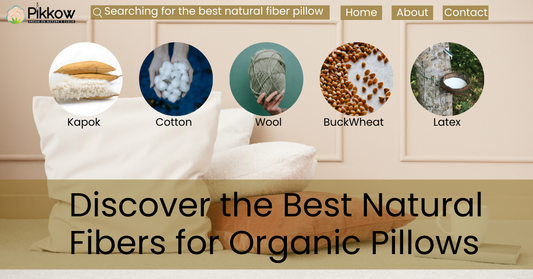
Ceiba pentandra is a tropical tree commonly known as the kapok tree or silk cotton tree. Native to tropical regions of Asia, Africa, and South America, this majestic tree produces large seed pods filled with soft, airy fibers. These fibers—known as kapok—have been used for centuries in traditional sleep materials, cushions, and insulation.
Unlike farmed cotton or synthetic fibers, Ceiba pentandra grows naturally in forests, requiring no irrigation, pesticides, or chemical fertilizers. This makes it one of the most sustainable fiber sources available today.
The Origin of Kapok Fiber
Kapok fiber is harvested from the seed pods of the Ceiba pentandra tree once they mature and naturally burst open. The fibers surrounding the seeds are collected, cleaned, and used as kapok pillow filling and other bedding materials.
Often referred to as natural silk cotton, kapok has a smooth, fluffy texture and a hollow structure. This unique form gives it qualities that are difficult to replicate artificially, including lightness, breathability, and moisture resistance.
Why Ceiba Pentandra Is a Sustainable Fiber Source
Sustainability is one of the strongest reasons Ceiba pentandra is gaining attention in modern bedding. As a forest-grown fiber, it supports biodiversity rather than replacing it. The trees grow tall and strong in natural ecosystems, making them a renewable resource that doesn’t require land clearing or intensive farming.
Because kapok is harvested without cutting down the tree, it aligns perfectly with renewable resources bedding and eco friendly sleep material standards. This makes Ceiba pentandra uses especially appealing to those seeking environmentally responsible home products.
Key Properties That Make Kapok Ideal for Pillows
The natural structure of kapok fiber gives it several advantages over synthetic and even some natural alternatives:
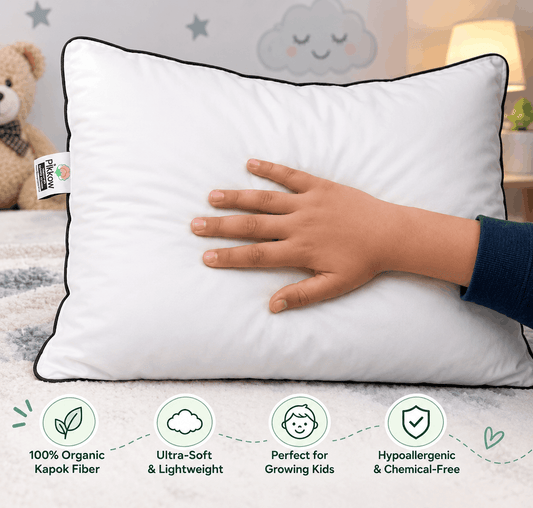
Kapok is extremely lightweight, making it a comfortable option for people who dislike heavy or dense pillows. Its hollow fibers allow air to circulate freely, creating a breathable pillow fiber that helps regulate temperature during sleep.
Another standout feature is moisture resistance. Kapok naturally repels moisture, reducing sweat buildup and helping pillows stay fresher for longer. These properties make it a practical and hygienic plant based pillow filling for everyday use.
Sleep Benefits of Ceiba Pentandra Fiber
When used in pillows, Ceiba pentandra offers gentle support that adapts to the head and neck without excessive pressure. This balance helps maintain natural alignment while avoiding stiffness.
Because kapok is naturally hypoallergenic, it resists dust mites and mold better than many conventional materials. This makes hypoallergenic kapok a suitable option for people with allergies, asthma, or sensitive skin.
Its breathability also supports uninterrupted sleep, especially in warm or humid climates, where heat buildup is a common issue with synthetic pillows.
Kapok vs Memory Foam and Cotton
Comparing kapok vs memory foam highlights major differences. Memory foam often traps heat and relies on chemical processing, while kapok stays cool and is naturally chemical free. Foam pillows can also off-gas odors, whereas kapok has no synthetic smell.
In a kapok vs cotton comparison, kapok stands out for its lighter weight and better airflow. Cotton can absorb moisture and become heavy, while kapok remains dry and airy throughout the night.
These comparisons explain why Ceiba pentandra is increasingly viewed as a natural luxury pillow material rather than a traditional alternative.
Traditional Roots and Modern Revival
For generations, Ceiba pentandra fiber has been part of ancient sleep practices across India and Southeast Asia. It was commonly used in bedding, bolsters, and floor mattresses before synthetic materials became widespread.
Today, this traditional sleep material is experiencing a revival as people seek organic bedding materials that align with modern wellness values. The return to kapok reflects a broader movement toward slow living, mindful consumption, and respect for nature.
Where Pikkow Fits into the Story
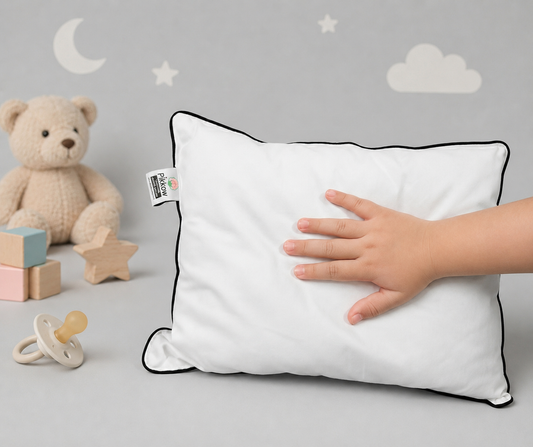
As interest in natural sleep solutions grows, brands like Pikkow are helping reintroduce Ceiba pentandra to modern homes. By using kapok fiber thoughtfully and responsibly, Pikkow focuses on comfort that feels light, breathable, and free from unnecessary chemicals.
Instead of relying on artificial fillings, Pikkow embraces the inherent strengths of kapok tree fiber—creating pillows that support healthy sleep without compromising sustainability.
Why Ceiba Pentandra Is Redefining Healthy Pillows
Healthy pillows do more than feel soft. They regulate temperature, support posture, stay hygienic, and avoid exposing sleepers to harmful materials. Ceiba pentandra meets all these criteria naturally.
As awareness increases around chemical free pillow options and eco friendly sleep material choices, kapok is no longer just a traditional fiber—it’s a modern solution backed by both nature and experience.
The Future of Kapok in Sleep Products
With growing demand for sustainable and organic home goods, the role of Ceiba pentandra in bedding is expected to expand. Its versatility as a natural insulation fiber, cushion filling, and pillow core makes it adaptable to various sleep needs.
As consumers become more informed, kapok is likely to move from niche to mainstream, reshaping expectations around what premium bedding should offer.
Conclusion: A Natural Fiber Worth Rediscovering
Ceiba pentandra is more than a tree—it’s a reminder that nature has long provided solutions for comfort and well-being. Its kapok fiber offers breathability, lightness, and sustainability in a way few materials can match.
By choosing pillows made with kapok, sleepers invest in healthier rest and a lighter environmental footprint. Brands like Pikkow help bring this ancient, forest-grown fiber into modern life, proving that the future of sleep can be both natural and refined.
FAQs
1. What is Ceiba pentandra used for?
Ceiba pentandra is used to produce kapok fiber, commonly found in pillows, mattresses, insulation, and traditional bedding.
2. Is kapok fiber good for pillows?
Yes, kapok is lightweight, breathable, moisture resistant, and naturally hypoallergenic, making it ideal for healthy pillows.
3. How does kapok compare to memory foam?
Kapok is cooler, chemical-free, and breathable, while memory foam tends to trap heat and relies on synthetic materials.
4. Is kapok an eco-friendly material?
Kapok is harvested from forest-grown trees without harming them, making it a renewable and sustainable fiber source.
5. Why do brands like Pikkow use kapok fiber?
Because kapok aligns with comfort, health, and sustainability—offering a natural alternative to synthetic pillow fillings.