
Floor sleeping in India has been a traditional practice in many households, where people used a chatai, dari, or folded gadda instead of a raised bed. Even today, some people prefer sleeping closer to the ground because it is affordable, space-saving, and practical for Indian homes. Understanding the floor sleeping benefits can help you decide whether this sleeping style suits your body, lifestyle, and comfort needs.
However, sleeping on the floor is not automatically better for your health. The surface, sleeping position, pillow height, and personal health conditions all influence sleep quality. Choosing the right pillow and bedding can make the experience more comfortable while helping you maintain a natural sleeping posture.
What Is Floor Sleeping?
Floor sleeping means sleeping directly on the floor or on a thin layer of bedding rather than on a conventional bed. Depending on personal preference and local traditions, people may use a chatai mat, cotton dari, folded gadda, yoga mat, or thin mattress.
A Long Tradition in Indian Homes
Traditional Indian floor sleeping has been common in households where bedding is rolled up during the day to save space. Chatai mats and cotton mattresses provide a simple sleeping surface, while thicker gadda offer additional cushioning.
Some Ayurveda-inspired routines also emphasise consistent sleep schedules and a comfortable sleeping environment. However, there is limited scientific evidence that sleeping directly on the floor provides specific Ayurvedic health benefits. Comfort, hygiene, and individual needs remain important considerations.
Floor Sleeping Around the World

Floor-based sleeping is also practised in other cultures. In Japan, a futon or shikibuton is traditionally placed on a tatami mat and stored away during the day. Korean yo bedding is another example of floor-based sleeping.
These practices show how low-profile bedding can support minimalist living and make better use of limited space. However, traditional floor bedding usually includes some cushioning rather than requiring people to sleep directly on a hard surface.
Benefits of Sleeping on the Floor
The potential sleeping on the floor benefits vary from person to person. Although some people find a firm surface comfortable, research specifically examining floor sleeping is limited.
1. May Support Better Posture and Spinal Alignment
A firm sleeping surface may help some people maintain a comfortable, neutral body position. However, a hard floor does not automatically improve spinal alignment. If the surface creates pressure around the shoulders, hips, or lower back, it may cause discomfort instead.
For healthy sleep posture, your head, neck, and spine should remain reasonably aligned. The correct pillow and suitable cushioning can help reduce unnecessary strain, particularly for people who experience occasional stiffness.
2. May Feel Cooler During Indian Summers
Floor sleeping may feel cooler during summer, especially when using a breathable cotton dari or chatai mat in a well-ventilated room. This can be useful in Indian homes where temperatures remain high for extended periods.
However, the floor is not always cooler than a bed, and direct contact with tile or concrete may feel uncomfortable. Breathable bedding, adequate ventilation, and moisture control are important for maintaining cooling sleep.
3. Budget-Friendly and Space-Saving
One of the practical floor sleeping benefits is affordability. A chatai mat, thin mattress, or folded gadda can cost less than a complete bed frame and mattress setup.
This arrangement is useful for students, renters, and people furnishing a new home on a budget. It also supports minimalist living by reducing bulky furniture and allowing a room to serve multiple purposes.
4. Useful for Small Homes and Shared Rooms
In apartments and smaller Indian homes, floor bedding can provide additional sleeping space without requiring another permanent bed. The bedding can be rolled up and stored during the day, leaving more room for daily activities.
Nevertheless, convenience should not come at the expense of sleep quality. A suitable floor mattress or thin mattress can provide extra cushioning without taking up too much storage space.
Possible Floor Sleeping Side Effects and Who Should Avoid It
Although some people sleep comfortably on the floor, others may experience pressure-related discomfort or difficulty moving around.
Potential floor sleeping side effects include:
-
Joint and pressure-point discomfort: Hard surfaces can put extra pressure on the hips, shoulders, knees, and other bony areas.
-
Back or neck pain: An unsuitable surface or pillow may aggravate existing discomfort rather than relieve it.
-
Difficulty getting up: Older adults and people with limited mobility may find getting down to and rising from the floor difficult.
-
Dust and allergies: Floor-level bedding can collect dust, pet hair, and other allergens.
-
Dampness and hygiene concerns: During the monsoon, poor ventilation and moisture can encourage mould and unpleasant odours.
People with arthritis, osteoporosis, significant mobility limitations, persistent back problems, or pressure-sensitive conditions should consider their individual needs before switching to floor sleeping. During pregnancy, particularly later stages, getting up and lying down may become difficult, so a conventional bed may be more practical.
If you have ongoing back or joint pain, consult a doctor or physiotherapist before changing your sleeping arrangement.
Why Your Pillow Matters More on the Floor
Your pillow plays an important role in maintaining comfortable neck positioning. On a mattress, your shoulders and hips may sink into the cushioning. On the floor, they generally sink much less, which changes the distance between your head and the sleeping surface.
This difference makes pillow loft, or height, particularly important. A pillow that works well on a soft mattress may feel too high when used on a firm floor.
The best pillow for floor sleeping should support your head without pushing your chin towards your chest or allowing your head to tilt excessively backwards or sideways. Pillow firmness matters too: a pillow that collapses completely may provide insufficient support, while one that is too firm may feel uncomfortable.
A suitable cervical pillow may help some people maintain a more neutral neck position, but the best design depends on your sleeping position, body shape, and personal comfort.
How to Choose the Right Pillow for Floor Sleeping
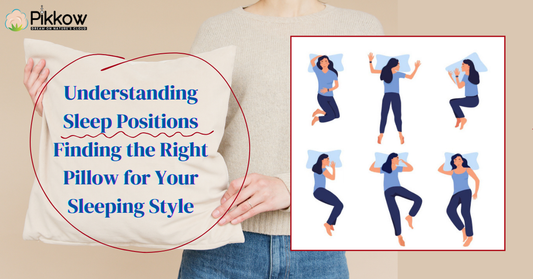
The ideal pillow depends on whether you sleep on your back, side, or stomach. Your pillow should fill the natural gap between your head and the surface without forcing your neck into an uncomfortable angle.
1. For Back Sleepers
A back sleeper generally benefits from a low-to-medium-loft pillow that supports the natural curve of the neck without lifting the head too high.
A pillow that is excessively thick may push the head forward, while one that is too flat may fail to support the neck comfortably. Choose a pillow that maintains a relaxed, neutral position.
2. For Side Sleepers
A side sleeper usually needs a medium-to-higher-loft pillow to fill the gap between the shoulder and the head. Because the shoulder has less room to sink into a hard floor than into a mattress, adequate pillow height is especially important.
The right pillow for sleeping on the floor should keep the head approximately level with the spine. If your head tilts downwards or upwards, adjust the pillow height or consider adding a thin mattress for cushioning.
3. For Stomach Sleepers
Stomach sleepers generally need a very thin pillow or may find sleeping without one more comfortable. A thick pillow can turn the neck sideways at an uncomfortable angle.
If you regularly experience neck pain, consider whether changing your sleeping position would help. Avoid forcing a new position if it causes discomfort.
4. Choosing the Right Pillow Material
Different pillow materials offer different levels of support, breathability, and softness.
|
Pillow material |
Main characteristics |
Best suited for |
|
Memory foam pillow |
Contours to the head and neck; may retain heat |
People who prefer moulded support |
|
Cotton pillow |
Familiar, breathable feel; firmness depends on filling |
People who prefer traditional bedding |
|
Kapok/semal cotton pillow |
Plant-based kapok offers a lightweight, resilient feel; semal cotton is a different natural fibre |
People seeking natural filling options |
|
Latex pillow |
Resilient, supportive, and often more responsive than memory foam |
People who prefer a springier feel |
Kapok is a natural plant fibre harvested from kapok tree seed pods. It should not be confused with semal cotton, which comes from a different tree. Both are used as natural filling materials, but their feel and performance can differ.
When choosing a pillow, consider breathability, filling density, maintenance, and how well the pillow retains its shape. No single material is ideal for everyone.
How to Start Sleeping on the Floor
If you are curious about how to start sleeping on the floor, make the transition gradually instead of immediately replacing your usual sleeping arrangement.
-
Choose a suitable surface: Start with a clean chatai mat, yoga mat, or thin mattress. Avoid beginning on bare concrete or tile if it feels excessively hard.
-
Select the right pillow: Match pillow loft and firmness to your sleeping position.
-
Transition gradually: Try floor sleeping for a short period or a few nights a week. Increase the duration only if you remain comfortable.
-
Keep the floor clean and dry: Sweep or vacuum regularly, and allow the bedding to air out to reduce dust and moisture.
-
Monitor your comfort: Pay attention to back stiffness, neck pain, shoulder pressure, and sleep quality. Return to your previous setup if discomfort develops.
-
Store bedding properly: Roll up your mat or fold your bedding during the day to improve ventilation and free up space.
Avoid treating discomfort as something you must push through. If pain persists or worsens, stop and seek appropriate professional advice.
Floor Sleeping vs. Mattress: Quick Comparison
|
Factor |
Floor sleeping |
Conventional mattress |
|
Comfort |
Depends on cushioning and personal preference |
Usually offers more cushioning options |
|
Posture |
May suit some people but can create pressure points |
Support varies with mattress firmness and design |
|
Cooling |
May feel cooler with breathable bedding |
Depends on mattress materials and ventilation |
|
Cost |
Can be budget-friendly |
Costs vary by mattress and bed frame |
|
Suitability for older adults |
Getting up may be difficult |
Often easier to access |
|
Maintenance |
Requires regular floor cleaning and bedding ventilation |
Requires mattress and bed-frame maintenance |
Neither option is universally better. Research published in The Lancet in 2003 by Kovacs and colleagues found that medium-firm mattresses were more effective than firm mattresses for people with chronic, nonspecific low back pain. This does not directly prove that floor sleeping causes or relieves back pain, but it highlights why maximum firmness should not automatically be considered the healthiest choice.
Pikkow’s Pick for Floor Sleepers
For people exploring traditional Indian floor sleeping, choosing comfortable, breathable bedding and a suitable pillow can make the experience more enjoyable.
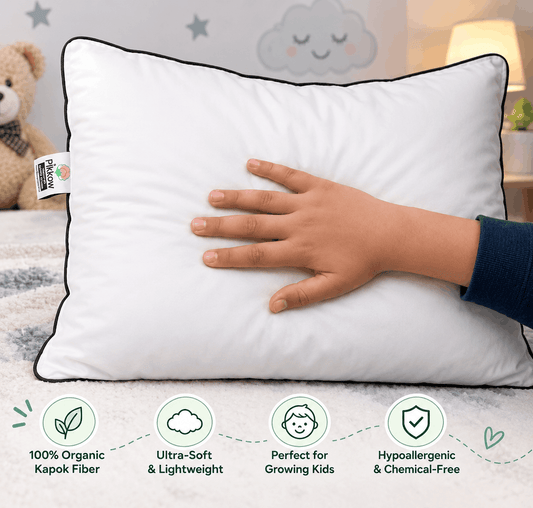
Pikkow's natural kapok pillows are an option for people who prefer plant-based pillow filling. Kapok is lightweight and naturally resilient, making it worth considering if you want an alternative to conventional synthetic fillings.
However, a natural filling does not automatically guarantee better spinal alignment or relief from back pain. Before choosing a Pikkow pillow, consider your sleeping position, preferred pillow loft, and the level of support you need. Select a product that suits your comfort requirements rather than choosing it solely because of its material.
Conclusion
Floor sleeping in India remains a practical option for people who value simplicity, affordable bedding, and efficient use of space. Potential floor sleeping benefits include convenience, reduced furniture requirements, and a cooler-feeling sleep environment in suitable conditions. However, the evidence does not establish that sleeping on the floor is universally healthier than sleeping on a mattress.
The key is to choose a comfortable surface, maintain good hygiene, and use a pillow that supports your natural neck position. Whether you prefer a cotton pillow, memory foam pillow, latex pillow, or natural kapok pillow, the right choice depends on your sleeping position and individual needs.
Start gradually, pay attention to your body's response, and prioritise restful sleep over tradition or trends. If floor sleeping causes persistent discomfort, a supportive mattress may be a better option.
Frequently Asked Questions
1. Is it healthy to sleep on the floor?
It depends on your body, sleeping position, and the surface you use. Some people find floor sleeping comfortable and convenient, while others develop pressure-point discomfort or stiffness. A clean, dry surface, suitable cushioning, and the right pillow can improve comfort, but floor sleeping is not proven to be universally healthier than mattress sleeping.
2. Does sleeping on the floor help back pain?
Not necessarily. Some people prefer a firm surface, but sleeping on the floor may increase pressure around the hips and shoulders. Research supports medium-firm mattresses for certain people with chronic low back pain. If you are considering floor sleeping for back pain, consult a healthcare professional, particularly if symptoms persist or worsen.
3. Should I use a pillow when sleeping on the floor?
Yes, a pillow can help support your head and neck, although the ideal height depends on your sleeping position. Back sleepers often prefer lower pillows, while side sleepers generally need more height. Stomach sleepers may find a very thin pillow or no pillow more comfortable.
4. What type of pillow is best for floor sleeping?
The best pillow for floor sleeping is one that maintains a comfortable, neutral neck position. Cotton, kapok, memory foam, and latex pillows can all work, depending on their height, firmness, and filling characteristics. Choose according to your sleeping position and comfort rather than assuming one material is best for everyone.
5. Is floor sleeping good in summer?
It can feel cooler in some homes, especially when you use breathable bedding and maintain good ventilation. However, the temperature of the floor, room conditions, and bedding materials all affect comfort. During humid weather or the monsoon, ensure the sleeping surface remains dry and the bedding is aired regularly.
6. Who should not sleep on the floor?
People with limited mobility, arthritis, certain joint conditions, significant pressure sensitivity, or difficulty getting up may find floor sleeping unsuitable. Pregnant people may also find it increasingly uncomfortable as pregnancy progresses. Anyone with existing back or joint problems should consider individual medical advice before making the switch.
7. How long does it take to get used to sleeping on the floor?
There is no fixed adjustment period. Some people find it comfortable immediately, while others experience pressure or stiffness. Start gradually and monitor your sleep quality and comfort. Do not continue simply to become accustomed to pain; switch to a more supportive surface if discomfort persists.
8. Is floor sleeping good during pregnancy?
Not necessarily. Floor sleeping can make changing positions and getting up more difficult as pregnancy progresses. A supportive bed may be more practical, particularly in later stages. Pregnant people should prioritise comfort and safe movement and consult their healthcare professional if they have concerns about sleeping positions or back pain.