
Kapok fiber is a naturally lightweight and fluffy material that comes from the seed pods of the kapok tree. Its soft, silky texture and airy structure have made it a popular natural filling for pillows, cushions, and other products. But before kapok becomes the soft filling inside a pillow, it goes through a simple yet fascinating journey—from a mature tree pod to cleaned, separated fiber.
So, how is kapok fiber harvested and processed? The process begins when the kapok tree produces mature seed pods. As these pods ripen, they gradually turn brown and dry. Once they are ready, the pods are collected, dried further if necessary, opened, and separated into lightweight fibers and heavier seeds.
Understanding the kapok fiber harvesting process gives a better idea of where this natural filling comes from and why it has such a distinctive feel compared with many conventional pillow fillings.
What Is Kapok Fiber?

Kapok fiber is a natural plant fiber obtained from the seed pods of the kapok tree, scientifically known as Ceiba pentandra. The tree is found across tropical regions, and its pods contain silky fibers surrounding the seeds.
Unlike cotton, kapok fiber is not typically obtained by spinning the plant material into yarn. Instead, the naturally fluffy fibers are mainly used as a filling material. Each fiber is light and hollow in structure, which contributes to its characteristic softness and low density.
When you open a mature kapok pod, you can find a mass of silky fibers surrounding the seeds. These fibers need to be separated and cleaned before they can be prepared for applications such as natural pillow filling.
How Is Kapok Fiber Harvested?

The kapok fiber harvesting process starts when the seed pods reach maturity. As the pods mature, they become brown and dry, signalling that the fiber inside is ready to be collected.
Depending on local harvesting practices, mature pods may be picked directly from the tree or collected after they naturally fall to the ground. When pods are located high in the tree, long poles may be used to reach them.
Harvesting mature pods at the appropriate stage is important because the fibers inside need to be sufficiently developed and dry enough for separation.
Once collected, the pods are gathered and taken for the next stage of the process: drying.
Drying the Kapok Pods

After harvesting, the pods are allowed to dry properly. In traditional processing, pods may be spread out and exposed to sunlight to reduce remaining moisture and help them open more easily.
Drying is an important step because mature kapok pods naturally contain both fiber and seeds. As the pods dry, their outer covering becomes easier to break open.
The exact drying time can vary depending on factors such as weather, humidity, and the condition of the harvested pods. The goal is to ensure that the pods are sufficiently dry before the fiber is separated.
Opening the Dried Kapok Pods

Once the pods have dried, they are opened to release the material inside.
A dried kapok pod contains a mixture of lightweight, silky fibers and relatively heavier seeds. When the pod is opened, the fluffy fiber becomes visible around the seeds.
The pods can be opened manually, particularly in smaller-scale processing. The contents are then collected for separation.
This is the stage where the unique physical properties of kapok become particularly useful. The fibers are extremely lightweight, while the seeds are much heavier, making physical separation possible.
How Are Kapok Seeds Separated From the Fiber?

One of the most important stages in kapok fiber processing is separating the fiber from the seeds.
After the dried pods are opened, workers have a mixture of loose fibers and seeds. Because the seeds are heavier than the fibers, simple physical methods can be used to separate them.
The mixture may be stirred, shaken, or gently beaten in baskets, sieves, or similar containers. As the material moves, the heavier seeds tend to settle away from the lighter fibers.
Traditional processing methods can vary by region and producer. The basic principle, however, remains the same: use the difference in weight and structure between the seeds and the fluffy fiber to separate them.
Once most of the seeds have been removed, the loose kapok fiber can be collected for further cleaning and preparation.
How Kapok Fiber Is Processed
So, how is kapok fiber processed after it has been separated from the seeds?
The separated fiber is examined and cleaned to remove remaining seeds, pieces of pod, and other unwanted material. Depending on the intended application and processing method, additional mechanical handling may be used to prepare the fiber.
Careful processing helps preserve the naturally fluffy structure of kapok. Unlike materials that require extensive transformation into threads or fabrics, kapok intended for filling applications can retain much of its original form.
The final preparation depends on the product for which the fiber is intended. When used as pillow filling, the fiber needs to be clean, dry, and suitably prepared for filling and handling.
From Kapok Tree to Natural Pillow Filling

The journey from the kapok tree to a pillow can be understood through a series of straightforward steps:
Mature kapok pods → Harvesting → Drying → Pod opening → Seed separation → Fiber cleaning → Preparation → Pillow filling
Each stage contributes to the final quality of the filling.
Once prepared, kapok fiber can be used as a natural filling material for pillows. Its naturally light and fluffy structure gives kapok-filled pillows a distinctive feel compared with dense synthetic filling materials.
The fiber's low density also means that a relatively large volume of material can be obtained without creating a very heavy filling. This is one of the characteristics that has made kapok useful for soft filling applications.
Why Is Kapok Fiber Used for Pillows?

Kapok has several natural characteristics that make it interesting as a pillow filling.
Lightweight and Fluffy
Kapok fiber is remarkably lightweight. Its fluffy structure can create a soft and airy filling without adding excessive weight to a pillow.
Naturally Soft Texture
The silky feel of kapok fiber contributes to a comfortable filling texture. When prepared properly, it can provide a different tactile experience from conventional synthetic fillings.
Natural Plant-Based Filling
Kapok comes from a tree rather than being manufactured from petroleum-based synthetic materials. For people interested in plant-based filling options, this makes kapok an interesting alternative to explore.
Distinctive Loft
The loose structure of kapok allows the fibers to occupy a relatively large volume compared with their weight. This characteristic contributes to the loft and softness associated with kapok-filled products.
However, the performance of any pillow also depends on factors such as filling quantity, pillow construction, cover material, and how the product is maintained.
How Kapok Fiber Differs From Synthetic Filling
Kapok and synthetic pillow fillings are produced in very different ways.
Synthetic fillings are manufactured from processed materials and engineered to achieve specific properties such as resilience, uniformity, and shape retention. Kapok, on the other hand, begins as a naturally occurring fiber inside the seed pod of a tree.
This difference can be noticed in the structure and handling of the materials. Kapok has a naturally fluffy, irregular character, while manufactured fibers can be designed to have more consistent shapes and performance characteristics.
Neither material is identical in how it feels or behaves, so choosing between them ultimately depends on personal preferences, pillow construction, and the characteristics a sleeper values.
Is Kapok Fiber a Sustainable Material?
Kapok is a naturally occurring plant fiber, and its origin makes it an interesting material from a sustainability perspective. It comes from the seed pods of the kapok tree rather than being manufactured as a synthetic polymer.
However, it is important not to describe every kapok product as automatically sustainable simply because it contains a natural fiber. The overall environmental impact can depend on how the trees are grown, how the pods are harvested, how the fiber is processed, how far it is transported, and how the finished product is manufactured and packaged.
For consumers, looking at the complete supply chain and the manufacturer's sourcing and processing practices provides a more meaningful picture than considering the fiber alone.
Frequently Asked Questions About Kapok Fiber
How is kapok fiber harvested?
Kapok fiber is obtained from mature seed pods of the kapok tree. The pods may be collected directly from the tree or gathered after they naturally fall. They are then dried and opened to release the fiber and seeds.
How is kapok fiber made?
Kapok fiber is not manufactured in the same way as synthetic fibers. It naturally develops inside the kapok tree's seed pods. After harvesting, the pods are dried, opened, and processed to separate and clean the naturally occurring fiber.
How is kapok fiber processed?
The basic kapok fiber processing involves drying mature pods, opening them, separating the lightweight fibers from heavier seeds, and cleaning the fiber before it is prepared for its intended use.
What is kapok fiber used for?
Kapok fiber is commonly used as a natural filling material. It can be used in pillows, cushions, and other soft-filled products.
Is kapok fiber good for pillows?
Kapok's lightweight, fluffy, and naturally soft structure makes it suitable for use as a pillow filling. The overall comfort of a kapok pillow, however, depends on the quantity and preparation of the filling as well as the pillow's construction.
Conclusion
The journey of kapok fiber from tree to pillow is a natural process that involves several simple but important stages. Mature pods are harvested, dried, opened, and separated into lightweight fibers and heavier seeds. The fiber is then cleaned and prepared for use as a filling material.
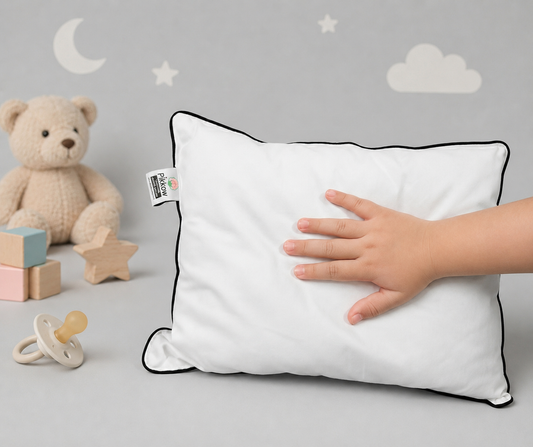
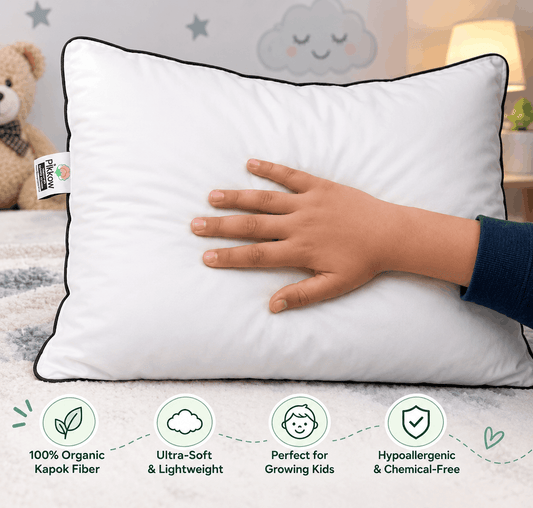
Since 2024 pikkow has provided sustainable sleep to their happy customers with a kapok filled pillow with soft cotton pillow cover that provides comfortable sleep. Pikkow is dedicated to transforming your sleep experience while prioritizing sustainability. Using the pikkow pillow transforming your sleep.
Knowing how kapok fiber is harvested and understanding the kapok fiber production process makes it easier to appreciate what goes into a natural kapok pillow. From the mature pod hanging on a tropical tree to the soft filling inside a finished pillow, every stage helps preserve the unique characteristics of this naturally lightweight fiber.
For anyone exploring natural pillow fillings, kapok offers a distinctive plant-based option with a soft, airy character that sets it apart from many conventional fillings.
FAQs
1. How is kapok fiber harvested?
Kapok fiber is harvested from mature seed pods of the kapok tree. The ripe pods are collected from the tree or gathered after they naturally fall, then dried before the fiber is extracted.
2. How is kapok fiber processed?
The harvested pods are dried and opened to release the silky fiber and seeds. The lighter fiber is then separated from the heavier seeds and cleaned before being prepared for use.
3. How is kapok fiber made into pillow filling?
After the fiber is extracted and separated from the seeds, it is cleaned and prepared while retaining its naturally fluffy structure. The prepared fiber can then be used as filling for natural kapok pillows.
4. What is kapok fiber used for?
Kapok fiber is primarily valued as a natural filling material and can be used in pillows, cushions, and other soft-filled products.
5. Why is kapok fiber suitable for pillows?
Kapok fiber is naturally lightweight, soft, and fluffy. Its airy structure gives kapok-filled pillows a distinctive feel compared with many conventional synthetic fillings.