
Finding the right pillow can make a noticeable difference to your sleep quality, comfort, and overall sleeping experience. If you prefer natural materials, an organic cotton pillow and an organic kapok pillow are two popular choices worth considering. Both use plant-based materials, but they differ in softness, support, breathability, maintenance, and price.
So, when comparing an organic cotton pillow vs organic kapok pillow, which one is right for you?
In this guide, we’ll compare kapok pillow vs cotton pillow based on comfort, support, durability, breathability, allergies, price, and suitability for different sleeping positions. Whether you’re a side sleeper, hot sleeper, or simply searching for the best natural pillow, this comparison will help you understand the differences and choose a pillow that suits your needs.
What Is an Organic Cotton Pillow?
An organic cotton pillow is made using cotton grown without synthetic pesticides and certain chemical inputs used in conventional cotton production. Cotton is naturally soft and breathable, making it a familiar choice for people who prefer a comfortable and easy-to-maintain sleeping surface.
As a natural pillow filling, cotton provides a relatively firm and supportive feel compared with softer, more moldable materials.
Benefits of Organic Cotton Pillows
- Natural & Comfortable – Organic cotton offers a soft and familiar sleeping surface.
- Breathable & Moisture-Absorbent – Cotton allows airflow and can absorb moisture during sleep.
- Eco-Friendly Option – Organic cotton is grown using farming practices designed to reduce reliance on synthetic agricultural chemicals.
- Easy to Maintain – Depending on the pillow's construction and care instructions, cotton pillows can be easier to clean than kapok-filled pillows.
Drawbacks of Organic Cotton Pillows
- May Flatten Over Time – Cotton filling can compress with regular use and may require fluffing.
- Less Moldable – Compared with kapok, cotton may not provide the same ability to adjust around your head and neck.
- Moisture Absorption – Cotton absorbs moisture, which may affect how the pillow feels for some hot or sweaty sleepers.
What Is an Organic Kapok Pillow?

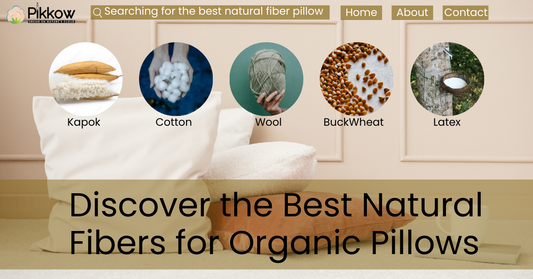
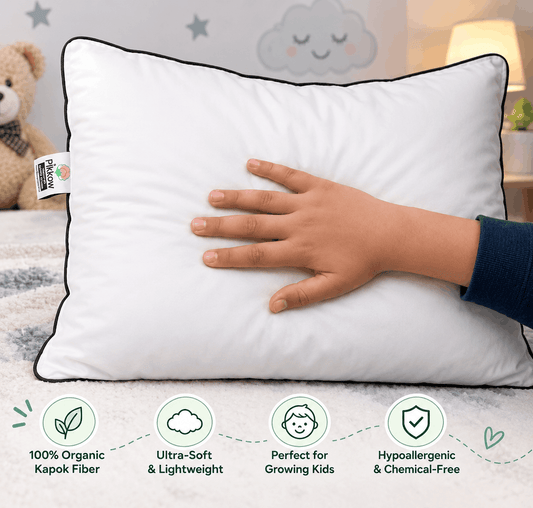
An organic Kapok pillow is filled with lightweight, silky fibers collected from the seed pods of the kapok tree. Kapok fibers are naturally soft and fluffy, giving pillows a plush, down-like feel without using animal-derived filling.
For people searching for an eco-friendly pillow, kapok is an interesting natural alternative because the filling is plant-based and lightweight.
Benefits of Organic Kapok Pillows
- Soft & Plush – Kapok has a naturally fluffy texture that creates a comfortable, down-like feel.
- Moldable Support – The loose fibers can be adjusted and shaped to suit your head and neck.
- Lightweight Natural Filling – Kapok provides a soft and airy alternative to conventional synthetic fillings.
- Breathable Feel – The structure of kapok fibers allows air to move through the filling, which can be useful for sleepers who dislike a stuffy pillow.
- Plant-Based & Eco-Friendly – Kapok is a natural, plant-based filling that makes it suitable for an organic pillow collection.
Drawbacks of Organic Kapok Pillows
- Not Usually Machine Washable – Kapok filling can be affected by excessive moisture, so care instructions should be followed carefully.
- Requires Proper Maintenance – Regular fluffing can help maintain its loft and shape.
- Premium Pricing – Depending on size and construction, kapok pillows can cost more than some conventional cotton pillows.
Organic Cotton Pillow vs Organic Kapok Pillow: Key Differences
When comparing organic cotton pillow vs organic kapok pillow, the biggest difference is the feel and behavior of the filling.
Kapok tends to feel softer, lighter, and more moldable, while cotton generally offers a more familiar and moderately firm feel.
|
Feature |
Organic Kapok Pillow |
Organic Cotton Pillow |
|
Softness & Comfort |
Soft, fluffy and down-like |
Soft with a slightly firmer feel |
|
Support & Contouring |
Moldable and adjustable |
Moderate support |
|
Natural Pillow Filling |
Lightweight plant-based kapok fibers |
Natural cotton fibers |
|
Breathability |
Airy and breathable |
Breathable but absorbs moisture |
|
Allergy Consideration |
Naturally resistant to mold and mildew when kept dry |
Natural and suitable for many sleepers |
|
Eco-Friendly Factor |
Plant-based and naturally renewable |
Organic farming can reduce synthetic chemical use |
|
Durability |
Can maintain loft with proper care |
May compress or flatten with regular use |
|
Maintenance |
Spot clean and protect from moisture |
Generally easier to clean depending on construction |
|
Feel |
Plush and moldable |
Soft and moderately firm |
Kapok vs Cotton Pillow for Allergies
If you have sensitive skin or are concerned about allergens, the filling material is an important consideration.
Kapok is naturally lightweight and resistant to moisture-related problems when properly maintained. Because the filling should be kept dry, using a washable pillow protector can help protect the pillow from sweat, dust, and everyday buildup.
Cotton is also a natural material and is widely used in bedding. However, because cotton can absorb moisture, proper washing and regular maintenance are important.
Rather than choosing based only on the filling, consider the complete pillow construction, pillow cover, cleanliness, and your personal sensitivities.
Kapok vs Cotton Pillow for Neck and Back Support
Your sleeping position and preferred pillow height are important when selecting a pillow for neck support.
Kapok filling is loose and moldable, allowing you to adjust and reshape the pillow according to your comfort. This can be useful for people who prefer a pillow that can be customized around their head and neck.
Cotton pillows generally provide a more stable and familiar feel but may compress with repeated use.
For anyone comparing cotton vs kapok pillow options for support, think about whether you prefer a moldable pillow or a more traditional cotton-filled feel.
Kapok Pillow vs Cotton Pillow for Side Sleepers
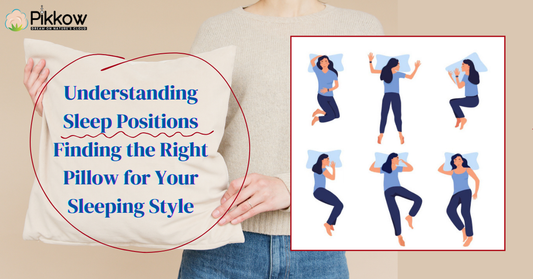
Side sleepers generally need enough pillow height to fill the space between the head and mattress and help maintain comfortable neck positioning.
A kapok pillow can be reshaped and fluffed to create the desired loft, making it an appealing option for side sleepers who prefer adjustable-feeling support.
Cotton pillows can also work for side sleepers, particularly if they have sufficient filling and loft, but compressed cotton may require more frequent fluffing.
If you're specifically researching kapok pillow vs cotton pillow for side sleepers, consider your shoulder width, mattress firmness, and preferred pillow height before making a decision.
Kapok vs Cotton Pillow for Hot Sleepers
Temperature is another important factor when choosing the best natural pillow.
Kapok fibers are lightweight and airy, allowing the filling to feel less dense. This can contribute to better airflow around the head and neck.
Cotton is naturally breathable too, but it absorbs moisture. For some hot sleepers, this moisture absorption may make the pillow feel less fresh after prolonged use.
If you tend to wake up feeling hot or sweaty, compare the cover material as well as the filling because both can influence how comfortable your pillow feels overnight.
Are Kapok Pillows Breathable?
Yes, kapok pillows are generally considered breathable because kapok fibers are lightweight and airy. Their loose structure allows airflow through the filling, which can help create a comfortable sleeping environment.
However, overall breathability also depends on the pillow cover, filling density, room temperature, and bedding.
Kapok Pillow vs Cotton Pillow Price Comparison
Price is another important factor when choosing between a kapok pillow vs cotton pillow.
Kapok pillows are available in different sizes, making it easier to select an option based on age, bed size, and personal requirements.
Kapok Pillow Prices
|
Kapok Pillow Size |
Price |
|
King Size |
₹2,000 |
|
Queen Size |
₹1,000 |
|
Kids |
₹600 |
|
Toddlers |
₹400 |
For comparison, similar natural or organic cotton pillows from other brands can fall into a somewhat higher price range depending on size, filling, cover material, and construction.
|
Cotton Pillow Size |
Approx. Comparison Price |
|
King Size |
₹2,500 |
|
Queen Size |
₹1,500 |
|
Kids |
₹800 |
|
Toddlers |
₹600 |
Prices can vary between sellers and product specifications, so it is worth checking the filling, fabric, certifications, size, and care instructions before purchasing.
Where Can I Buy a Kapok Pillow for Sound Sleep?
If you're wondering where to buy a kapok pillow, online natural bedding stores are a convenient option. Look for pillows that clearly mention the filling material, size, cover fabric, and care instructions.
When shopping for an organic pillow, also check whether the product provides information about the sourcing and processing of its materials.
For a natural, plant-based option, you can explore the Kapok Pillow collection from Pikkow.
Best Kapok Pillow and Cotton Pillow Options
The right pillow depends on your sleeping style, comfort preferences, and budget rather than simply choosing a particular material.
Organic Kapok Pillow
An organic kapok pillow can be a good option if you prefer:
- A soft and plush feel
- Lightweight, airy filling
- A moldable pillow
- Plant-based natural materials
- Adjustable-feeling support
Organic Cotton Pillow
An organic cotton pillow may suit you if you prefer:
- A more traditional pillow feel
- Soft but moderately firm support
- Natural cotton filling
- Easier maintenance
- A familiar breathable material
Final Verdict: Which Pillow Should You Choose?
When comparing organic cotton pillow vs organic kapok pillow, there isn't one choice that works for every sleeper.
Choose an organic kapok pillow if you prefer a soft, lightweight, moldable pillow with a plush feel and natural plant-based filling.
Choose an organic cotton pillow if you prefer a more traditional, moderately firm pillow that is familiar, breathable, and generally easier to maintain.
Both can be suitable natural and eco-friendly bedding choices. Your sleeping position, preferred firmness, temperature preferences, maintenance expectations, and budget should guide your final choice and also reach us.
FAQs
1. Which is better, a Kapok or cotton pillow?
The answer depends on your sleeping preferences. Kapok pillows are soft, lightweight, and moldable, while cotton pillows generally offer a more traditional and moderately firm feel. If you prefer a plush, adjustable pillow, kapok may suit you better. If you prefer familiar support and easier maintenance, cotton may be more suitable.
2. Is Kapok better than cotton for pillows?
Kapok can be a better choice for sleepers who want lightweight, moldable, plant-based filling and a soft, plush feel. Cotton may be preferable for people who want a more traditional pillow with simpler maintenance. The better option ultimately depends on comfort, sleeping position, and personal preference.
3. Kapok pillow vs cotton pillow for side sleepers: Which is better?
For side sleepers, pillow height and support are particularly important. Kapok can be shaped and fluffed to provide additional loft, which can make it a useful choice for side sleepers. Cotton can also work well when the pillow has sufficient height and filling to support the sleeper comfortably.
4. Are kapok pillows breathable?
Yes, kapok fibers are lightweight and airy, allowing airflow through the filling. This can contribute to a cooler and more comfortable feel. However, breathability also depends on the pillow cover, filling density, and surrounding bedding.
5. How to clean a kapok pillow?
Kapok pillows generally should not be machine washed unless the manufacturer's care instructions specifically allow it. Spot-clean the cover or surface when needed, use a washable pillow protector, and keep the kapok filling dry. Always follow the specific care instructions provided with your pillow.