
For decades, Indian households relied on natural sleep materials rooted in tradition and climate wisdom. Then came synthetic bedding—polyester, memory foam, and mass-produced pillows that promised convenience but quietly compromised comfort, breathability, and health. Today, as wellness homes prioritize clean living and mindful choices, an old favorite is making a strong comeback: semal pillows.
The renewed interest in semal pillows in modern wellness homes reflects a deeper shift toward natural, chemical-free, and climate-appropriate sleep solutions. From Ayurvedic wisdom to modern sleep science, semal fiber is once again being recognized for what it truly offers—comfort that works in harmony with the body.
What Is Semal Fiber and Where Does It Come From?
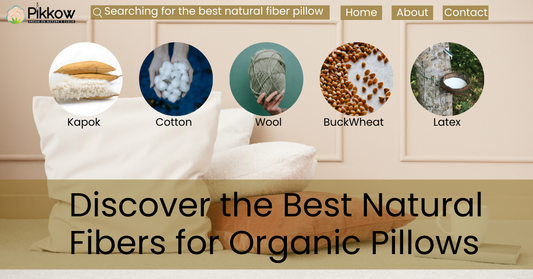
Semal fiber comes from the silk cotton tree, scientifically known as Bombax ceiba, commonly called the semal tree in India. This tall, majestic tree produces seed pods filled with soft, fluffy fibers traditionally used for bedding.
Often referred to as silk cotton, semal fiber is:
-
Lightweight and airy
-
Naturally breathable
-
Plant-based and biodegradable
-
Free from synthetic processing
A semal fiber pillow uses these fibers as filling, creating a soft yet supportive sleep surface that feels closer to nature than modern foams ever can.
The Historical Role of Semal Pillows in Indian Homes
Long before branded bedding existed, semal pillows were a household staple across India. Grandparents slept on them, children rested on them, and guest rooms were filled with them. These pillows were handcrafted locally, refilled when needed, and suited perfectly to India’s hot and humid climate.
So why did they disappear?
With urbanization and global manufacturing, synthetic pillows entered the market aggressively. Polyester and foam were marketed as modern, durable, and maintenance-free. Gradually, traditional Indian pillows faded—not because they failed, but because convenience overshadowed wisdom.
Now, wellness-conscious consumers are rediscovering why traditional Indian pillows like semal were trusted for generations.
Why Semal Pillows Are Making a Comeback
The return of semal pillows in modern wellness homes is driven by multiple factors:
1. Demand for Chemical-Free Living
Modern wellness homes focus on reducing toxin exposure. Synthetic pillows often contain adhesives, flame retardants, and plastic fibers. In contrast, a semal cotton pillow is naturally chemical-free, making it safer for children, elders, and allergy-sensitive sleepers.
2. Climate-Appropriate Comfort
Semal fiber allows continuous airflow, preventing heat buildup. This makes a cooling natural pillow essential for Indian summers and warm nights.
3. Sustainability and Eco-Conscious Choices
With growing awareness of environmental impact, plant-based materials are preferred. Semal is renewable, biodegradable, and aligns with eco friendly wellness bedding principles.
How Semal Fiber Supports Sleep Health
Airflow and Temperature Regulation
Semal fibers are hollow, allowing air to circulate freely. This keeps the head cool and reduces sweating, supporting uninterrupted sleep.
Gentle Spinal and Neck Support
Unlike memory foam that molds rigidly or polyester that collapses, semal provides soft, adaptive support. This makes a semal pillow for back and neck support ideal for people with mild stiffness or posture sensitivity.
Hypoallergenic Properties
Semal does not trap moisture, making it resistant to dust mites and mold. As a hypoallergenic natural pillow, it supports clean breathing throughout the night.
These qualities explain why semal pillow benefits align so well with both Ayurvedic thinking and modern sleep science.
Semal vs Synthetic Pillows: A Clear Comparison
Synthetic pillows were designed for mass production, not long-term wellness. When compared directly, the difference becomes clear.
-
Heat Retention: Memory foam and polyester trap heat; semal stays cool.
-
Breathability: Synthetic fibers restrict airflow; semal encourages it.
-
Sustainability: Plastic-based pillows harm the environment; semal is biodegradable.
-
Comfort Over Time: Foam degrades unevenly; semal can be refluffed and maintained.
This comparison is driving many consumers toward natural fiber pillows India is rediscovering.
Semal Pillows and Modern Wellness Living
Wellness homes today are not about luxury—they are about intention. From organic kitchens to toxin-free bedrooms, every element is chosen for health impact. Bedding plays a central role in this philosophy.
A silk cotton pillow semal fits perfectly into:
-
Ayurvedic-inspired bedrooms
-
Minimalist wellness homes
-
Sustainable lifestyle setups
-
Allergy-sensitive households
This resurgence also aligns with broader wellness home bedding trends that prioritize natural sleep products India has traditionally embraced.
Mid-Blog Insight: Where Pikkow Fits In
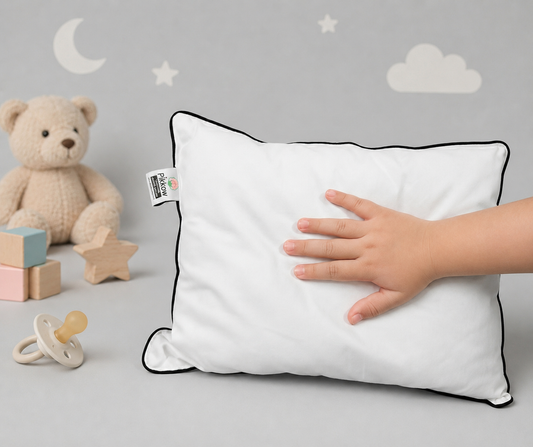
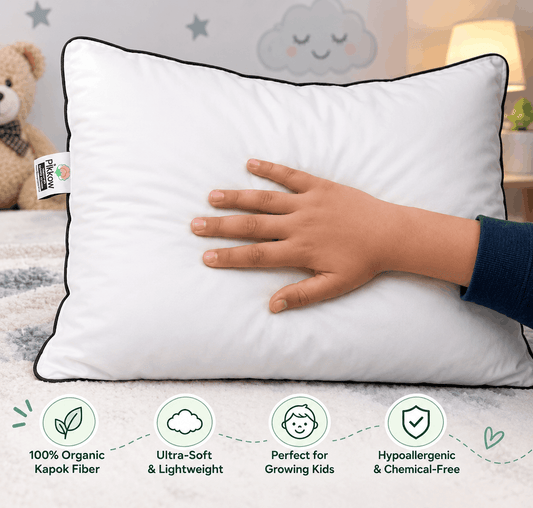
As interest in semal and kapok fibers grows, brands like Pikkow are helping bridge tradition and modern design. Pikkow’s pillows use plant-based fibers such as kapok (closely related to semal in feel and function) combined with organic cotton covers.
This approach preserves the essence of heritage bedding India values while meeting modern expectations for hygiene, consistency, and durability. It’s a quiet but meaningful evolution of the traditional semal pillow for today’s wellness-focused homes.
Why Semal Pillows Suit the Indian Climate Perfectly
India’s climate demands bedding that can handle heat, humidity, and long summers. Semal naturally excels here.
A semal pillow for Indian climate:
-
Prevents overheating
-
Absorbs minimal moisture
-
Remains light even in humid conditions
-
Encourages deeper sleep without discomfort
This makes it particularly suitable for non-air-conditioned homes and eco-conscious households.
The Future of Semal in Modern Sleep
As consumers become more informed, the move toward natural sleep products India trusts is accelerating. Semal pillows are no longer seen as old-fashioned—they are being reframed as intelligent, sustainable, and wellness-oriented choices.
From urban apartments to mindful retreats, semal pillows in modern wellness homes represent a return to balance—where comfort, tradition, and health coexist.
Conclusion: Tradition Reimagined for Modern Wellness
The revival of semal pillows is not a trend—it’s a correction. A reminder that India already had climate-smart, health-conscious sleep solutions long before synthetic bedding took over.
By choosing semal or kapok-based pillows, modern households are reconnecting with natural wisdom while supporting sustainable living. Whether through traditional craftsmanship or thoughtfully designed options like Pikkow pillows, the essence remains the same: sleep should be breathable, supportive, and free from harm.
Sometimes, the future of wellness lies in remembering what once worked beautifully.
FAQs
1. What is a semal pillow made of?
Semal pillows are filled with silk cotton fiber from the Bombax ceiba tree, a natural and plant-based material.
2. Are semal pillows good for back and neck support?
Yes, they provide gentle, adaptive support that helps reduce stiffness without creating pressure points.
3. How are semal pillows different from memory foam?
Semal pillows are breathable and chemical-free, while memory foam traps heat and may contain synthetic additives.
4. Are semal pillows suitable for Indian weather?
Absolutely. Their airflow and cooling properties make them ideal for warm and humid climates.
5. Are modern brands offering semal-style pillows?
Yes. Brands like Pikkow offer kapok-based pillows that share many benefits of traditional semal while meeting modern quality standards
Also Read :
How Natural Fibers Help Maintain Spinal Alignment While Sleeping
The Rise of Natural Bedding: Sleep Trends We Predict for 2026
Is Semal the Most Underrated Organic Bedding Material in India?
The Science of Natural Temperature Regulation in Kapok Pillows
Customer Stories 2025: How Switching to Kapok Changed Their Sleep