
Introduction: Why Softness Matters in Sleep
Sleep is one of the most essential parts of human life, yet the way we experience comfort while sleeping has changed dramatically over centuries. Today, when we think about comfort, the first thing that comes to mind is a soft, cozy pillow that supports the head just right. The concept of Soft Pillow Benefits goes far beyond luxury—it directly impacts sleep quality, posture, and overall health.
But have you ever wondered how pillows became soft in the first place? The journey from hard stone headrests to plush, cloud-like cushions is a fascinating story of innovation, culture, and human needs.
Ancient Beginnings: When Pillows Were Hard
The earliest pillows were nothing like what we use today. In ancient civilizations like Mesopotamia, Egypt, and China, pillows were made from stone, wood, or ceramic. These were not designed for comfort but for practicality. They kept insects away, protected hairstyles, and symbolized social status.
Comfort wasn’t a priority back then. The idea of softness simply didn’t exist in the context of sleep. This makes the modern discussion of Soft vs hard pillow even more interesting because historically, hard pillows were the norm.
The Cotton Revolution: A Shift Toward Comfort
The real turning point in pillow history came with the introduction of softer materials. During the medieval period, pillows stuffed with natural materials like straw, feathers, and especially cotton started gaining popularity.
The Cotton pillow history marks a major milestone in the evolution of sleep comfort. Cotton, being soft, breathable, and easily available, became a preferred filling material. Unlike straw or wood, cotton could mold to the shape of the head, offering better support and comfort.
This was the beginning of what we now call the Pillow comfort evolution, where functionality met comfort.

Industrial Era: Mass Production and Innovation
As industries developed, so did the design and production of pillows. The Industrial Revolution made it possible to manufacture pillows on a larger scale using improved materials and techniques.
People started exploring different fillings like:
- Feather and down for luxurious softness
- Cotton blends for affordability and comfort
- Wool for warmth and durability
This era made soft pillows more accessible to the general population, not just the wealthy.
How Sleeping Positions Influence Pillow Softness
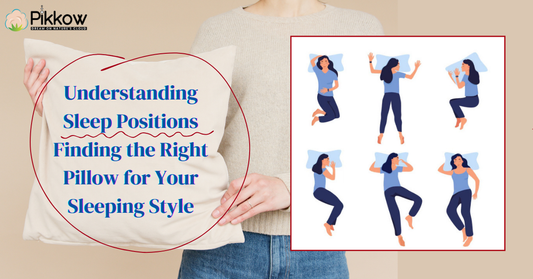
Not all sleepers experience comfort in the same way, which is why pillow softness plays a crucial role depending on sleeping posture. Side sleepers often benefit the most from soft pillows because they allow gentle cushioning between the head and shoulder, reducing strain. On the other hand, stomach sleepers prefer softer options to avoid neck stiffness, while back sleepers may choose a balanced softness that provides both comfort and support. This connection between posture and material further highlights the importance of Soft Pillow Benefits in everyday sleep quality.
Psychological Comfort: The Hidden Power of Soft Pillows
Beyond physical support, soft pillows also contribute to psychological comfort. The feeling of sinking into a plush pillow can trigger relaxation and reduce stress levels after a long day. This sensory experience is part of why modern consumers are drawn to softer bedding products. The ongoing Pillow comfort evolution is not just about materials but also about how sleep environments influence mental well-being. A soft pillow can create a sense of security and calm, making it easier to fall asleep and stay asleep longer.
Choosing the Right Soft Pillow for Your Needs
With so many options available today, selecting the right pillow can feel overwhelming. Factors like material, loft, and durability all play a role in finding the perfect fit. Thanks to advancements in Modern pillow materials, users can now choose pillows tailored to their specific needs, whether it’s cooling features, hypoallergenic fabrics, or ergonomic support. Platforms like Pikkow make it easier to explore these options and find a pillow that balances comfort and functionality, ensuring you experience the full range of Soft Pillow Benefits in your daily life.
Modern Pillow Materials: The Science of Comfort
Today, pillows are engineered with precision. The rise of Modern pillow materials has transformed how we sleep. Memory foam, latex, microfiber, and gel-infused materials are designed to provide optimal support and comfort.
Here are some of the most popular modern materials:
- Memory foam adapts to head and neck shape
- Latex offers firm yet responsive support
- Microfiber provides a soft, budget-friendly option
- Gel-infused foam helps regulate temperature
These advancements have significantly enhanced Soft Pillow Benefits, making sleep healthier and more restorative.

Soft vs Hard Pillow: Which One Is Better?
The debate around Soft vs hard pillow continues even today. While soft pillows are widely loved, hard pillows still have their niche users.
Comparison Table: Soft vs Hard Pillow
|
Feature |
Soft Pillow |
Hard Pillow |
|
Comfort Level |
High, plush feel |
Firm, structured |
|
Neck Support |
Moderate, adjustable |
Strong, fixed support |
|
Sleep Position |
Best for side & stomach |
Best for back sleepers |
|
Pressure Relief |
Excellent |
Limited |
|
Popularity |
Very high |
Moderate |
Soft pillows are generally preferred because they reduce pressure points and enhance relaxation, which aligns perfectly with the idea of modern comfort.
The Rise of Comfort Culture
In today’s fast-paced world, comfort has become a priority. People are investing more in sleep products than ever before. Brands and platforms like Pikkow are focusing on delivering high-quality sleep solutions that prioritize softness, support, and durability.
This shift shows how deeply the concept of Pillow comfort evolution is tied to lifestyle changes. Sleep is no longer just a necessity—it’s an experience.
Why Soft Pillow Benefits Matter Today
Soft pillows are not just about feeling good—they contribute to better health and well-being. Here’s why they matter:
- They reduce neck and shoulder tension
- Improve sleep quality by enhancing comfort
- Adapt to different sleeping positions
- Help in stress relief and relaxation
These Soft Pillow Benefits are the reason why soft pillows dominate the market today.
The Future of Soft Pillows
The journey doesn’t stop here. The future of pillows is heading toward smart technology and sustainable materials. Imagine pillows that adjust firmness automatically or track your sleep patterns.
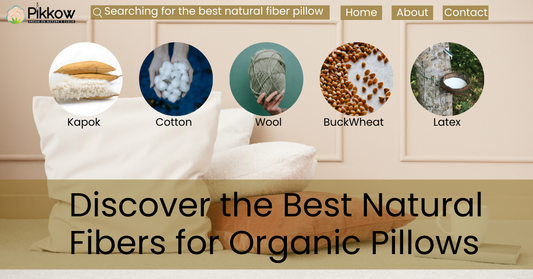
Eco-friendly materials like bamboo fiber and organic cotton are also gaining popularity, continuing the legacy of the Cotton pillow history while aligning with modern sustainability goals.
Conclusion: From Stone to Softness
The evolution of pillows is a testament to human innovation and the desire for comfort. From hard stone supports to ultra-soft, scientifically designed cushions, pillows have come a long way.
Today, the importance of Soft Pillow Benefits is undeniable. They are not just accessories but essential tools for better health and restful sleep. As technology continues to evolve, one thing remains constant—our love for comfort.
FAQs
1. What are the main soft pillow benefits?
Soft pillows provide better comfort, reduce pressure on the neck and shoulders, and improve overall sleep quality. They adapt to your sleeping position, making them ideal for relaxation and stress relief.
2. Which is better: soft vs hard pillow?
It depends on your sleeping style. Soft pillows are great for side and stomach sleepers, while hard pillows offer better support for back sleepers. However, most people prefer soft pillows due to their comfort.
3. What is the history behind cotton pillows?
The cotton pillow history dates back to medieval times when cotton became a popular filling material due to its softness, breathability, and availability, marking a shift toward comfort-focused sleep.
4. What are modern pillow materials made of?
Modern pillow materials include memory foam, latex, microfiber, and gel-infused foam. These materials are designed to enhance comfort, support, and temperature regulation.
5. How has pillow comfort evolved over time?
The pillow comfort evolution has moved from hard materials like stone and wood to soft, advanced materials like memory foam, reflecting a growing focus on health, comfort, and better sleep quality.