
At first touch, many pillows feel soft, plush, and inviting. That initial comfort often convinces us that we’ve found the perfect pillow. But what happens after a few weeks—or months—of use? For many people, restless nights, sweating, neck stiffness, and allergies slowly creep in. This raises an important question: is synthetic pillow stuffing truly designed for healthy sleep, or is it just an illusion of comfort?
As awareness around sleep health grows, more people are starting to question what goes inside their pillows. Understanding the hidden effects of synthetic materials can help you make better choices for long-term comfort, health, and sustainability.
What Is Synthetic Pillow Stuffing?
Synthetic pillow stuffing refers to man-made fibers such as polyester pillow filling, microfiber pillow blends, and other forms of artificial pillow stuffing. These materials are derived primarily from plastic-based sources and engineered to imitate the softness of natural fillings like cotton or down.
Common examples include microfiber pillows, hollow fiber pillows, and polyester-filled pillows. While they are widely available and affordable, their performance over time is very different from natural alternatives. The structure of synthetic pillow stuffing often lacks breathability and resilience, which directly impacts sleep quality.
The Short-Lived Comfort Effect
One of the biggest reasons synthetic pillows are popular is their immediate softness. When new, a microfiber pillow can feel fluffy and supportive. Unfortunately, this comfort often fades quickly.
With regular use, synthetic fibers compress, clump, and lose shape. This leads to uneven head and neck support, poor spinal alignment, and increased pressure points. What once felt cozy begins to feel flat or lumpy, forcing the body into unnatural sleeping positions.
This short lifespan is a key issue when comparing natural vs synthetic pillows, especially for people who already experience neck or shoulder discomfort.
Heat Retention and Breathability Problems
A major drawback of synthetic pillow stuffing is heat retention. Plastic-based fibers do not allow air to circulate efficiently. Instead, they trap body heat and moisture close to the skin.
This often results in:
-
Excessive sweating during sleep
-
Frequent tossing and turning
-
Disrupted sleep cycles due to overheating
For people living in warm or humid climates, these pillow breathability issues can significantly reduce sleep comfort. A heat trapping pillow not only affects sleep quality but can also lead to long-term discomfort and irritation.
Health Effects of Synthetic Pillows
Beyond comfort, there are growing concerns about synthetic pillows health effects. Many artificial pillow stuffing materials undergo chemical treatments during manufacturing, including flame retardants and bonding agents.
Over time, exposure to these chemical treated pillows may contribute to:
-
Skin irritation and rashes
-
Increased allergy symptoms
-
Respiratory discomfort
Because synthetic pillows also trap moisture, they can become breeding grounds for dust mites, making them less suitable as an asthma friendly pillow option. For people with sensitive skin or allergies, these issues often become noticeable quickly.
Microplastics in Bedding: An Invisible Risk
One of the lesser-known issues with synthetic pillow stuffing is microplastic shedding. As synthetic fibers wear down, they release microscopic plastic particles into the air and bedding dust.
These microplastics in bedding can be inhaled during sleep, adding to indoor air pollution. While research is still ongoing, this exposure is especially concerning for children, elderly individuals, and people with respiratory sensitivities.
This problem also highlights the environmental cost of plastic pillow filling beyond personal health.
Odor, Hygiene, and Maintenance Issues
Pillow hygiene is essential for healthy sleep. Synthetic pillows tend to absorb sweat and oils but do not dry easily. This leads to unpleasant pillow odor problems over time.
Even after washing, many synthetic pillows retain smells or lose their shape. Frequent washing further damages the fiber structure, shortening the pillow’s lifespan and increasing replacement frequency.
When looking at pillow lifespan comparison, synthetic pillows often require replacement within 6–12 months, making them less economical in the long run.
Natural vs Synthetic Pillows: A Clear Difference
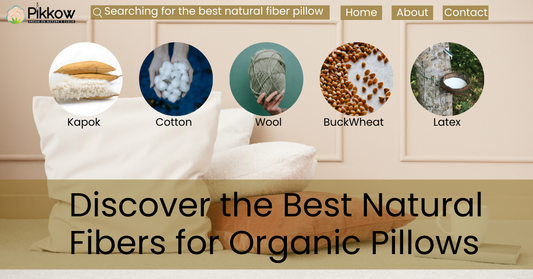
Comparing natural vs synthetic pillows reveals why many people are switching. Natural fibers like cotton and kapok regulate temperature, release moisture, and maintain loft more evenly.
In a kapok vs polyester comparison, kapok’s hollow fiber structure allows airflow, while polyester traps heat. Similarly, cotton vs microfiber pillow options show better breathability and comfort with natural materials.
These differences directly influence sleep quality, especially for people who struggle with sweating, allergies, or restless sleep.
Why More People Are Choosing Natural Alternatives
As awareness grows around sleep wellness and sustainability, many sleepers are turning toward eco friendly bedding. Natural materials offer comfort without relying on petroleum-based plastics or heavy chemical processing.
This shift isn’t just about comfort—it’s about long-term health, environmental responsibility, and better sleep hygiene.
Where Pikkow Fits into the Conversation
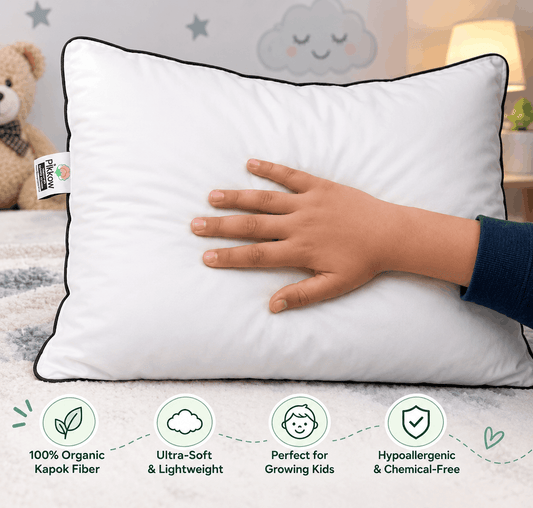
This growing interest in natural sleep solutions is where brands like Pikkow naturally come into the picture. Instead of relying on synthetic pillow stuffing, Pikkow focuses on kapok—a breathable, plant-based fiber that supports comfort without heat buildup or chemical exposure.
Kapok pillows provide gentle support, adapt naturally to sleeping positions, and feel lighter throughout the night. By choosing natural materials, Pikkow aligns with the idea that good sleep should feel effortless and safe.
Sustainability Matters in Sleep Products
Synthetic pillows are difficult to recycle and contribute to plastic waste once discarded. Over time, this adds to landfill pollution and environmental damage.
Natural fillings like kapok are biodegradable and renewable, making them a better choice for sustainable sleep products. Choosing responsibly made pillows reduces environmental impact while supporting healthier sleep.
When Should You Replace a Synthetic Pillow?
If you currently use a synthetic pillow, watch for signs that it may be affecting your sleep:
-
Persistent neck or shoulder pain
-
Noticeable flattening or lumps
-
Strong odors that don’t wash out
These signs usually appear sooner with synthetic fillings than with natural ones.
Conclusion: Illusion or Hazard?
While synthetic pillows promise softness, they often fall short when it comes to breathability, hygiene, and long-term comfort. Heat retention, chemical exposure, microplastics, and short lifespan raise serious questions about synthetic pillow stuffing as a healthy sleep choice.
Natural alternatives offer a more balanced solution—supporting the body, improving airflow, and reducing environmental impact. Brands like Pikkow, which use kapok instead of synthetic fillings, reflect this shift toward cleaner, more mindful sleep.
The next time you choose a pillow, look beyond the surface. Real comfort supports your health, not just your head.
FAQs
1. Is synthetic pillow stuffing harmful?
It can trap heat, retain moisture, and may contain chemical treatments that affect sensitive sleepers.
2. Why do synthetic pillows cause sweating?
Plastic-based fibers restrict airflow, leading to heat and moisture buildup during sleep.
3. Are microfiber pillows healthier than polyester pillows?
Microfiber is still synthetic and shares similar breathability and hygiene issues.
4. How do kapok pillows compare to synthetic pillows?
Kapok pillows are breathable, lightweight, and free from plastic-based materials.
5. How often should synthetic pillows be replaced?
Most need replacement every 6–12 months due to flattening and hygiene issues.
Also Read :
Pillows Natural Materials: Healthy Eco-Friendly Sleep
Rest Is a Right: How Quality Sleep Builds a Healthier and Stronger Nation
Republic Day Special: Why Choosing Eco-Friendly Bedding Is a Responsible Indian Choice
Freedom to Sleep Naturally: Organic Kapok Pillows for Republic Day | Pikkow
Ceiba Pentandra Explained: Why This Natural Fiber Is Redefining Healthy Pillows