Most of us know that sleep is essential. But very few people realize that what you sleep on can influence how deeply you sleep — even more than how long you sleep. Surprisingly, scientists now confirm that your bedding materials can affect your hormones, temperature regulation, breathing quality, and emotional state.
This is where natural bedding benefits come into the picture — a powerful, science-backed way to support deeper rest, healthier sleep cycles, and a calmer mind.
In India, where hot nights, dust, humidity, allergens, and rising pollution affect millions of bedrooms, the shift toward natural bedding like organic cotton, linen, wool, and Kapok pillows is growing rapidly. And science is finally validating what traditional Indian wisdom has said for centuries — natural materials help the body sleep better.
Let’s explore what researchers are discovering and why natural bedding — especially materials like Kapok — may be one of the simplest ways to experience better sleep naturally.
Why Scientists Are Studying Bedding Materials More Closely
Sleep researchers across the world are exploring how fabrics and fibers affect our physiology. Bedding isn't just something you lie on — it interacts with:
-
Skin sensitivity
-
Body temperature
-
Breathing quality
-
Airflow around the face
-
Allergen exposure
-
Hormonal balance
-
Circadian rhythm function
That’s why scientists now examine sleep quality science through the lens of bedding choices. Synthetic mattresses, polyester pillows, and microfiber sheets were convenient innovations — but they came with hidden consequences.
1. Scientific Concern
Synthetic materials trap heat
Memory foam, microfiber, and polyester are all made from plastic-based fibers that do not breathe. This causes overheating, sweating, dehydration, and repeated sleep interruptions.
The body must cool down by 1–1.5°C to enter deep sleep. If your pillow traps heat, your sleep cycles never fully reset.
2. Scientific Concern
Synthetic fibers release microplastics
Microparticles entering the airway during sleep may cause inflammation, allergies, and breathing discomfort — all linked to reduced slow-wave sleep.
3. Scientific Concern
Chemical exposure affects sleep hormones
Many synthetic pillows contain residues of:
-
Formaldehyde
-
Volatile organic compounds (VOCs)
-
Fire retardants
-
Adhesives
Recent research shows that chemical exposure at night may disrupt melatonin and cortisol, affecting sleep depth and circadian rhythms.
All of this leads scientists to the same conclusion: natural bedding benefits are not just physical — they’re hormonal, neurological, and emotional.
The Science of How Natural Materials Improve Deep Sleep
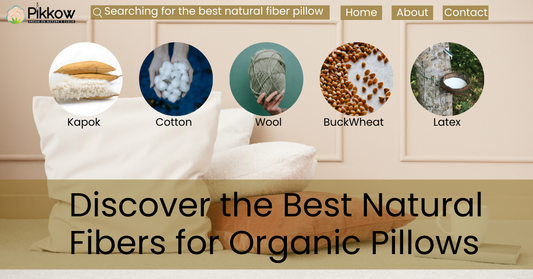
Natural fibers like cotton, Kapok, bamboo, wool, and natural latex work with your biology rather than against it.
Here’s what sleep researchers have confirmed:
1. Natural fibers regulate temperature more effectively
Deep sleep requires stable temperature. Natural fibers are breathable, moisture-wicking, and thermoregulating.
-
Cotton and Kapok allow air circulation.
-
Kapok contains hollow fiber structures that prevent heat buildup.
-
Wool regulates humidity naturally.
This keeps your body at the optimal temperature for REM sleep and slow-wave sleep, the most restorative sleep stages.
Using natural bedding is scientifically shown to reduce sleep interruptions caused by discomfort and overheating.
2. Natural bedding improves air quality around the sleeper
The airflow around your nose and mouth directly impacts sleep depth. Synthetic pillows block airflow, while natural pillow materials allow better breathability.
Kapok, in particular, is known for being incredibly light and airy — improving ventilation and reducing microplastic inhalation risks.
Better breathing at night supports:
-
Lower heart rate
-
Stable oxygen levels
-
Longer deep sleep cycles
This is one of the most underrated natural bedding benefits.
3. Natural fibers support healthy sleep hormones
Your bedding environment influences:
-
Melatonin (sleep hormone)
-
Cortisol (stress hormone)
-
Serotonin (mood hormone)
Overheating, allergens, and chemical exposure raise cortisol and lower melatonin. In contrast, natural fibers create a clean, cool, safe environment — ideal for hormone balance and circadian rhythm support.
Studies show that natural, toxin-free bedding helps sleepers reach REM faster and stay in deep sleep longer.
4. Natural bedding reduces allergy triggers
Allergic irritation is a major disruptor of deep sleep. Symptoms like congestion, itching, sneezing, watery eyes, and a dry throat are clear indicators that your bedding may be the culprit.
Natural materials:
-
Have no chemical residues
-
Do not shed microplastics
-
Are naturally hypoallergenic
-
Resist dust mites and mold
This makes them essential for families with children, elders, and sensitive sleepers.
5. Natural fibers create a calming sensory environment
Sleep is deeply psychological. The brain responds to touch, breathability, smell, and temperature signals.
Natural textures are scientifically associated with:
-
Lower stress
-
Faster relaxation onset
-
Enhanced emotional comfort
These effects contribute to the profound natural bedding benefits now recognized by sleep wellness research.
Why Kapok Stands Out Among Natural Materials
While cotton and bamboo are wonderful, Kapok offers unique advantages that match the Indian climate particularly well.
Kapok Pillow Science — What Makes It Special?
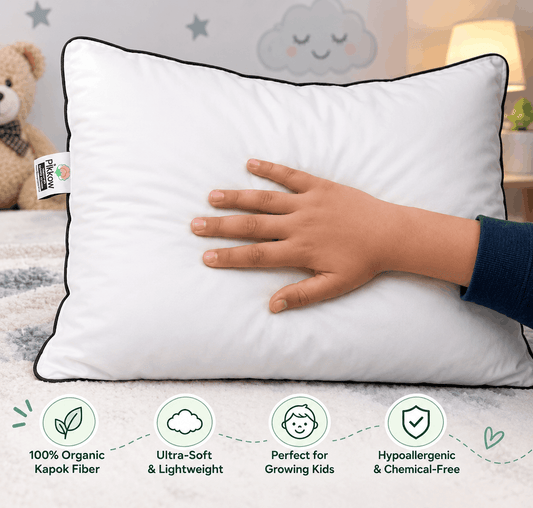
Kapok fiber is:
-
8 times lighter than cotton
-
Naturally moisture-resistant
-
Hypoallergenic
-
Airy and breathable
-
Completely chemical-free
-
Biodegradable and plant-based
This makes Kapok pillows ideal for:
-
Hot sleepers
-
Allergy-prone individuals
-
Children and elders
-
Those seeking sustainable bedroom habits
The science is clear: Kapok supports deeper sleep by balancing airflow, temperature, and comfort levels naturally.
Why Many Indians Choose PIKKOW Kapok Pillows
As India’s awareness of natural bedding benefits grows, brands like PIKKOW are leading the movement with handcrafted Kapok pillows designed for deeper, cleaner, and healthier sleep.
PIKKOW pillows are:
-
Filled with pure, natural Kapok fiber
-
Covered in GOTS-certified organic cotton
-
Handcrafted without chemicals or synthetic additives
-
Excellent for improving air quality and deep sleep
They align perfectly with the latest sleep wellness research, offering bedding designed to support both physiology and psychology.
Not a sales pitch — simply a natural solution backed by modern science and traditional Indian values.
How Natural Bedding Helps You Support a Sustainable Bedroom Habit
Switching to natural materials helps both your sleep and the planet. Natural bedding:
-
Reduces synthetic waste
-
Eliminates microplastic exposure
-
Uses renewable plant fibers
-
Lasts longer due to durability
-
Encourages a toxin-free home
Better for you, better for your kids, better for India’s future.
Comparison Chart: Natural Bedding vs Synthetic Bedding
|
Feature |
Natural Fibers |
Synthetic Fibers |
|
Breathability |
Excellent |
Poor |
|
Heat Retention |
Low |
High |
|
Allergy Risk |
Low |
High |
|
Microplastics |
None |
High |
|
Chemical Exposure |
None |
Likely |
|
Comfort Level |
Soft & breathable |
Dense & sweaty |
|
Sustainability |
High |
Low |
Conclusion: The Science Is Clear — Natural Bedding Leads to Deeper Sleep
For years, people assumed bedding didn’t matter. But now, science confirms the secret link many wellness experts already suspected — natural bedding works with your body’s biology, not against it.
With benefits ranging from improved temperature regulation to stronger circadian rhythms, reduced allergens, and deeper psychological calm, natural bedding benefits are undeniable.
If you're looking to improve your sleep without medication, gadgets, or drastic lifestyle changes, upgrading to natural bedding — especially a Kapok pillow like PIKKOW — is one of the simplest and most powerful changes you can make.
Your sleep affects your mood, memory, hormones, immunity, and longevity.
Your bedding affects your sleep.
So choose the materials that help you sleep the way nature intended.
FAQs
1. How do natural bedding materials improve deep sleep?
Natural materials improve airflow, regulate temperature, and reduce allergens — all essential for uninterrupted deep sleep.
2. Does Kapok really help with sleep quality?
Yes. Kapok’s breathability, lightness, and hypoallergenic nature help you stay cool and comfortable, supporting deeper sleep cycles.
3. Are natural bedding materials better for REM sleep?
Yes — natural bedding prevents overheating, which is one of the biggest disruptors of REM sleep.
4. Why does synthetic bedding reduce sleep quality?
Synthetic bedding traps heat, releases chemicals, and sheds microplastics — all of which interfere with the body’s natural sleep rhythms.
5. Are PIKKOW pillows safe for kids and elders?
Absolutely. PIKKOW uses natural Kapok fiber and organic cotton covers, making them safe, hypoallergenic, and ideal for all ages.
Also Read :
5 Signs Your Pillow Is Secretly Disrupting Your Sleep Cycle
Designing a Green Bedroom: Small Swaps That Make a Big Impact
Kapok and Ayurveda: The Natural Harmony of Healing Sleep
Top 10 Sleep Essentials to Start 2026 Stress-Free and Rested
How Pikkow Became India’s Most Trusted Natural Sleep Pillow in 2025