
A pillow plays a crucial role in comfortable, restful sleep. While people often pay attention to their mattress, the material inside a pillow can be just as important. The right filling can influence softness, support, breathability, and how the pillow feels throughout the night.
Kapok has become increasingly popular among people looking for natural pillow fillings. Its lightweight, silky fibres offer a distinctive alternative to conventional synthetic fillings. However, not every pillow marketed as “kapok” necessarily contains pure kapok. Some products may use blends, synthetic fibres, or other materials that can change the pillow’s feel and performance.
That is why knowing how to identify pure kapok can help you make a more informed purchase.
In this guide, we’ll explain seven simple ways to examine kapok filling, compare pure kapok vs adulterated filling, discuss common signs of a fake kapok pillow, and explain what to look for when buying a genuine kapok pillow in India. We’ll also cover how kapok compares with polyester and cotton and answer common questions about purity, pricing, and quality.
What Is Kapok Fibre?
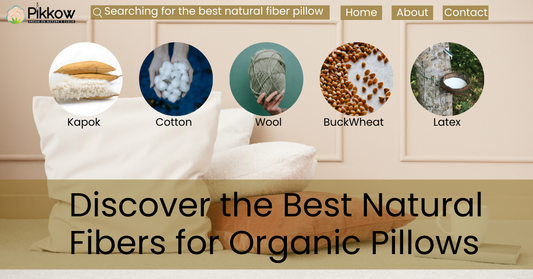
Kapok is a natural fibre obtained from the seed pods of the kapok tree. The fibres are lightweight and have a soft, silky texture. Unlike many conventional pillow fillings, kapok has a naturally airy structure, which is one reason it is used in cushions, mattresses, and pillows.
Kapok is known as semal in Hindi, ilavam panju in Tamil, shimul tula in Bengali, and buruga in Telugu.
For pillow users, one of the biggest attractions of kapok is its distinctive combination of lightness and softness. However, natural kapok also has characteristics that make it different from cotton and synthetic fillings.
This difference is useful when trying to determine whether a pillow genuinely contains kapok.
How Can You Tell If Kapok Is Pure?
There is no single household test that can guarantee fibre purity with laboratory-level certainty. However, several simple checks can help you identify obvious adulteration.
A reliable approach is to combine:
- Visual inspection
- Touch and texture
- Fibre structure
- Water behaviour
- Odour check
- Filling consistency
- Seller and product verification
Let's look at each test in detail.
7 Simple Tests to Identify Pure Kapok

1. Examine the Fibre Appearance
Start with a small amount of filling if the product allows you to inspect it.
Pure kapok generally appears as very light, fine, fluffy fibres. Individual fibres can look somewhat silky and cotton-like but are noticeably lighter than ordinary cotton.
Look for:
- Very lightweight fibres
- Soft, fluffy appearance
- Fine, smooth-looking strands
- A naturally airy structure
- Lack of uniform plastic-like fibres
Synthetic fillings can sometimes appear more uniform or springy. If you notice obvious shiny strands, plastic-like filaments, or highly uniform synthetic clusters mixed into the filling, further investigation may be worthwhile.
This visual check is only an initial indicator—not proof of purity.
2. Feel the Filling Between Your Fingers
Texture is another useful clue when learning how to know if a kapok pillow is real.
Genuine kapok tends to feel exceptionally light and silky. It can feel soft and slightly slippery compared with ordinary cotton. At the same time, its fibres do not necessarily behave like fluffy polyester balls.
Take a small amount and gently rub it between your fingertips.
Pure kapok may feel:
- Silky
- Light
- Smooth
- Soft
- Airy
A synthetic filling may feel springier, more elastic, or more plastic-like.
Cotton generally feels denser and more fibrous, while kapok tends to have a noticeably lighter touch.
3. Check the Fibre Structure
One of the most useful ways to understand how to check kapok pillow quality is to examine the structure rather than relying only on the word “natural.”
Kapok fibres are hollow and lightweight. This structure contributes to their buoyancy and airy feel.
If you have access to loose filling, gently separate a few fibres and observe them under good lighting. Genuine kapok tends to have a fine, delicate appearance rather than looking like tightly crimped synthetic stuffing.
However, visual inspection alone cannot reliably distinguish every natural and synthetic fibre. Some synthetic materials are specifically designed to resemble natural fillings.
For that reason, combine this test with the others.
4. Does Pure Kapok Float on Water?
Yes, kapok is known for its buoyancy and can float because its fibres are lightweight and contain air.
This makes water behaviour a potentially useful test to check pure kapok fibre at home.
Place a very small, loose sample of filling on the surface of clean water. Genuine kapok fibres can remain buoyant rather than immediately becoming waterlogged.
However, do not treat floating as a definitive purity test.
Other lightweight materials can also float, and the result can change depending on how the fibres are processed, compressed, coated, or mixed with other materials.
Therefore, the water test should be considered one clue among several—not a laboratory confirmation.
5. Check the Smell
People often ask, “Does pure kapok smell?”
Clean, properly processed kapok generally should not have a strong chemical or plastic-like smell.
A mild natural or neutral smell can occur, particularly with minimally processed natural fibres. However, a strong artificial, solvent-like, or persistent chemical odour may deserve attention.
Keep in mind that packaging, storage conditions, adhesives, treatments, and other materials can also influence odour.
So again, smell alone cannot establish whether a pillow is genuine.
6. Look for Uneven or Unusual Filling
One common concern among buyers is a kapok pillow mixed with polyester.
A mixed filling may behave differently from pure kapok. You might notice that some areas feel extremely soft while others feel springy or synthetic.
Try gently pressing different parts of the pillow.
Pay attention to:
- Uneven density
- Different textures in different areas
- Unusually springy sections
- Plastic-like fibres
- Clusters that feel different from the rest of the filling
This can help you identify potential mixing, although only professional fibre testing can confirm the exact composition.
7. Verify the Product and Seller
Perhaps the most practical test is not performed on the fibre at all.
Before purchasing, check:
- Fibre composition
- Product specifications
- Manufacturer information
- Return policy
- Customer reviews
- Packaging details
- Whether the seller clearly states what the filling contains
A trustworthy seller should be transparent about the material rather than simply using phrases such as “natural,” “organic,” or “eco-friendly.”
If you're shopping for a genuine kapok pillow in India, look for clear product information and a brand that explains its material sourcing and construction.
Pure Kapok vs Adulterated Filling: What Is the Difference?
Understanding pure kapok vs adulterated filling can help you recognise why the composition of a pillow matters.
|
Feature |
Pure Kapok |
Mixed/Adulterated Filling |
|
Feel |
Very light and silky |
May feel heavier or synthetic |
|
Texture |
Soft and airy |
May contain springy or plastic-like fibres |
|
Buoyancy |
Naturally buoyant |
Behaviour depends on added material |
|
Breathability |
Naturally airy |
Depends on the blend |
|
Consistency |
Distinctive kapok texture |
May vary considerably |
|
Labelling |
Clearly identifies composition |
May use vague material descriptions |
The word “adulterated” should be used carefully. A blend is not automatically unsafe or poor quality. Some manufacturers intentionally combine materials to achieve particular levels of firmness, durability, or cost.
The important point is transparency.
A pillow should accurately state what it contains.
How to Spot a Fake Natural Pillow Filling
Natural marketing terms can sometimes make product selection confusing.
A pillow described as “natural” does not necessarily mean that every fibre inside it is a single natural material.
When learning how to spot fake natural pillow filling, look beyond marketing language.
Instead of relying only on phrases such as:
- Natural comfort
- Eco-friendly filling
- Nature-inspired
- Organic feel
- Premium soft filling
check the actual material composition.
A transparent product description is much more useful than a collection of marketing claims.
Kapok vs Polyester Filling
The comparison between kapok vs polyester filling is particularly useful for pillow shoppers.
Polyester is a synthetic fibre widely used in pillows because it can be inexpensive, lightweight, and easy to manufacture. Kapok, on the other hand, is a plant-derived natural fibre with a different structure and feel.
Kapok
- Plant-derived fibre
- Extremely lightweight
- Naturally buoyant
- Soft and silky
- Distinctive natural texture
Polyester
- Synthetic fibre
- Often more uniform
- Can provide springiness
- Widely available
- Can be manufactured in different forms
Neither material automatically makes a pillow suitable for everyone. Personal preferences for firmness, loft, support, maintenance, and feel matter.
Kapok vs Cotton Filling
Another common comparison is kapok vs cotton filling.
Cotton is familiar to most consumers and has been used in bedding for generations. Kapok is lighter and has a different fibre structure.
|
Characteristic |
Kapok |
Cotton |
|
Origin |
Plant fibre |
Plant fibre |
|
Feel |
Silky and very light |
Soft but comparatively denser |
|
Structure |
Hollow/lightweight |
More substantial fibre structure |
|
Buoyancy |
High |
Generally lower |
|
Pillow feel |
Airy |
Traditionally soft and compact |
For someone who prefers an airy, lightweight pillow, kapok may provide a noticeably different experience from cotton.
Why Do Sellers Mix Polyester With Kapok?
You may wonder, “Why do sellers mix polyester with kapok?”
There can be several practical reasons.
Manufacturers may blend fibres to modify:
- Cost
- Firmness
- Loft
- Shape retention
- Availability
- Manufacturing characteristics
A blend is not automatically a bad product.
The concern arises when a product is marketed as pure kapok while containing a significant amount of another material without clearly disclosing it.
Transparent labelling allows customers to make an informed decision.
Why Is My Kapok Pillow Lumpy?
Why is my kapok pillow lumpy? This is a common question because natural loose-fill pillows can behave differently from tightly structured synthetic pillows.
Kapok fibres are exceptionally lightweight and can shift inside a pillow. Movement, compression, moisture, washing, or prolonged use can affect the distribution of filling.
Lumpiness can also occur when:
- The filling shifts during use
- The pillow is compressed for long periods
- The cover restricts fibre movement
- The pillow is not regularly fluffed
- Different materials have been mixed
- The filling has become uneven over time
Before assuming that lumpiness means poor quality, consider the pillow's construction and care instructions.
How to Know If Kapok Pillow Is Real
If you are trying to determine how to know if kapok pillow is real, avoid relying on just one trick.
Instead, consider the complete picture:
Material information → fibre appearance → texture → water behaviour → smell → filling consistency → seller transparency.
A reputable manufacturer should be able to tell you exactly what the pillow contains.
For higher confidence, fibre identification through professional testing is more reliable than home tests.
Test to Check Pure Kapok Fibre at Home
For people searching for a simple test to check pure kapok fibre at home, the best approach is to use several non-destructive observations.
A simple home checklist
Step 1: Inspect the loose fibre under bright light.
Step 2: Feel a small amount between your fingers.
Step 3: Look for unusually shiny or plastic-like strands.
Step 4: Test a tiny sample in water and observe its buoyancy.
Step 5: Check for strong artificial odour.
Step 6: Compare the texture across different parts of the pillow.
Step 7: Review the manufacturer's material information.
These checks can identify obvious inconsistencies, but they cannot certify fibre purity.
Pure Semal Cotton Pillow Online India: What Should Buyers Check?
People searching for a pure semal cotton pillow online in India should be especially careful about terminology.
“Semal” is commonly associated with the kapok tree and its lightweight fibre. However, product names and regional terminology can vary between sellers.
Before purchasing online, check:
- Exact filling material
- Product weight
- Pillow dimensions
- Cover material
- Filling quantity
- Care instructions
- Manufacturer details
- Return policy
- Customer reviews
Don't choose a pillow solely because its product title contains “pure,” “natural,” or “organic.”
The actual specifications are more informative.
How Pikkow Approaches Kapok Pillows
For customers looking for a naturally inspired sleep experience, Pikkow focuses on pillows designed around comfort and thoughtful material selection.
Kapok is particularly interesting because of its lightweight and airy characteristics. Pikkow's approach is to make the natural properties of the filling part of the overall pillow experience rather than treating the filling as an afterthought.
When choosing any pillow, however, comfort remains personal. Sleeping position, preferred firmness, pillow height, body shape, and individual comfort preferences can all influence which pillow feels right.
Pikkow can be considered by shoppers who specifically want to explore kapok-based pillow options and understand the material before making a purchase.
How Much Should a Pure Kapok Pillow Cost in India?
There isn't one universal price for a pure kapok pillow in India.
The cost can vary according to:
- Amount of kapok used
- Pillow size
- Cover fabric
- Construction quality
- Manufacturing process
- Brand
- Packaging
- Certification or testing
- Retail channel
A very low price should not automatically mean the product is fake, just as a high price does not automatically prove purity.
Instead, compare the material composition, filling quantity, construction, seller transparency, and overall specifications.
How to Choose a Good Kapok Pillow
Once you understand how to identify the filling, the next step is choosing a pillow that suits your sleeping style.
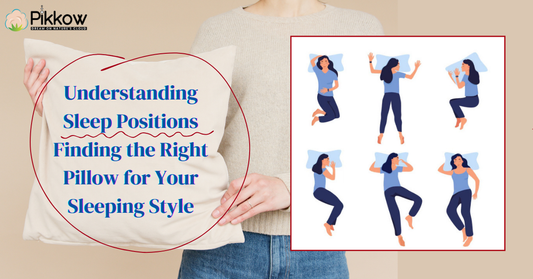
Consider your sleeping position
Side sleepers generally need more height and support to maintain comfortable alignment.
Back sleepers often prefer moderate loft.
Stomach sleepers commonly prefer a softer, lower-profile pillow.
Check the pillow's loft
Loft refers to the pillow's height or thickness when in its normal position.
A pillow that is too high or too low may feel uncomfortable regardless of how good the filling is.
Consider adjustability
Some loose-fill pillows allow users to add or remove filling. This can be useful for people who are unsure about their ideal pillow height.
Check the cover
The outer fabric matters too. A breathable, comfortable cover can contribute to the overall sleep experience.
Follow care instructions
Natural fibre pillows may have specific care requirements. Always follow the manufacturer's instructions rather than assuming the pillow can be machine washed.
Common Mistakes When Buying Kapok Pillows
Choosing only by the word “natural”
Natural does not automatically mean pure.
Assuming every floating fibre is kapok
Buoyancy is a characteristic of kapok, but it is not a definitive identification test.
Ignoring the filling composition
Always check the material information.
Choosing only by price
Price should be considered alongside filling quantity, construction, cover quality, and brand transparency.
Expecting every natural pillow to feel the same
Natural fillings can vary in texture, density, and construction.
Frequently Asked Questions
1.How can you tell if kapok is pure?
Look at the fibre's appearance, texture, buoyancy, smell, and consistency, and verify the manufacturer's material information. Home tests can provide clues but cannot guarantee purity. Professional fibre analysis is more reliable.
2.Does pure kapok float on water?
Kapok is naturally very lightweight and buoyant, so loose fibres can float on water. However, floating alone cannot prove that a pillow contains 100% pure kapok because other lightweight materials may also float.
3.What does real kapok fibre feel like?
Real kapok generally feels very light, soft, silky, and airy. Compared with cotton, it tends to feel less dense, while polyester can feel more springy or synthetic depending on its form.
4.Why do sellers mix polyester with kapok?
Kapok and polyester may be blended to change the pillow's cost, firmness, loft, durability, or handling characteristics. A blend isn't necessarily problematic when the composition is clearly disclosed.
5.Is kapok the same as cotton?
No. Kapok and cotton are both plant-derived fibres, but they come from different plants and have different physical structures. Kapok is particularly known for its extremely lightweight and buoyant fibres.
6.Does pure kapok smell?
Clean, properly processed kapok generally should not have a strong chemical smell. A mild natural odour may occur, while a persistent chemical or plastic-like smell may warrant further investigation.
7.How much should a pure kapok pillow cost in India?
There is no fixed price for a pure kapok pillow. Pricing varies based on filling quantity, size, cover material, construction, brand, manufacturing process, and other factors. Compare specifications rather than using price alone as proof of quality.
8.How can I identify a kapok pillow mixed with polyester?
Check whether different areas of the filling have noticeably different textures. Plastic-like or highly springy fibres may indicate synthetic material. However, visual and touch tests cannot reliably determine the exact percentage of polyester.
9.Can a kapok pillow become flat over time?
Like other loose-fill pillows, kapok can change shape with regular use and compression. Regular fluffing and following the manufacturer's care instructions can help maintain its shape.
10.Is kapok suitable for every sleeper?
Not necessarily. Pillow comfort is personal and depends on sleeping position, preferred loft, firmness, body structure, and individual preferences. The best pillow is one that provides the level of comfort and support appropriate for the sleeper.
Conclusion
Knowing how to identify pure kapok can make it easier to evaluate natural pillows before buying them. The fibre's lightweight, silky and buoyant characteristics make kapok different from both cotton and polyester, but no single home test can confirm purity with complete certainty.
The safest approach is to combine simple observations—appearance, texture, water behaviour, smell, and filling consistency—with transparent product information from the manufacturer.
If you're exploring a natural pillow for your sleep setup, Pikkow offers kapok-focused options for people interested in the distinctive feel of this lightweight natural fibre. Take the time to consider your sleeping position, preferred loft, filling composition, and care requirements before choosing.
A good pillow isn't simply about softness. The material, construction, support, and your individual sleeping needs all work together to create a comfortable sleep experience.