
Every Republic Day invites us to reflect on freedom, responsibility, and self-reliance. Beyond flags and celebrations, it’s a moment to think about how our everyday choices shape the future of India. In recent years, Vocal for Local has evolved from a national call into a deeply personal practice—one that now extends into our homes, our lifestyles, and even our bedrooms.
Sleep may seem like a private act, but the products we use for rest have a lasting impact on our health, environment, and economy. In 2025, many Indian households began rethinking synthetic bedding and turning toward natural alternatives. Among these, kapok pillows quietly stood out—not as a trend, but as a return to balance. Choosing a kapok pillow India trusts today is as much about sustainability as it is about better sleep.
Why Choosing Local and Nature-Based Products Matters Today
India’s push toward self-reliance is rooted in reducing dependency on imported, resource-heavy products. This is especially relevant in home essentials like pillows, which are often made from petroleum-based polyester or memory foam. These materials rely on global supply chains and chemical processing and contribute to long-term environmental waste.
A natural pillow brand rooted in plant-based materials represents a very different approach. It supports local sourcing, reduces plastic use, and aligns with a slower, more thoughtful way of consuming. When consumers choose kapok, they’re not just upgrading comfort—they’re participating in a broader shift toward responsible living.
Kapok: A Plant-Based Resource with Deep Indian Relevance
Kapok fiber comes from the fluffy seed pods of the kapok tree, which grows naturally in tropical regions. The tree does not need intensive farming, chemical fertilizers, or excessive water. Harvesting kapok does not involve cutting down the tree, making it a renewable and low-impact resource.
This makes kapok especially relevant for sustainable bedding India is moving toward. Its plant-based origin and minimal processing ensure a smaller environmental footprint compared to synthetic alternatives. At the same time, the fiber’s natural structure offers comfort qualities that modern sleepers increasingly seek.
Stories from 2025: How Kapok Changed Real Sleep Experiences
In 2025, conversations around sleep began to change. People were no longer just discussing mattress brands or gadgets, but how natural materials affected their daily energy and health.
Amit, a 39-year-old professional from Delhi, had struggled with restless sleep for years. Synthetic pillows left him overheating at night, causing frequent awakenings. When he switched to a kapok pillow, the change was immediate.
“It felt lighter, cooler, and more natural. I started sleeping through the night again.”
His experience reflects why the kapok pillow India market grew steadily in 2025. Breathability and airflow made a noticeable difference, especially in warmer climates.
Similarly, Meera from Kochi shared how her neck stiffness reduced after moving away from foam pillows. She described kapok as supportive without being rigid, allowing her neck to relax naturally. For her, choosing a natural pillow brand was about listening to her body rather than following marketing claims.
Why Kapok Works So Well for the Indian Climate
India’s climate demands materials that can adapt to heat and humidity. Synthetic pillows often trap warmth, leading to sweating, discomfort, and disrupted sleep. Kapok fibers, being hollow and airy, allow continuous airflow around the head and neck.
This natural ventilation is one of the key reasons kapok is increasingly seen as an eco-friendly pillow option that also delivers practical comfort. It performs well even in non-air-conditioned homes, making it suitable across regions and seasons.
From Synthetic Dependence to Conscious Choice
For decades, synthetic bedding dominated the market because it was marketed as modern and maintenance-free. However, growing awareness around chemicals, microplastics, and sustainability has led many consumers to question these assumptions.
Choosing kapok represents a conscious move away from plastic-based comfort toward something more honest and transparent. It aligns perfectly with the vocal for local philosophy—not just by supporting Indian resources, but by encouraging mindful consumption.
Where Pikkow Reflects These Values
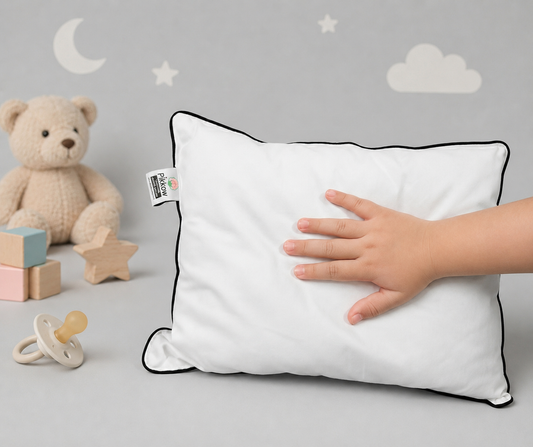
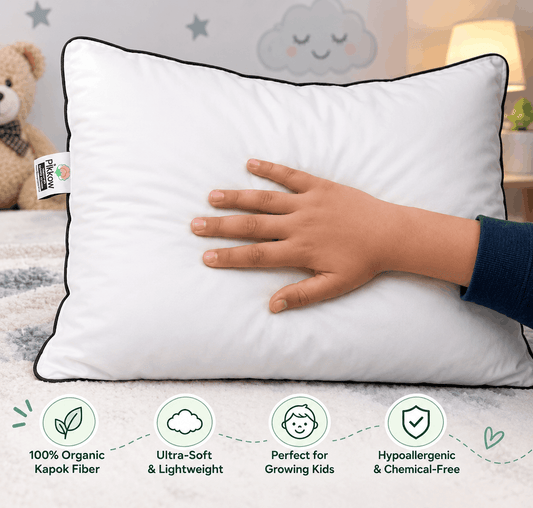
As interest in kapok grew, Indian brands began reintroducing this traditional material with modern care and consistency. Pikkow pillows emerged as an example of how local craftsmanship and contemporary standards can coexist.
By using natural kapok fiber and thoughtfully designed cotton covers, Pikkow reflects a commitment to ethical sourcing and minimal processing. For many households, it became a trusted natural pillow brand not because of heavy advertising, but because it aligned with their values of wellness and sustainability.
Sustainability Begins at Home
True sustainability doesn’t start with policies alone—it starts with everyday decisions. Bedding choices affect indoor air quality, exposure to synthetic materials, and long-term waste. Kapok pillows contribute to a cleaner sleep environment while reducing dependence on non-renewable resources.
This makes them an important part of sustainable bedding India is increasingly adopting, especially among families prioritizing health and environmental responsibility.
Ethical Sourcing and Community Impact
Kapok harvesting supports rural livelihoods and traditional knowledge systems. Because the fiber is collected without harming trees, it preserves ecosystems while creating economic opportunities. When consumers choose kapok, they support a supply chain that values balance over exploitation.
In this way, kapok pillows embody the spirit of vocal for local in a meaningful, grounded way.
Conclusion
Republic Day reminds us that independence is not static—it evolves through the choices we make as citizens. Choosing products that are gentle on nature and supportive of local ecosystems is one way to honor that responsibility.
Opting for a kapok pillow India trusts is a small yet impactful step toward sustainability. It improves sleep, reduces environmental harm, and supports a more self-reliant economy. Whether through thoughtfully crafted options like Pikkow pillows or other ethical local products, building a sustainable India can begin right where we rest each night.
FAQs
1. Why are kapok pillows considered eco-friendly?
Kapok is a renewable, plant-based fiber that requires minimal processing and no harmful chemicals.
2. Are kapok pillows suitable for Indian weather?
Yes, their breathable structure makes them ideal for warm and humid climates.
3. How do kapok pillows differ from synthetic ones?
Kapok pillows stay cooler, are chemical-free, and have a much lower environmental impact.
4. What does Vocal for Local mean in bedding choices?
It means choosing locally sourced, nature-based products that support Indian ecosystems and communities.
5. Are Pikkow pillows made using kapok?
Yes, Pikkow uses natural kapok fiber and focuses on ethical, sustainable production.
Also Read :
Why Natural Fillings Beat Synthetic for Long-Term Comfort
Are Toxic Sleep Materials Affecting Your Health? Studies Reveal
Signs Your Pillow Is Affecting Your Hormones & Skin Health
Non Toxic Pillows for Breathing Health & Lung Support
Best Gifts for Better Sleep: Why Organic Pillows Make the Perfect Christmas Present