
When choosing a pillow, mattress topper, or comforter, most people focus on immediate softness or price. What often gets overlooked is how the filling performs over time. While synthetic fillings may feel comfortable at first, many users notice flattening, heat retention, and reduced support within months. In contrast, natural fillings are increasingly recognized for their long-term comfort, durability, and breathability.
This article explores the natural filling vs synthetic filling debate, explaining why natural materials consistently outperform synthetic ones when it comes to lasting comfort and everyday use.
Understanding Natural and Synthetic Fillings
What Are Natural Fillings?
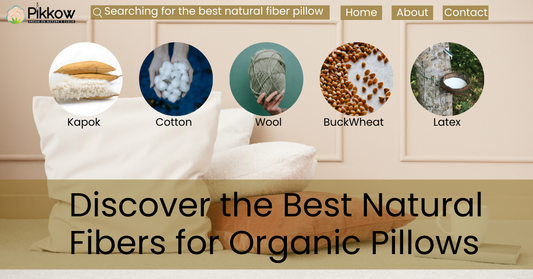
Natural fillings are derived from plant or animal sources and include materials such as cotton, wool, natural latex, kapok fiber, and down. These materials are minimally processed and retain their natural structure, making them more resilient and breathable.
Common benefits of natural fillings for pillows include airflow, moisture regulation, and shape retention over time.
What Are Synthetic Fillings?
Synthetic fillings are typically made from petroleum-based materials such as polyester fiberfill, polyurethane foam, or memory foam. While they are inexpensive and widely available, they often rely on chemical processing to achieve softness and structure.
Over time, the synthetic filling disadvantages become noticeable—especially for daily sleepers.
Long-Term Comfort: Why Natural Fillings Perform Better
Breathability and Temperature Regulation
One of the most common complaints about synthetic pillows is heat buildup. Synthetic fibers trap warmth, leading to sweating and disrupted sleep. Natural fibers, on the other hand, allow air circulation.
This natural airflow creates a breathable pillow filling that adapts to body temperature, making natural options ideal for people who sleep hot.
Moisture Control and Freshness
Natural fibers absorb and release moisture efficiently. This helps prevent dampness, odors, and microbial growth—problems often associated with synthetic pillows.
When it comes to long term comfort pillow filling, moisture-wicking ability plays a major role in maintaining freshness night after night.
Durability: Natural Fillings vs Synthetic Fillings
Shape Retention Over Time
A major issue with synthetic pillows is flattening. Polyester fiberfill and low-quality foam compress permanently with regular use. This leads to poor neck alignment and discomfort.
Natural materials are more elastic and resilient. Their structure allows them to spring back after use, offering superior support retention pillow filling over the years.
Pillow Lifespan Comparison
In a typical pillow lifespan comparison, synthetic pillows often need replacement every 6–12 months. Natural pillows, when properly cared for, can last several years without losing performance.
This makes natural fillings not only more comfortable but also more cost-effective in the long run.
Health and Sleep Quality Considerations
Chemical-Free Comfort
Many synthetic fillings contain chemical residues from manufacturing, which may cause sensitivity for some users. Natural fillings are often preferred as chemical free pillow filling options, especially for people with allergies or respiratory issues.
This contributes to better overall sleep comfort and pillow materials compatibility.
Support and Spinal Alignment
Natural fillings adapt to the body’s contours while maintaining structure. This balance makes them an excellent choice for neck and shoulder support.
When evaluating the best filling for pillow comfort, long-term spinal alignment is just as important as initial softness.
Environmental and Sustainability Benefits
Natural Fibers vs Synthetic Fibers
Synthetic materials are derived from non-renewable resources and contribute to long-term environmental waste. Natural fillings are biodegradable and renewable, making them a more responsible choice.
This shift toward sustainable bedding materials reflects growing awareness of environmental impact in everyday products.
Eco-Friendly Pillow Filling
Consumers looking for an eco friendly pillow filling often choose natural materials because they align with both personal health and sustainability goals.
Durability also plays a role—longer-lasting products reduce replacement frequency and overall waste.
Comfort Over Time: The Real Difference
Initial Feel vs Long-Term Performance
Synthetic pillows often feel plush at first but degrade quickly. Natural pillows may feel firmer initially but become more comfortable as they adapt to the user.
This explains why many users searching for a pillow filling that does not flatten ultimately switch to natural materials.
Everyday Use and Longevity
For daily sleepers, durability matters more than showroom softness. Natural fillings maintain consistent performance, making them ideal for long-term use.
If you’re evaluating natural vs synthetic pillow durability, real-world use consistently favors natural materials.
Choosing the Right Filling for Your Needs
When deciding which pillow filling is best for long term comfort, consider these factors:
-
Sleep position
-
Heat sensitivity
-
Neck and shoulder support needs
-
Allergy considerations
-
Environmental values
Natural fillings provide a balanced solution across all these areas, which is why they continue to outperform synthetic alternatives in long-term satisfaction.
Final Thoughts
So, why do natural fillings beat synthetic in long-term comfort and durability?
Because they breathe better, last longer, maintain support, and age gracefully with use.
While synthetic options may offer short-term affordability, natural fillings deliver consistent comfort, reduced replacement cycles, and healthier sleep over time. For those seeking lasting value and performance, natural materials remain the smarter choice.
FAQs
1. Why are natural fillings better than synthetic?
Natural fillings offer better breathability, shape retention, and durability, making them more comfortable for long-term daily use.
2. Which pillow filling lasts the longest?
Natural fillings such as latex, wool, and kapok fiber typically last longer than synthetic polyester or foam fillings.
3. Do synthetic pillow fillings lose shape over time?
Yes. Synthetic fillings often compress and flatten, reducing support and comfort within months of regular use.
4. What is the healthiest pillow filling for everyday sleep?
Natural, chemical-free fillings are generally considered healthier, especially for people with allergies or sensitivities.
5. Which pillow filling offers the best long-term support?
Natural fillings provide better support retention, helping maintain proper neck and spinal alignment over time.
Also Read :
Are Toxic Sleep Materials Affecting Your Health? Studies Reveal
Signs Your Pillow Is Affecting Your Hormones & Skin Health
Non Toxic Pillows for Breathing Health & Lung Support
Best Gifts for Better Sleep: Why Organic Pillows Make the Perfect Christmas Present
Vocal for Local, Gentle on Nature: Choosing Kapok Pillows for a Sustainable India