
As we hoist the tricolor and celebrate the 77th Republic Day, our hearts fill with pride for the sovereignty and freedoms we cherish as Indians. We celebrate the right to choose, the right to grow, and the right to live a life of dignity.
But as we reflect on the meaning of "freedom" in 2026, it’s worth asking: Are we truly free in our own homes?
In our fast-paced modern lives, many of us are unknowingly tethered to synthetic materials and harsh chemicals. From the air we breathe to the very pillows we rest our heads on, "freedom" often takes a backseat to convenience. This Republic Day, Pikkow invites you to reclaim a fundamental right—the freedom to sleep naturally.
Breaking Free from the Synthetic Cycle
For decades, the Indian bedding market has been dominated by memory foam, polyester microfiber, and synthetic blends. While they may seem comfortable at first, these materials often come with "invisible chains":
- Chemical Off-gassing: Many synthetic pillows release Volatile Organic Compounds (VOCs) that you inhale all night.
- Heat Trapping: Foam acts as a heat sink, leading to restless, sweaty nights in our tropical climate.
- Non-Biodegradable Waste: Synthetic pillows linger in landfills for centuries, long after their short lifespan.
True liberation comes when we move away from these artificial constraints. Choosing chemical-free pillows isn't just a lifestyle trend; it’s a declaration of independence for your health and the environment.
The Soul of the Silk-Cotton: What is Kapok?
In the spirit of celebrating India’s natural heritage, let’s look toward a material that has been part of our landscape for generations: Kapok.
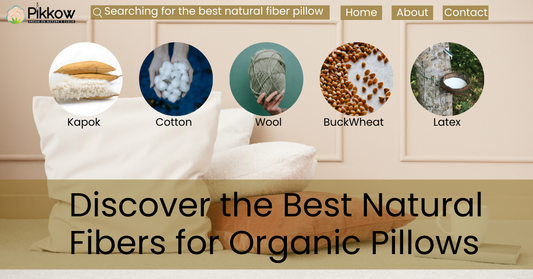
Derived from the seed pods of the Ceiba pentandra tree (often called the Silk-Cotton tree), Kapok is a fluffy, fiber-like material that is entirely plant-based. Often referred to as "vegan silk," it is one of the few truly sustainable sleep products available today.
Why Kapok is naturally superior:
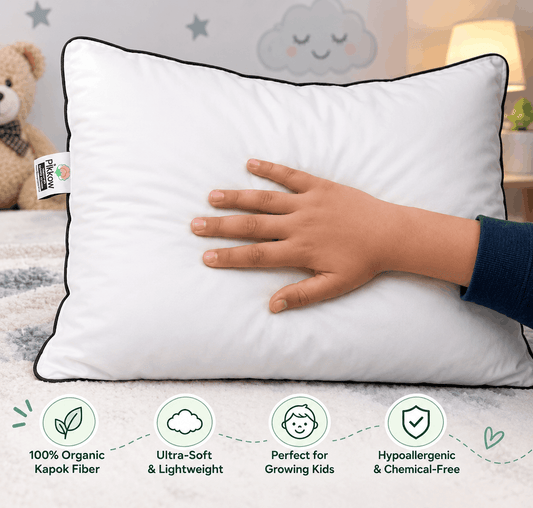
- 100% Organic: Kapok grows wildly without the need for pesticides or synthetic fertilizers.
- Naturally Hypoallergenic: It contains a bitter substance that naturally repels dust mites and mold.
- Buoyant & Breathable: The fibers are hollow, allowing for incredible air circulation that keeps the pillow cool.
Health Benefits: A Constitution for Better Sleep
When you switch to organic kapok pillows, you aren't just buying bedding; you are investing in a "Bill of Rights" for your physical well-being.
|
Benefit |
How It Works |
|
Heat Regulation |
Unlike foam, Kapok doesn't retain body heat, making it the perfect natural pillow for India's climate. |
|
Toxic-Free Rest |
No flame retardants or petroleum-based chemicals. Just pure, breathable fiber. |
|
Adjustable Support |
Kapok mimics the loft of down but provides better neck alignment, helping reduce morning stiffness. |
|
Sensitive Skin Care |
Being plant-based and chemical-free, it is the ideal choice for those with allergies or sensitive skin. |
Pikkow’s Philosophy: Conscious Living for a New India
At Pikkow, we believe that the strength of our nation lies in the mindful choices of its citizens. Our mission is to provide healthy sleep in India by bridging the gap between traditional wisdom and modern ergonomics.
By choosing our organic kapok pillows, you are supporting a cycle of conscious living. You are choosing a product that is biodegradable, ethically sourced, and designed to last. It is a small step, but when thousands of us make that choice, the collective impact on our environment and our national health is monumental.
"True freedom is not just political; it is the ability to live a life aligned with nature, free from the toxins that hold our vitality back."
A Republic Day Reflection
As the parades conclude and the sun sets on this historic day, take a moment to consider the environment you create within your own four walls. Freedom is built on the foundation of health and sustainability. By opting for eco-friendly bedding, you are contributing to a greener, cleaner, and healthier India.
This year, let’s celebrate our sovereignty by reclaiming our sleep. Let’s choose materials that honor the earth and protect our families.
This Republic Day, choose the freedom to sleep naturally with Pikkow’s organic kapok pillows.
Conclusion
As the tricolor flies high this Republic Day, let us remember that the greatest progress begins at home. Reclaiming your sleep from synthetic chemicals and non-breathable foam is more than a comfort choice—it is a commitment to a healthier, more sustainable lifestyle for yourself and the nation. By choosing organic kapok pillows, you are embracing a legacy of natural wellness that honors both your body and the environment. This January 26th, let your rest be as pure as your resolve.
FAQs
1. Is Kapok better than memory foam for Indian summers?
Yes, significantly. Unlike memory foam which traps body heat, kapok fibers are hollow and naturally breathable. This allows for constant air circulation, keeping the pillow cool even during peak Indian summers.
2. Are Pikkow’s kapok pillows completely chemical-free?
Absolutely. Our kapok is harvested from seed pods and processed without bleach, synthetic flame retardants, or toxic dyes, making them the gold standard for chemical-free pillows.
3. How do I clean and maintain an organic kapok pillow?
Kapok is naturally moisture-resistant. To refresh it, simply place the pillow in direct sunlight for a few hours once a month. This helps the fibers regain their natural loft and kills any surface bacteria.
4. Is kapok suitable for people with dust allergies?
Yes. Kapok contains a natural bitter wax that acts as a repellent for dust mites and mold, making it one of the best natural pillows in India for sensitive sleepers.
5. How long does a kapok pillow last?
With proper care (periodic sun-drying), a high-quality kapok pillow can last several years. Since the fibers are resilient and don’t "clump" as easily as polyester, they maintain their supportive shape longer.
Also Read :
Ceiba Pentandra Explained: Why This Natural Fiber Is Redefining Healthy Pillows
Synthetic Pillow Stuffing: Comfort Illusion or a Hidden Sleep Hazard
Pillows Natural Materials: Healthy Eco-Friendly Sleep
Rest Is a Right: How Quality Sleep Builds a Healthier and Stronger Nation
Republic Day Special: Why Choosing Eco-Friendly Bedding Is a Responsible Indian Choice