
Pillows Natural Materials: Why What’s Inside Matters for Healthy Sleep
When we talk about better sleep, we usually focus on mattresses, sleep position, or room temperature. But one important thing often gets ignored — what your pillow is made of. Pillows filled with natural materials can improve sleep quality, protect your health, and reduce environmental harm. Let’s understand why the inside of your pillow truly matters.
Understanding Natural Pillow Materials and Their Benefits
What Are Natural Pillow Materials?
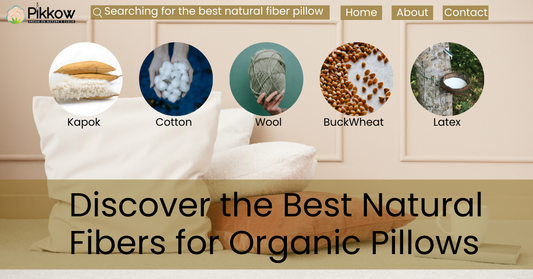
Natural pillow materials come from plants or animals and are processed with minimal chemicals. Common examples include organic cotton, wool, natural latex, and kapok fiber. These materials are breathable, biodegradable, and safer for long-term use compared to synthetic fillings.
Traditional Pillow Materials vs Modern Synthetic Fillings
Traditional pillows were made using cotton, wool, or feathers. Over time, synthetic materials like polyester and memory foam became popular because they are cheap and easy to produce. However, many synthetic pillows contain chemicals, trap heat, and break down into microplastics. Natural materials offer better airflow, last longer, and feel more comfortable over time.
Why Natural Fiber Comparison Matters for Healthy Sleep
Not all natural fibers feel or perform the same. Some provide more support, while others focus on softness or cooling. Comparing natural fibers helps you choose the right pillow for your sleeping style while avoiding harmful materials.
Organic Pillow Filling Options for Health-Conscious Sleepers
Organic Cotton Pillows for Breathable and Skin-Friendly Comfort
Organic cotton pillows are soft, breathable, and gentle on the skin. They allow air to circulate easily, which helps reduce sweating during sleep. Because organic cotton is grown without harsh pesticides, it’s a great option for people with sensitive skin.

Wool Pillow Filling for Temperature Regulation and Allergy Safety
Wool naturally adjusts to body temperature. It keeps you warm in winter and cool in summer. Wool is also resistant to dust mites and mold, making it an excellent allergy-safe pillow filling for people with asthma or allergies.
Latex Pillow Natural Benefits for Neck Support and Durability
Natural latex pillows offer firm yet flexible support. They help keep your neck aligned, reducing pain and stiffness. Latex is also naturally resistant to bacteria and dust mites, making it ideal for non-toxic sleep environments.
Plant-Based Bedding and Plastic-Free Pillow Choices
How Plant Based Bedding Supports an Eco-Conscious Lifestyle
Plant-based bedding uses renewable resources like cotton and kapok. Choosing these materials supports an eco-conscious lifestyle by reducing dependence on plastic-based products and lowering environmental impact.
Plastic Free Pillows and Biodegradable Bedding Explained
Plastic-free pillows avoid synthetic foams and polyester fibers. Instead, they use biodegradable materials that break down naturally over time. This helps reduce landfill waste and supports sustainable home products.
Why Kapok and Cotton Are Ideal Natural Sleep Solutions
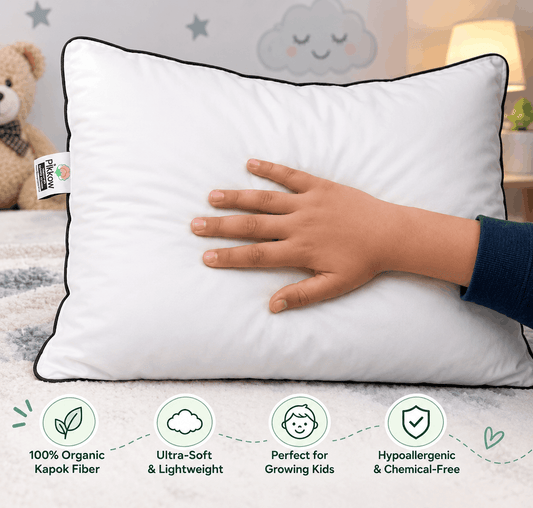
Kapok is a lightweight plant fiber that feels soft and airy. It’s often called “silk cotton” because of its smooth texture. Combined with organic cotton covers, kapok pillows offer excellent comfort, making them popular natural sleep solutions.
Chemical-Free Pillows and Non-Toxic Sleep Environments
Hidden Chemicals in Synthetic Pillows and Their Risks
Many synthetic pillows are treated with flame retardants, adhesives, and chemical dyes. These chemicals can release harmful fumes over time, affecting breathing and skin health. Long-term exposure may cause headaches, allergies, or poor sleep quality.

Chemical Free Pillows for Non Toxic Sleep and Better Health
Chemical-free pillows use natural materials without added toxins. They support non-toxic sleep by improving air quality in your bedroom and reducing exposure to harmful substances.
Skin Friendly Pillows for Sensitive Skin and Children
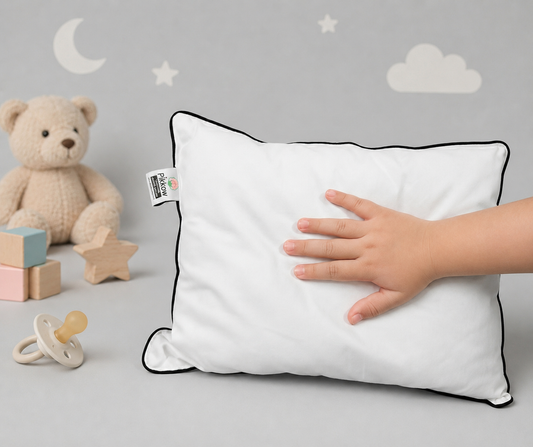
Natural pillows are especially helpful for children and people with sensitive skin. They reduce irritation, itching, and allergic reactions, making them safer for everyday use.
Final Thoughts: Why Pillows Made from Natural Materials Are Worth the Switch
Switching to pillows made from natural materials is a small change that can make a big difference. They support healthier sleep, protect your skin, and contribute to a cleaner environment. By choosing organic, plant-based, and chemical-free pillows, you invest in better sleep, better health, and a greener home. Natural pillows aren’t just a trend — they’re a smart and responsible choice for modern living.
FAQ
1. What are pillows made from natural materials?
Pillows made from natural materials use fillings like organic cotton, wool, natural latex, or kapok fiber instead of synthetic foam or polyester. These materials are breathable, biodegradable, and safer for long-term sleep.
2. Are natural pillow materials better for health?
Yes. Natural pillow materials are free from harsh chemicals and support non-toxic sleep. They reduce skin irritation, improve airflow, and are safer for people with allergies or sensitive skin.
3. Which natural pillow filling is best for allergies?
Wool pillow filling and natural latex pillows are best for allergies. They naturally resist dust mites, mold, and bacteria, making them ideal allergy-safe pillows.
4. Are organic cotton pillows good for hot sleepers?
Yes. Organic cotton pillows are highly breathable and help release heat, making them perfect for hot sleepers and humid climates.
5. What are kapok pillows and are they eco-friendly?
Kapok pillows are filled with fiber from the kapok tree. Kapok is a plant-based, plastic-free, and biodegradable material, making kapok pillows an excellent eco-friendly and sustainable choice.
Also Read :
Ceiba Pentandra Explained: Why This Natural Fiber Is Redefining Healthy Pillows
Synthetic Pillow Stuffing: Comfort Illusion or a Hidden Sleep Hazard
Rest Is a Right: How Quality Sleep Builds a Healthier and Stronger Nation
Republic Day Special: Why Choosing Eco-Friendly Bedding Is a Responsible Indian Choice
Freedom to Sleep Naturally: Organic Kapok Pillows for Republic Day | Pikkow