
Back pain, neck stiffness, and shoulder tension are no longer limited to older adults. Across India, people of all ages wake up sore, tired, or uncomfortable—even after a full night’s sleep. In many cases, the problem isn’t how long you sleep, but what you sleep on.
Maintaining proper spinal posture at night is essential for long-term health, and research increasingly shows that natural fibers spinal alignment while sleeping plays a critical role. The right pillow and bedding materials help the spine stay neutral, reduce pressure points, and allow muscles to fully relax.
In this article, we’ll explore the science behind spinal alignment during sleep, why natural fibers like kapok, cotton, latex, and wool outperform synthetic materials, and how choosing the right natural pillow can support healthier posture—especially in warm, humid climates like India.
Why Spinal Alignment During Sleep Matters
Your spine has a natural S-shaped curve that needs support even when you’re lying down. When this curve is maintained, muscles relax, nerves are not compressed, and blood circulation improves. When alignment is disturbed, the body compensates—leading to pain, stiffness, and poor sleep quality.
Spinal alignment while sleeping affects:
-
Neck and shoulder tension
-
Lower back comfort
-
Disc health and joint pressure
-
Nerve signaling
-
Overall sleep depth and recovery
Poor alignment night after night can worsen posture issues and chronic pain. That’s why bedding choice is a foundational part of sleep ergonomics.
How Natural Fibers Support a Neutral Spine
The concept of natural fibers spinal alignment while sleeping is rooted in how different materials respond to body weight, heat, and movement. Natural fibers behave very differently from synthetic foams and polyester fillings.
1. Adaptive Support Without Rigidity
Natural fibers compress gently under weight and rebound evenly. This allows the head, neck, and shoulders to settle into a supported but flexible position—keeping the spine neutral instead of forcing it into an unnatural angle.
2. Even Pressure Distribution
Natural fiber pillows spread pressure across a wider surface area, reducing stress on the neck and shoulders. This is especially important for side sleepers, who need proper loft to fill the gap between shoulder and neck.
3. Breathability That Prevents Muscle Tension
Heat buildup causes micro-adjustments during sleep. Breathable natural bedding prevents overheating, allowing muscles to remain relaxed and reducing nighttime tossing that disrupts spinal posture while sleeping.
Kapok Fiber: A Standout for Spinal Alignment
Among plant-based materials, kapok fiber has gained attention for its unique structural benefits. Derived from the seed pods of the kapok tree, it is light, resilient, and naturally airy.
Kapok Fiber Pillow Support Explained
Kapok fibers are hollow, which allows them to compress under pressure while maintaining loft. This balance is ideal for natural fiber pillows for spine support, as it prevents both sinking and stiffness.
Key advantages include:
-
Consistent neck support without pressure
-
Excellent loft retention over time
-
Lightweight feel that doesn’t strain the neck
-
Natural breathability for warm sleepers
This makes kapok a strong option for people seeking a natural pillow for neck alignment, particularly those who sleep on their side or alternate positions.
How Natural Fibers Compare to Synthetic Materials
Understanding material differences is essential when choosing bedding for spinal health.
Memory Foam and Polyester: Common Issues
Synthetic pillows often promise “orthopedic support,” but they come with drawbacks:
-
Memory foam softens with heat, causing uneven neck angles
-
Polyester compresses quickly, losing support
-
Both trap heat, leading to restless sleep
-
Limited airflow increases muscle tension
Over time, these factors interfere with spinal alignment during sleep, especially in India’s climate.
Natural Fibers: Balanced and Responsive
In contrast, natural fibers:
-
Maintain consistent loft
-
Adapt without collapsing
-
Regulate temperature naturally
-
Reduce pressure on joints and muscles
This makes natural bedding for back support a more sustainable and body-friendly solution.
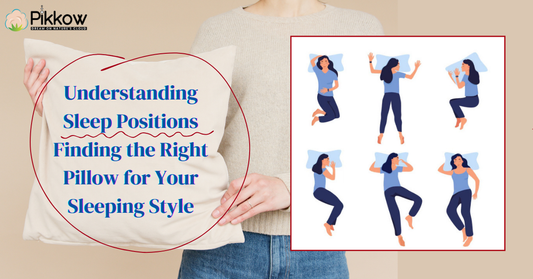
Spinal Alignment for Different Sleep Positions
Side Sleepers
Side sleepers need adequate height to keep the neck aligned with the spine. A kapok or latex pillow offers enough loft while remaining flexible.
A pillow for side sleepers spine alignment should:
-
Fill the shoulder-to-neck gap
-
Prevent the head from tilting downward
-
Stay breathable to avoid tension buildup
Back Sleepers
Back sleepers benefit from moderate support that keeps the head level without pushing it forward. Natural fibers provide gentle cradling that supports the cervical curve.
This makes them ideal as a pillow for back sleepers spinal support.
Combination Sleepers
People who shift positions need responsive materials. Kapok and wool adjust easily, maintaining spinal posture while sleeping regardless of movement.
Mid-Article Insight: Why Many Indians Choose Pikkow Pillows
As awareness grows around natural fibers spinal alignment while sleeping, more Indian consumers are moving toward bedding that combines ergonomic support with natural materials.
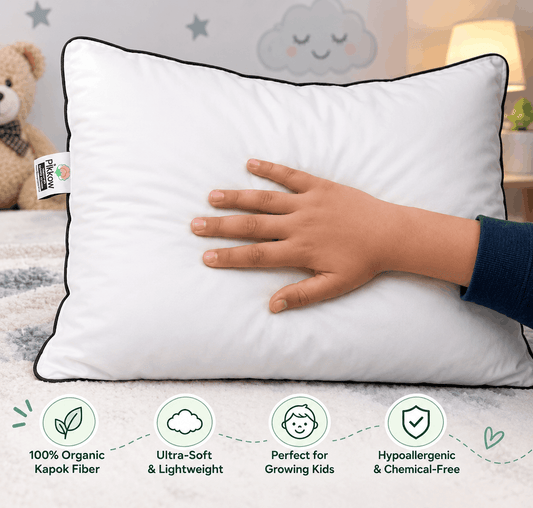
Pikkow pillows use:
-
Natural kapok fiber for adaptive support
-
Organic cotton covers for breathability
-
Chemical-free construction for safety
These qualities align with natural sleep ergonomics, offering spinal support without heat retention or toxins. While not a medical product, Pikkow pillows are designed to support healthier posture through thoughtful material choice—making them suitable for adults, elders, and even growing children.
Benefits for People with Back and Neck Pain
Natural fiber bedding is especially beneficial for those experiencing:
-
Chronic lower back pain
-
Neck stiffness in the morning
-
Shoulder tightness
-
Posture-related discomfort
Because natural fibers adapt without locking the body into one position, they reduce pressure and allow muscles to recover naturally. This makes them a practical choice for eco friendly pillow for back pain and long-term spine health.
Breathability and Humidity: A Crucial Factor in India
India’s warm and humid climate amplifies the importance of breathable bedding. Heat retention can worsen inflammation and muscle tightness, interfering with alignment.
Breathable natural bedding:
-
Keeps body temperature stable
-
Reduces sweating and discomfort
-
Supports uninterrupted sleep
This is one reason natural fibers outperform synthetics for spinal alignment while sleeping in Indian conditions.
Spinal Alignment, Sustainability, and Clean Sleep
Natural bedding doesn’t just support posture—it supports a healthier home environment. Plant-based materials reduce exposure to chemicals and microplastics, contributing to cleaner air and safer sleep.
Choosing sustainable bedding for spine health means investing in:
-
Long-term comfort
-
Eco-friendly production
-
Reduced chemical exposure
-
Better overall sleep quality
Conclusion: Align Your Sleep with Nature
Spinal alignment during sleep isn’t about rigid support or complex technology. It’s about choosing materials that work with your body, not against it. The science behind natural fibers spinal alignment while sleeping shows that breathability, adaptability, and pressure distribution are key to maintaining a healthy spine.
Natural fibers like kapok, cotton, wool, and latex offer balanced support without heat buildup, making them ideal for Indian sleepers. When combined with thoughtful design—as seen in products like Pikkow pillows—they provide a simple, effective path toward better posture and deeper rest.
A well-aligned spine at night leads to better movement, less pain, and more energy during the day. Sometimes, the most powerful solutions are the most natural ones.
FAQs
1. How do natural fibers help with spinal alignment while sleeping?
They provide adaptive support, distribute pressure evenly, and maintain breathability, helping the spine stay neutral throughout the night.
2. Are kapok pillows good for neck and back pain?
Kapok pillows offer balanced loft and flexibility, making them suitable for reducing neck strain and supporting spinal posture.
3. Is natural bedding better than memory foam for spinal support?
For many sleepers, yes. Natural fibers regulate temperature better and avoid the uneven softening common in memory foam.
4. Which sleep position benefits most from natural fiber pillows?
Side and combination sleepers benefit significantly due to improved loft retention and adaptability.
5. Are natural fiber pillows suitable for India’s climate?
Absolutely. Their breathability and moisture regulation make them ideal for warm and humid conditions.
Also Read :
Customer Stories 2025: How Switching to Kapok Changed Their Sleep
Why Semal Pillows Are Returning in Modern Wellness Homes
The Rise of Natural Bedding: Sleep Trends We Predict for 2026
Is Semal the Most Underrated Organic Bedding Material in India?
The Science of Natural Temperature Regulation in Kapok Pillows