
As we move closer to 2026, natural bedding trends 2026 are emerging as a defining force in the way people sleep, design their homes, and care for their well-being. Sleep is no longer viewed as just rest — it is now recognised as a foundation of physical health, emotional balance, and lifestyle quality.
Across India and globally, consumers are slowly stepping away from synthetic, chemical-laden, and overly engineered sleep products. Instead, they are embracing natural, breathable, and non-toxic bedding that feels closer to nature and kinder to the body. This shift is not sudden — it is deeply connected to larger lifestyle movements such as sustainability, minimalism, wellness personalisation, and climate-aware living.
Why Natural Bedding Is Becoming the New Standard
The modern consumer is more informed than ever. People now question what goes into their pillows, mattresses, and bedding — just like they question what they eat or apply on their skin.
Synthetic bedding materials often trap heat, restrict airflow, and may contain chemical treatments that affect sensitive skin and sleep quality. Natural bedding, on the other hand, offers comfort through simplicity — using fibres that breathe, regulate temperature naturally, and align with the body’s rhythms.
This growing awareness is driving the future of sustainable bedding, where comfort, health, and environmental responsibility coexist.
Natural Bedding and the Conscious Sleep Movement
Sleep trends in 2026 are closely tied to the conscious sleep movement — a mindset where people intentionally design their sleep environment to support long-term wellness.
Sleep as a Wellness Practice
Sleep is now considered an active wellness habit, not passive downtime. Bedding that supports airflow, reduces overheating, and avoids harsh chemicals plays a major role in improving sleep quality.
Non-Toxic, Skin-Friendly Choices
Natural fibres reduce exposure to irritants, making them ideal for people with sensitive skin, allergies, or children at home. This aligns with the rising demand for non-toxic bedding choices and healthier bedrooms.
Calm Over Complexity
Instead of relying on sleep gadgets and technology-heavy solutions, people are choosing comfort that feels natural and effortless — reinforcing the idea of sleep technology vs natural comfort, where nature is winning.
How Lifestyle Movements Are Shaping Bedroom Design
Natural bedding trends do not exist in isolation. They are closely linked to how people live, decorate, and consume.
Minimalist Sleep Habits
Minimalism is no longer just about aesthetics — it’s about reducing excess and focusing on what truly matters. Fewer but better bedding products, made from high-quality natural fibres, fit perfectly into minimalist sleep habits.
Slow Living Movement
The slow living movement encourages mindful consumption, durability, and emotional connection to products. Natural bedding lasts longer, ages gracefully, and feels intentional rather than disposable.
Climate-Conscious Lifestyle
Consumers increasingly want their homes to reflect climate responsibility. Choosing biodegradable and plant-based bedding is a simple yet powerful step toward a climate-conscious lifestyle.
Natural Fibres That Will Dominate Bedding in 2026
Kapok – The Future-Ready Natural Fibre
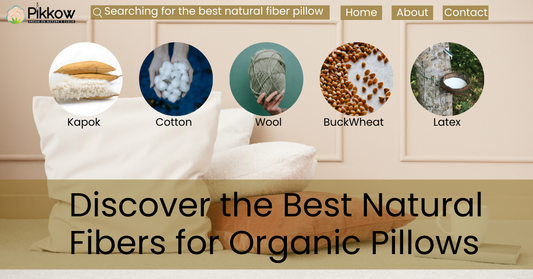
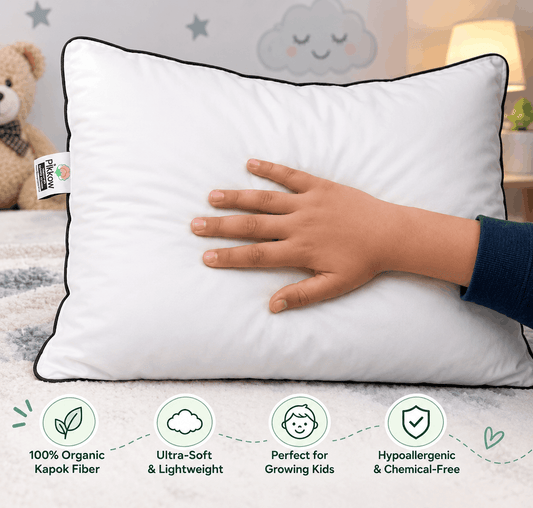
Kapok is quickly gaining recognition as a next-generation natural fibre for pillows and bedding. Lightweight, airy, and plant-based, kapok offers excellent breathability and natural comfort — especially suitable for Indian climates.
Pikkow’s kapok pillows are designed to support this shift, offering breathable comfort without synthetic fillers. You can explore them via the
Pikkow Kapok Pillow Collection: https://pikkow.com/collections/organic-kapok-pillow-online
Available options include:
Standard: https://pikkow.com/products/kapok-pillows-standard
Queen: https://pikkow.com/products/kapok-pillows-queen
King: https://pikkow.com/products/kapok-pillows-king
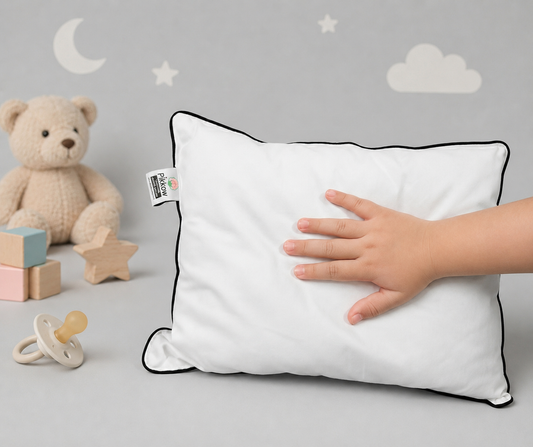
Kids: https://pikkow.com/products/kapok-pillows-kids
Organic Cotton
Organic cotton continues to be a staple due to its softness, breathability, and familiarity. It supports temperature regulation and fits well into organic home lifestyle trends.
Linen
Linen’s natural texture, moisture-wicking ability, and durability make it ideal for warm climates and minimalist homes. It complements eco-friendly bedroom ideas focused on comfort and simplicity.
Wool
Wool provides natural insulation and breathability, making it suitable for seasonal layering and holistic bedroom design.
Bedding Trends We Predict for 2026
1. Rise of Plant-Based Bedding Options
Plant-based fibres like kapok will become mainstream as people prioritise natural fiber comfort and sustainability.
2. Biodegradable Bedding Products
Consumers will increasingly prefer bedding that returns safely to the earth at the end of its life cycle, reducing long-term waste.
3. Holistic Bedroom Design
Bedrooms will be designed as wellness spaces — calm colours, natural materials, breathable bedding, and minimal distractions.
4. Personalised Sleep Experience
From pillow height to firmness and material choice, people will seek bedding tailored to their sleep style, climate, and health needs.
5. Organic Home Lifestyle Integration
Bedding will no longer be a standalone purchase — it will be part of a larger organic, conscious home ecosystem.
Where Pikkow Fits Into the Future of Natural Bedding
Pikkow represents the next wave of bedding brands — those that understand sleep as a lifestyle choice, not just a product category.
By focusing on natural fibres, breathable comfort, and mindful design, Pikkow aligns seamlessly with natural bedding trends 2026 and the future of organic home products.
Rather than chasing trends, Pikkow reflects long-term values:
• Conscious material selection
• Comfort rooted in nature
• Thoughtful design for modern living
To understand Pikkow’s philosophy and journey, visit the About page:
https://pikkow.com/pages/about-us
You can also explore their evolving sleep and wellness perspective on Instagram:
https://www.instagram.com/pikkow/#
Practical Tips to Transition to Natural Bedding
- Choose pillows and bedding made from plant-based or organic fibres
-
Avoid chemically treated or overly synthetic materials
- Design your bedroom around calm, breathable textures
- Prioritise comfort that suits your climate and sleep habits
- Buy less, but buy better — quality over quantity
Conclusion
The future of sleep is natural, intentional, and deeply connected to how we live. As natural bedding trends 2026 gain momentum, they signal a broader cultural shift — from fast consumption to conscious comfort, from synthetic shortcuts to nature-inspired solutions.
Natural fibres like kapok, organic cotton, linen, and wool are no longer niche choices. They represent the future of sustainable bedding, healthy bedroom environments, and mindful living.
Pikkow stands at this intersection — quietly shaping the future of sleep by focusing on what truly matters: comfort, health, and harmony with nature.
FAQs
What are natural bedding trends 2026?
They focus on plant-based, breathable, non-toxic bedding that supports wellness, sustainability, and conscious living.
Why are people moving away from synthetic bedding?
Synthetic materials often trap heat, restrict airflow, and may contain chemicals that affect sleep quality and skin health.
Is natural bedding suitable for Indian climates?
Yes. Fibres like kapok, cotton, and linen are especially suitable for warm and humid conditions.
How does natural bedding support better sleep?
By improving airflow, regulating temperature naturally, and reducing exposure to irritants.
Where can I explore natural bedding by Pikkow?
Start with the Pikkow Homepage: https://pikkow.com/ and explore their kapok pillow collection for different sleep needs.
Also Read :
Customer Stories 2025: How Switching to Kapok Changed Their Sleep
Why Semal Pillows Are Returning in Modern Wellness Homes
How Natural Fibers Help Maintain Spinal Alignment While Sleeping
Is Semal the Most Underrated Organic Bedding Material in India?
The Science of Natural Temperature Regulation in Kapok Pillows