
Semal Organic Bedding Material: India’s Forgotten Natural Sleep Secret
Semal organic bedding material is quietly woven into India’s natural history, yet rarely spoken about in modern bedding conversations. In an age where synthetic foams dominate bedrooms and “cooling” claims flood the market, semal—drawn from the majestic silk cotton tree—offers a naturally breathable, lightweight, and chemical-free sleep alternative that Indian households once trusted.
For generations, semal fiber bedding supported comfortable sleep in India’s hot, humid climate. Today, as awareness around eco friendly bedding India and plant based pillow filling grows, semal deserves a closer look—not as nostalgia, but as a future-ready organic bedding material in India.
What Is Semal Fiber? Understanding Its Natural Origin
The Silk Cotton Tree (Bombax Ceiba)
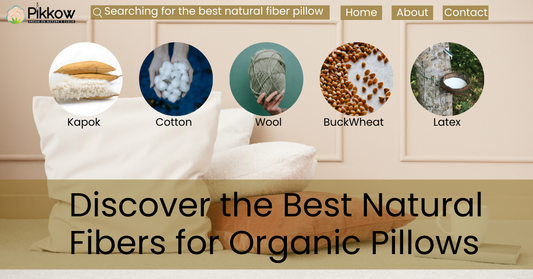
Semal fiber comes from the silk cotton tree, locally known as Semal and scientifically called Bombax ceiba. This tall, red-flowering tree is native to India and Southeast Asia and produces cotton-like fibers inside seed pods.
Characteristics of Semal Tree Fiber
- Ultra-lightweight and airy
- Naturally breathable natural fiber
- Moisture resistant natural fiber
- Free from chemicals and processing agents
- Plant based pillow filling used traditionally
Unlike conventional cotton, semal fibers are hollow, allowing air to circulate freely—an important reason why it was once preferred for Indian bedding.
Semal in Traditional Indian Bedding Culture
Before memory foam and polyester entered Indian homes, traditional Indian bedding materials were simple and climate-responsive.
How Semal Was Traditionally Used
- Semal cotton bedding for mattresses
- Semal fiber pillow filling for summer use
- Quilts and gaddas in rural and semi-urban homes
- Ayurvedic-inspired sleeping surfaces
Elders valued semal pillow benefits for reducing heat buildup and sweat—an intuitive understanding of sleep cooling science long before it became a marketing term.
“Nature never overheats you; it only balances you.” — Traditional Indian saying
Why Did Semal Become Underrated?
Despite being an organic sleep product India already had, semal slowly disappeared from mainstream bedding.
Key Reasons for Underutilization
- Lack of consumer awareness and education
- Shift toward mass-produced synthetic bedding
- Misconception that lighter bedding equals lower quality
- Poor branding compared to modern materials
Semal natural fiber bedding was never inferior—it was simply forgotten.
Semal Fiber Bedding vs Synthetic Bedding Materials
|
Feature |
Semal Fiber Bedding |
Synthetic Foam Bedding |
|
Breathability |
Excellent |
Poor |
|
Heat Regulation |
Natural & cooling |
Heat-trapping |
|
Environmental Impact |
Sustainable bedding materials |
Petroleum-based |
|
Chemical Free |
Yes |
No |
|
Weight |
Lightweight bedding material |
Heavy |
For Indian summers, semal bedding for Indian climate clearly outperforms synthetic alternatives.
Semal vs Kapok Bedding: A Natural Comparison
As eco friendly bedding India gains momentum, kapok has emerged as a modern alternative. But how does it compare with semal?
|
Aspect |
Semal Fiber |
Kapok Fiber |
|
Softness |
Moderate |
Plush & silky |
|
Durability |
Medium |
High |
|
Moisture Resistance |
Good |
Excellent |
|
Temperature Neutrality |
High |
Very High |
|
Processing Consistency |
Low |
High |
Kapok, often featured in brands like Pikkow, builds upon what semal started—refining natural fibers for today’s lifestyle. You can explore kapok-based organic pillows on the Pikkow Homepage: https://pikkow.com/
Why Semal Bedding Is Perfect for Indian Climate
India’s climate demands materials that breathe, adapt, and stay dry.
Semal Fiber Advantages for Indian Weather
- Reduces night sweating
- Supports temperature neutral sleep
- Works well in coastal and humid regions
- Ideal for hot sleepers
This makes semal fiber pillow and mattress filling naturally suited for Indian homes without artificial cooling technologies.
Consumer Myths Around Semal Fiber Bedding
Common Misconceptions
- “Semal flattens quickly” → Poor processing caused this, not the fiber
- “Natural bedding attracts insects” → Clean, sun-dried fibers resist pests
- “Lightweight means low support” → Support depends on filling density
Educating consumers is key to reviving semal organic bedding material.
Semal, Sustainability & the Modern Sleep Movement
Semal aligns perfectly with:
- Sustainable bedding materials
- Chemical free bedding
- Hypoallergenic natural bedding
- Organic sleep products India
With zero industrial processing and renewable sourcing, semal is an eco friendly bedding India already owns.
For readers exploring refined plant-based options today, kapok pillows from Pikkow’s Organic Collection are a modern evolution:
https://pikkow.com/collections/organic-kapok-pillow-online
Important Tips Before Choosing Natural Fiber Bedding
- Always check fiber purity
- Avoid chemically bleached fillings
- Choose breathable covers (cotton or linen)
- Sun-air bedding periodically for freshness
Natural bedding works best when respected as living material.
Conclusion: Is Semal Truly the Most Underrated?
Yes—semal organic bedding material is one of India’s most underrated natural sleep solutions. It offers breathability, climate adaptability, sustainability, and chemical-free comfort—qualities modern sleepers actively seek.
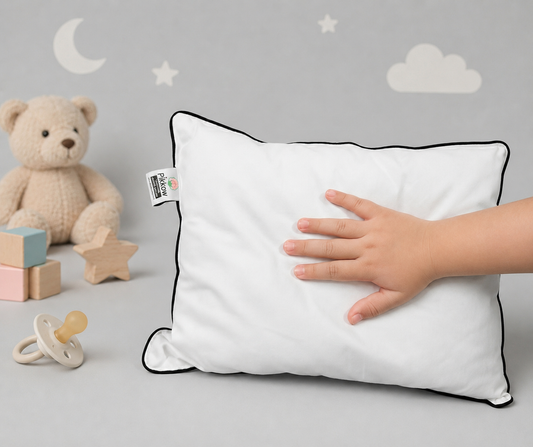
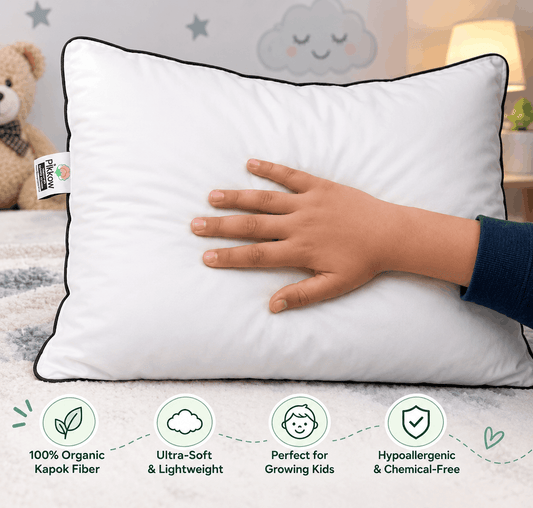
While semal awaits rediscovery, kapok-based products have successfully modernized this concept. Brands like Pikkow are carrying India’s natural bedding wisdom forward through thoughtfully designed kapok pillows—available in Standard, Queen, King, and Kids sizes:
- Standard: https://pikkow.com/products/kapok-pillows-standard
- Queen: https://pikkow.com/products/kapok-pillows-queen
- King: https://pikkow.com/products/kapok-pillows-king
- Kids: https://pikkow.com/products/kapok-pillows-kids
Sometimes, the future of sleep lies in rediscovering what we already knew.
FAQs
1. Is semal fiber safe for daily use?
Yes, semal is a chemical-free, hypoallergenic natural bedding material suitable for regular use.
2. Does semal bedding help with sweating?
Yes, its breathable natural fiber structure reduces heat and moisture buildup.
3. Why is semal less popular than cotton?
Industrial cotton marketing overshadowed traditional materials like semal.
4. Is semal better than memory foam for Indian summers?
For heat regulation and airflow, semal performs significantly better.
5. Are semal and kapok the same?
They are similar plant fibers, but kapok offers better durability and softness with modern processing.
Also Read :
Customer Stories 2025: How Switching to Kapok Changed Their Sleep
Why Semal Pillows Are Returning in Modern Wellness Homes
How Natural Fibers Help Maintain Spinal Alignment While Sleeping
The Rise of Natural Bedding: Sleep Trends We Predict for 2026
The Science of Natural Temperature Regulation in Kapok Pillows