
In today’s wellness-driven world, more people are paying attention to what they sleep on. We carefully choose organic food for our bodies — but what about the pillow that supports our head for 7–9 hours every night? Understanding the Journey of an Organic Pillow helps you appreciate the care, sustainability, and craftsmanship behind truly healthy sleep.
From responsibly harvested natural fibbers to a beautifully crafted, chemical-free pillow resting on your bed, the journey is both fascinating and inspiring. In this blog, we’ll explore the complete process — from farm to bedroom organic pillow — and discover how organic pillows are made, especially those crafted from kapok fibber.
What Is an Organic Pillow?
An organic pillow is made using natural bedding materials that are grown and processed without synthetic chemicals, pesticides, or toxic additives. Unlike conventional pillows filled with polyester or treated foams, organic pillows are:
- Free from harmful chemicals
- Made using sustainable farming practices
- Biodegradable and eco-friendly
- Breathable and temperature regulating
- Safer for sensitive skin and allergies
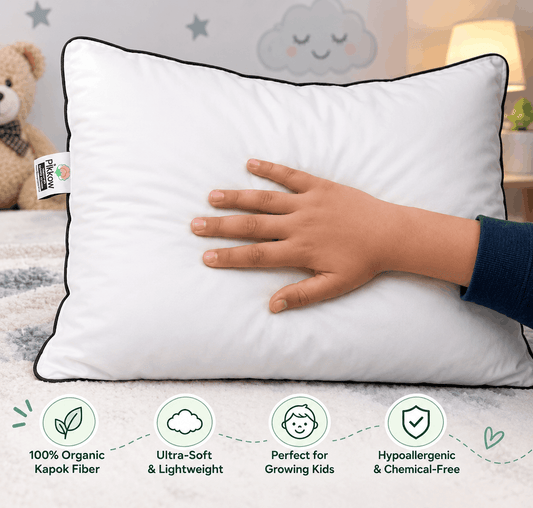
One of the most popular options today is the organic kapok fiber pillow, known for its cloud-like softness and sustainability.
Step 1: Sustainable Farming of Natural Fibbers
The Origin of Organic Kapok Fibber
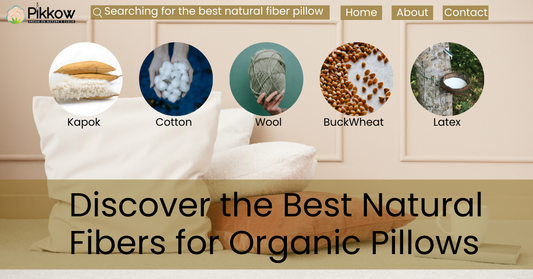
The journey begins on tropical farms where kapok trees grow naturally without synthetic fertilizers or pesticides. Kapok trees produce fluffy fibber inside seed pods, which is harvested once the pods mature and naturally crack open.
Why Kapok?
Kapok is often called “nature’s silk” because it is:
- Ultra-lightweight
- Naturally hypoallergenic
- Moisture-resistant
- Breathable
- 100% biodegradable
Unlike cotton that requires heavy irrigation, kapok trees thrive naturally in rain-fed regions, making them a more sustainable option.

Step 2: Harvesting & Cleaning
After harvesting, the fiber goes through a careful cleaning stage — an essential part of the kapok pillow production process.
Cleaning Process Includes:
- Removing seeds from fiber
- Air-drying the fiber naturally
- Mechanical separation (no harsh chemical treatment)
- Quality inspection
This stage ensures the fiber remains pure and fluffy while maintaining its natural properties. Since kapok contains natural wax coating, it resists moisture and pests without requiring chemical treatments.

Step 3: Chemical-Free Pillow Production
The next stage in the Journey of an Organic Pillow is transforming raw fiber into a comfortable pillow. Unlike conventional production that may involve chemical softeners or flame retardants, chemical-free pillow production focuses on purity.
Key Elements of This Stage:
- No synthetic dyes
- No formaldehyde treatments
- No chemical flame retardants
- No artificial fragrances
Instead, manufacturers rely on natural stitching, breathable cotton covers, and minimal processing to preserve the fiber’s integrity.

Step 4: Crafting a Handmade Organic Pillow
Many organic pillows are made in small batches to maintain quality. A handmade organic pillow often goes through these steps:
Cover Preparation
The outer cover is typically made from:
- Organic cotton
- Bamboo fabric
- Linen
These fabrics are woven without harmful dyes or finishing chemicals.
Filling Process
The kapok fiber is:
- Loosened to maintain fluffiness
- Evenly distributed
- Hand-filled for balanced density
Final Inspection
Each pillow is checked for:
- Proper weight
- Stitch quality
- Uniform filling
- Breathability
Handcrafting ensures attention to detail that mass production often lacks.
Comparison: Organic vs Conventional Pillows
|
Feature |
Organic Kapok Fibber Pillow |
Conventional Polyester Pillow |
|
Materials |
Natural bedding materials |
Synthetic fibbers |
|
Chemical Use |
Chemical-free pillow production |
Often chemically treated |
|
Breathability |
High |
Moderate |
|
Eco-Friendliness |
Biodegradable |
Non-biodegradable |
|
Hypoallergenic |
Yes |
Sometimes |
|
Longevity |
Durable with care |
May flatten quickly |
Step 5: Packaging & Delivery
After production, organic pillows are:
- Packed in recyclable or compostable packaging
- Stored in dry, clean environments
- Shipped directly to consumers
Sustainable brands avoid plastic wrapping when possible and use eco-friendly inks and tags.
Step 6: From Farm to Bedroom Organic Pillow Experience
When the pillow finally reaches your home, it completes the Journey of an Organic Pillow — from tree to bed.
What You Experience:
- Soft yet supportive feel
- Improved airflow and cooling
- Reduced exposure to toxins
- Better sleep comfort
- Eco-conscious peace of mind
Unlike synthetic pillows that trap heat, kapok’s hollow fibbers enhance airflow, keeping your head cool throughout the night.
How Organic Pillows Are Made: A Simplified Flow Chart
- Sustainable Farming
- ↓
- Harvesting & Seed Removal
- ↓
- Natural Cleaning & Drying
- ↓
- Chemical-Free Processing
- ↓
- Hand-Filling & Stitching
- ↓
- Eco Packaging
- ↓
- Delivered to Your Bedroom
This clean and mindful system reflects a commitment to health and sustainability.

Environmental Impact of Organic Pillow Production
The kapok pillow production process has minimal environmental impact compared to synthetic alternatives.
Sustainability Benefits:
- No harmful pesticide runoff
- Lower water consumption
- Reduced carbon footprint
- Fully biodegradable materials
- Supports rural farming communities
Polyester pillows, on the other hand, are petroleum-based and contribute to microplastic pollution.
Health Benefits of an Organic Kapok Fiber Pillow
A healthy pillow directly affects sleep quality.
Benefits Include:
- Natural resistance to dust mites
- Chemical-free surface for sensitive skin
- Excellent neck support
- Temperature regulation
- Reduced allergic reactions
For people with asthma, eczema, or allergies, switching to a chemical-free pillow can significantly improve comfort.
How to Choose the Right Organic Pillow
When shopping for a pillow, look for:
- Transparent sourcing details
- Certified organic fabrics
- No synthetic blends
- Adjustable filling (if available)
- Ethical production claims
Not all products labeled “natural” are truly organic, so reading product descriptions carefully matters.
Caring for Your Organic Pillow
To extend the life of your pillow:
- Use a removable organic cotton pillowcase
- Air it out monthly
- Spot clean when needed
- Avoid machine washing kapok fiber
- Sun-dry occasionally to maintain freshness
Proper care ensures durability for years.
Conclusion: Why the Journey Matters
The Journey of an Organic Pillow is more than just a manufacturing process — it’s a commitment to health, sustainability, and conscious living. From responsibly grown kapok trees to careful harvesting, chemical-free pillow production, and handmade craftsmanship, every step reflects a dedication to purity.
Choosing an organic kapok fiber pillow means choosing:
- Cleaner sleep
- Eco-friendly living
- Reduced exposure to toxins
- Support for sustainable farming
- Long-lasting comfort
When you place your head on an organic pillow, you’re not just resting — you’re embracing a story that began in nature and ended in your bedroom. The transition from farm to bedroom organic pillow highlights how thoughtful production can create better sleep experiences while protecting the planet.
Sleep is essential. What you sleep on should be just as pure.
FAQs
1. How are organic pillows made differently from regular pillows?
Organic pillows are made using natural bedding materials without synthetic chemicals, pesticides, or artificial treatments. Conventional pillows often contain polyester or treated foams.
2. What is the kapok pillow production process?
It involves harvesting kapok pods, separating fibers, natural cleaning, chemical-free processing, hand-filling into organic covers, and eco-friendly packaging.
3. Is an organic kapok fiber pillow good for allergies?
Yes. Kapok fibers are naturally hypoallergenic and resistant to dust mites, making them ideal for allergy sufferers.
4. How long does a handmade organic pillow last?
With proper care, a high-quality handmade organic pillow can last several years without losing shape or comfort.
5. Are organic pillows worth the investment?
Absolutely. They provide chemical-free comfort, environmental benefits, durability, and better sleep quality compared to synthetic alternatives.
Also Read :
Signs It’s Time to Replace Your Pillow (And Why Organic Is Better)
Top Health Benefits of Sleeping on a Kapok Pillow
Best Organic Cotton Pillow: What Makes It Truly Safe, Breathable & Worth Buying
What Is the Best Filling for Pillows? Science-Backed Guide to Healthy Sleep