
A good night’s sleep starts with the right pillow, but over time, your pillow loses its ability to provide proper support and comfort. Knowing when to replace your pillow is crucial for maintaining healthy sleep and preventing discomfort. In this blog, we will explore how often you should replace your pillow, the signs you need a new one, and why choosing the right pillow is essential for your health and overall well-being.
How Often Should You Replace Your Pillow?
Pillows are often overlooked when it comes to bedding maintenance, but they play a vital role in supporting your head, neck, and spine during sleep. Ideally, you should replace your pillow every 1 to 2 years. However, this can vary depending on the material and how well you care for it. For example, synthetic pillows may wear out faster than organic ones. It's also essential to consider your pillow's condition and any discomfort you're experiencing.
Over time, a pillow loses its shape and firmness. This can lead to poor posture while you sleep, causing discomfort and even pain. So, while how often you should replace your pillow depends on a few factors, it’s always a good idea to check it regularly and replace it when needed.
Signs You Need a New Pillow

There are several signs you need a new pillow, and recognizing these early can help prevent neck pain and other health issues. Here are a few key indicators:
-
Your Pillow Is Lumpy or Flattened
A good pillow should provide adequate support to keep your neck aligned with your spine. Over time, pillows lose their shape due to regular use. If your pillow feels lumpy or flattened, it’s a clear sign it’s no longer providing the necessary support. -
You Wake Up with Neck or Back Pain
If you regularly wake up with neck pain, stiffness, or a sore back, your pillow might be the culprit. An old pillow or one that doesn't provide proper support can lead to muscle strain, affecting your sleep quality. Pillow causing neck pain is one of the most common complaints, especially if the pillow has lost its firmness or shape. -
Your Pillow Smells or Shows Signs of Wear and Tear
After a few years, pillows can develop odors due to sweat, dust mites, and other allergens. If your pillow smells unpleasant or you notice visible signs of wear and tear (like holes or stains), it’s time to replace it. An old pillow can accumulate dust mites, bacteria, and other allergens that can negatively impact your health. -
You Notice Allergic Reactions or Skin Irritations
If you’re experiencing more allergies, rashes, or breathing issues while sleeping, it could be due to your pillow. Dust mites, mold, and bacteria can accumulate over time, causing allergic reactions. Replacing your pillow can help alleviate these issues.
How Long Do Pillows Last?
The lifespan of a pillow depends on several factors, including the material, the type of pillow, and how well it’s maintained. Generally, how long do pillows last can range from 1 to 3 years. Here’s a breakdown of how long different types of pillows last:
-
Down and Feather Pillows: Typically last 1 to 2 years. These pillows are soft and moldable but lose their support over time.
-
Memory Foam Pillows: Last about 2 to 3 years. Memory foam offers excellent support, but over time, it can lose its firmness and start to flatten.
-
Latex Pillows: Last about 3 years. Latex is durable and resistant to wear and tear, making it a long-lasting choice.
-
Synthetic Pillows: These tend to last 1 to 2 years. While budget-friendly, synthetic pillows may compress and lose their shape more quickly.
Old Pillow Health Problems

An old pillow can contribute to a variety of health problems, particularly related to your neck and spine. When your pillow no longer provides adequate support, it can lead to misalignment during sleep, which may cause:
-
Neck pain: Poor pillow support can force your neck into unnatural positions, leading to discomfort and stiffness.
-
Headaches: Improper alignment can strain your neck muscles and lead to tension headaches.
-
Back pain: An unsupportive pillow can affect your overall posture, contributing to back pain.
-
Poor sleep quality: When your pillow isn’t comfortable, you may find it difficult to fall asleep or stay asleep throughout the night.
The good news is that replacing your pillow for better sleep can help alleviate these health problems. By ensuring that your pillow provides the right amount of support and comfort, you can improve your sleep quality and wake up feeling refreshed.
Replace Pillow for Better Sleep
Replacing your pillow is a simple but effective way to improve your sleep quality. An uncomfortable or unsupportive pillow can prevent you from getting the deep, restorative sleep your body needs. If you're waking up with aches and pains or feeling unrested, it’s time to replace pillow for better sleep.
When selecting a new pillow, choose one that supports the natural curve of your neck and spine. Consider factors such as pillow firmness, material, and size. Memory foam, latex, and organic pillows are great options for comfort and support.
Benefits of Organic Pillow

In recent years, organic pillows have gained popularity for their health benefits and environmentally friendly nature. Here are a few reasons why you might consider switching to an organic pillow:
-
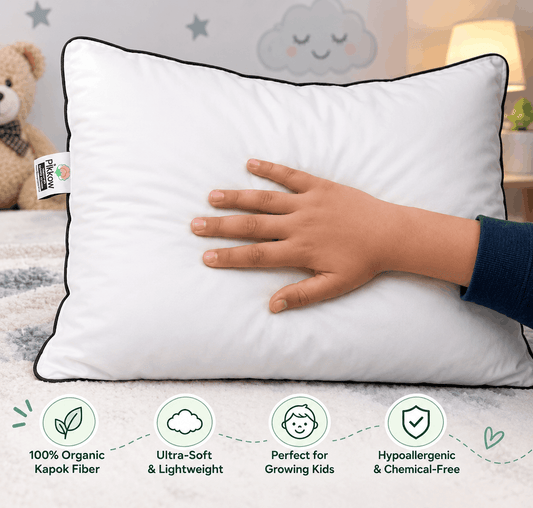
Hypoallergenic
Organic pillows are made from natural materials like organic cotton, wool, or latex, which are less likely to harbor dust mites, mold, and bacteria. This makes them an excellent choice for those with allergies or sensitivities. -
Chemical-Free
Conventional pillows may contain harmful chemicals such as pesticides or flame retardants. Organic pillows are free from these chemicals, ensuring a safer, healthier sleep environment. -
Eco-Friendly
Organic pillows are made from sustainably sourced materials, making them a more eco-friendly option. Choosing organic products helps reduce your environmental impact. -
Durability
Organic pillows tend to be more durable than synthetic options, providing long-lasting comfort and support. The natural materials used in these pillows are resistant to wear and tear, making them a great investment for better sleep.
Conclusion
Knowing when to replace your pillow is key to ensuring a restful and healthy sleep experience. By paying attention to the signs you need a new pillow, you can avoid discomfort, neck pain, and other health issues. Whether it’s due to wear and tear or a decline in support, replacing your pillow every 1 to 2 years is a simple step toward better sleep.
If you’re considering a new pillow, choose one that supports your sleep posture, such as an organic pillow or a memory foam pillow. Don’t let an old pillow affect your health—invest in a quality pillow for a better night’s rest.
FAQs
1. What are organic pillows made of?
Organic pillows are made from natural materials such as organic cotton, wool, or latex. These materials are grown and processed without the use of harmful chemicals, pesticides, or synthetic fertilizers, making them a healthier option compared to conventional pillows.
2. Why should I switch to an organic pillow?
Switching to an organic pillow offers several benefits, including hypoallergenic properties, reduced exposure to chemicals, eco-friendliness, and better durability. Organic pillows can also improve your sleep quality by providing better support and comfort while being free from harmful substances.
3. Are organic pillows better for people with allergies?
Yes, organic pillows are a great option for people with allergies. They are made from natural, chemical-free materials that are less likely to harbor dust mites, mold, or bacteria, which can trigger allergic reactions. Organic pillows help create a healthier and more comfortable sleep environment.
4. How long do organic pillows last?
Organic pillows are typically more durable than synthetic pillows. With proper care, they can last 3 to 5 years or even longer. The natural materials used in organic pillows are resistant to wear and tear, making them a great long-term investment for your health and sleep.
5. Can organic pillows help with neck pain?
Yes, organic pillows can help with neck pain. Many organic pillows are designed to provide better support for your head and neck, promoting proper spinal alignment. Choosing an organic pillow that fits your sleeping position and provides the right amount of firmness can reduce neck pain and improve sleep quality.
Also Read :
Top Health Benefits of Sleeping on a Kapok Pillow
From Farm to Bedroom: Journey of an Organic Pillow
Best Organic Cotton Pillow: What Makes It Truly Safe, Breathable & Worth Buying
What Is the Best Filling for Pillows? Science-Backed Guide to Healthy Sleep
Grandparents Were Right: Why Semal Cotton Pillows Still Win