
Choosing the right pillow is not just about comfort—it directly affects neck support, spine alignment, sleep quality, and long-term health. If you’re wondering what is the best filling for pillows, this guide breaks down pillow filling types using science, ergonomics, and health research—so you can make a confident, healthy choice.
Why Pillow Filling Matters for Health
Your pillow’s filling determines:
- Neck and spine alignment (key for avoiding cervical pain and posture issues)
- Pressure relief (important for headaches and shoulder pain)
- Breathability and temperature control
- Exposure to chemicals or allergens
- Pillow lifespan and sustainability
According to research on proper neck and spine alignment during sleep unsupportive pillow can lead to chronic neck stiffness, headaches, overheating, and long-term spinal discomfort.
Key Factors That Define the Best Pillow Filling
Science suggests a healthy pillow filling should offer:
- Proper firmness to support the natural curve of the neck
- Adaptive support that responds to head movement
- Breathability to prevent heat and moisture buildup
- Hypoallergenic properties
- Chemical-free composition for safer indoor air quality
Common Pillow Filling Types Explained
1. Memory Foam Pillow Filling (Synthetic Option)
Pros
- Strong pressure relief
- Good initial neck support
Cons
- Traps heat and moisture
- Often contains VOCs and chemical additives
- Limited airflow
Many people now search for a memory foam alternative due to heat retention and chemical sensitivity issues.
Health Verdict: Short-term support, but not ideal for long-term healthy sleep—especially for hot sleepers.

2. Polyester & Microfiber Fillings
Pros
- Affordable
- Lightweight
Cons
- Poor spine alignment
- Loses shape quickly
- Not breathable
-
Short pillow lifespan
Health Verdict: Not recommended as the best pillow for health.
3. Cotton Pillow Filling (Natural & Breathable)
Pros
- Chemical-free and biodegradable
- Excellent breathability
- Naturally hypoallergenic
- Ideal for hot sleepers
Cons
- Can become firm over time
- Less contouring than foam
Health Verdict: A healthy pillow filling choice for those preferring firm, traditional support—especially in warm climates.
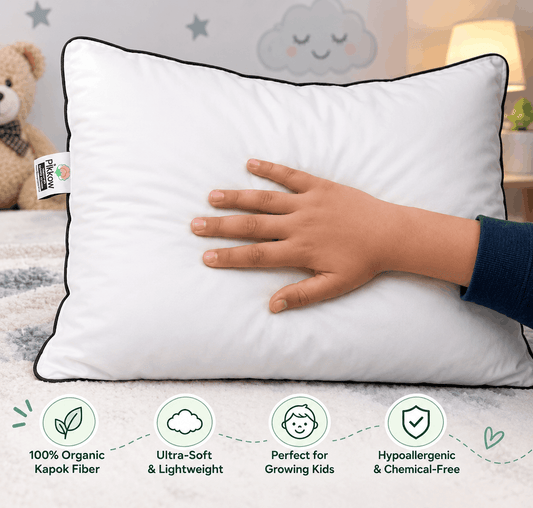
4. Kapok Pillow Filling (Plant-Based & Ergonomic)
Kapok is a silky fiber harvested from seed pods of the kapok tree.
Pros
- Naturally breathable and moisture-resistant
- Softer than cotton, lighter than foam
- Excellent spine alignment support
- Hypoallergenic and chemical-free
- Eco-friendly and sustainable bedding option
Cons
- Slightly higher cost
- Needs occasional fluffing
Health Verdict: One of the best pillow fillings for balanced support, breathability, and natural comfort.
5. Down & Feather Pillows
Pros
- Soft and luxurious feel
- Adjustable loft
Cons
- Allergen risk
- Poor neck support if too soft
- Not vegan or eco-friendly
Health Verdict: Comfortable, but not ideal for cervical pain or long-term spine alignment.
Best Pillow Filling for Neck Support & Spine Alignment
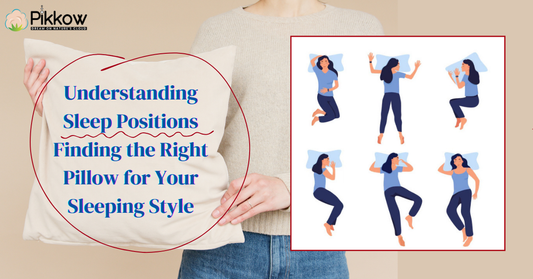
According to ergonomic sleep studies:
- Side sleepers need medium-firm support
- Back sleepers benefit from adaptive, breathable filling
-
Stomach sleepers require soft, low-loft pillows
Best options:
- Kapok pillow filling (adaptive + breathable)
- Cotton pillow filling (firm + stable)
These natural pillow fillings support the neck without forcing it into unnatural positions.
Pillow Filling & Common Health Issues
|
Health Concern |
Recommended Pillow Filling |
|
Neck pain |
Kapok, cotton |
|
Cervical pain |
Kapok |
|
Headaches |
Breathable natural fillings |
|
Allergies |
Hypoallergenic pillow filling (kapok, organic cotton) |
|
Hot sleeping |
Breathable pillow filling |
|
Chemical sensitivity |
Chemical-free pillow |
Pillow Lifespan Comparison
- Memory foam: 2–3 years
- Polyester: 6–12 months
- Cotton: 2–4 years
- Kapok: 3–5 years
Longer lifespan means better value and less waste.
Eco-Friendly & Sustainable Pillow Materials
If sustainability matters to you, natural pillow filling wins:
- Kapok and cotton are renewable and biodegradable
- No petroleum-based foams
- Lower carbon footprint
- Safer for indoor air quality
Final Verdict: What Is the Best Filling for Pillows?
From a science-backed health perspective, the best pillow filling is one that balances:
- Neck and spine support
- Breathability
- Hypoallergenic properties
- Chemical-free safety
- Long-term comfort
Top Choices for Healthy Sleep
- Kapok pillow filling – Best overall for health, support, and sustainability
- Cotton pillow filling – Best firm, natural option
If your goal is the best pillow for health, choosing a natural, breathable, chemical-free pillow filling is the smartest long-term investment in your sleep and well-being.

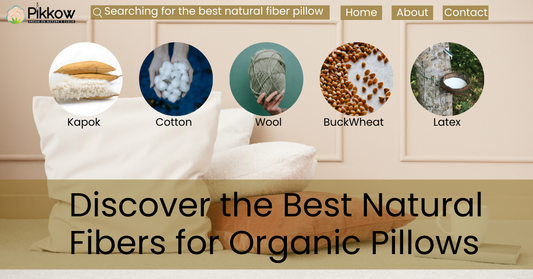
"Infographic comparing Kapok and Cotton as the best natural pillow fillings, highlighting their benefits for spine alignment, health and comfort, chemical-free composition, and eco-friendliness, with a soft beige and green background and pillows in the backdrop."
Pillow Buying Guide Tip
Always match pillow firmness to your sleeping position—and replace pillows before they lose structural support. Healthy sleep starts from the neck up.
FAQ
1: What is the best filling for pillows for healthy sleep?
The best filling for pillows is a natural, breathable material like kapok or cotton. These fillings support proper neck–spine alignment, reduce heat buildup, and are free from harmful chemicals, making them ideal for long-term healthy sleep.
2: Which pillow filling is best for neck and cervical pain?
For neck and cervical pain, kapok pillow filling is considered one of the best options. It adapts to head movement while maintaining firmness, helping keep the spine aligned and reducing pressure on cervical muscles.
3: Is memory foam a safe pillow filling?
Memory foam provides pressure relief but may trap heat and contain chemical additives. People sensitive to heat, odors, or chemicals often prefer a memory foam alternative like natural pillow fillings for safer and more breathable sleep.
4: Which pillow filling is best for hot sleepers?
Hot sleepers should choose a breathable pillow filling such as kapok or cotton. These natural materials allow better airflow and moisture control compared to synthetic fillings, helping maintain a cooler sleep environment.
5: How often should pillows be replaced based on filling type?
Pillow lifespan depends on filling type. Polyester pillows last 6–12 months, memory foam 2–3 years, cotton 2–4 years, while kapok pillows can last up to 5 years with proper care.
Also Read :
Signs It’s Time to Replace Your Pillow (And Why Organic Is Better)
Top Health Benefits of Sleeping on a Kapok Pillow
From Farm to Bedroom: Journey of an Organic Pillow
Best Organic Cotton Pillow: What Makes It Truly Safe, Breathable & Worth Buying